Military-grade ground-penetrating radar surveys at Turkey’s Durupınar Formation have uncovered angular subsurface reflections, a reported 13-foot central corridor, layered zones suggestive of three decks, and voids up to six meters deep. Soil tests from 22 locations show elevated organic matter and roughly double the potassium levels of surrounding soils, and pottery dated to 5,000–7,000 years was found nearby. Geologists remain skeptical, and planned core drilling by Turkish authorities may provide definitive evidence.
Ground-Penetrating Radar Reveals Ark-Like Subsurface Features at Turkey’s Durupınar Site
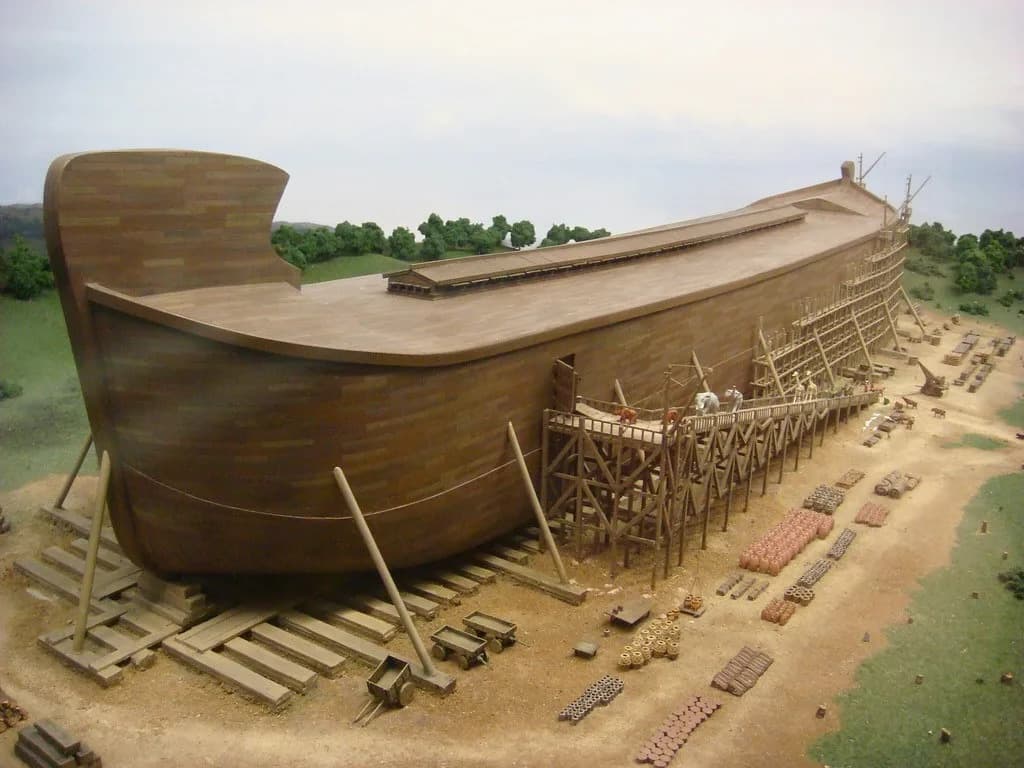
Image: Adam Lederer | Flickr
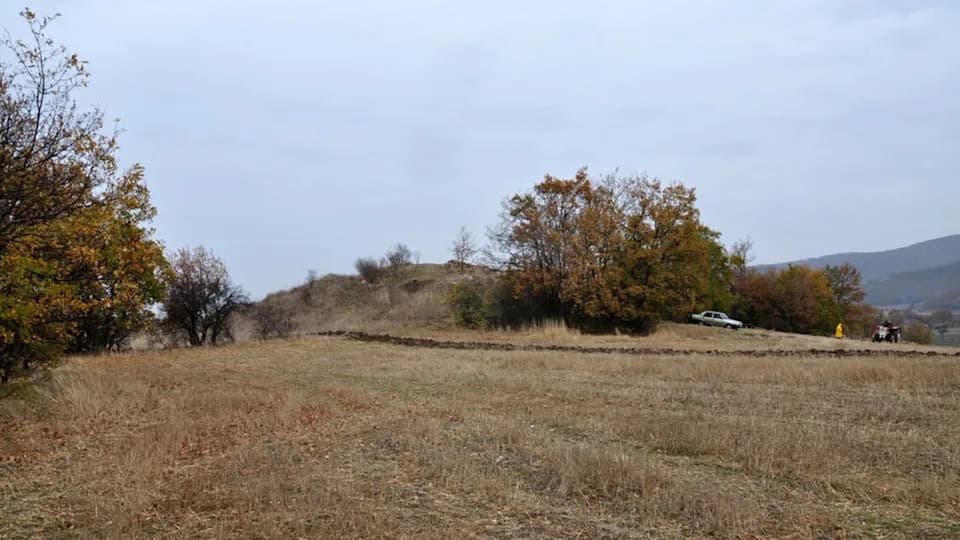
Military-grade ground-penetrating radar (GPR) surveys at Turkey’s Durupınar Formation — a boat-shaped geological outline long connected with Noah’s Ark legends — have revealed interior features that some researchers describe as angular, chamber-like and consistent with man-made structures. The team reports a 13-foot central corridor, layered zones that could correspond to three decks, and internal voids reaching up to six meters.
What the Team Found
Noah’s Ark Scans, working with Turkish university partners, used high-resolution GPR to map subsurface geometry. Investigators say the scans returned sharp-angled reflections and organized patterns where geologists had expected continuous rock. The group compares the method to an "underground X-ray," with electromagnetic pulses mapping contrasts below the surface.
Laboratory tests on soil taken from 22 discrete sampling points inside the formation show elevated organic matter and higher potassium concentrations — roughly double the background levels reported by the team — along with systematic pH variations across interior zones. Surface vegetation above the formation also appears altered in patches, which the researchers link to long-term subsurface chemical effects.
"If this was a wooden vessel, we would expect increased potassium levels and higher organic content—and that’s exactly what we find," said soil scientist William Crabtree, summarizing the chemical evidence the team believes is consistent with decomposed timber.
Archaeological Context
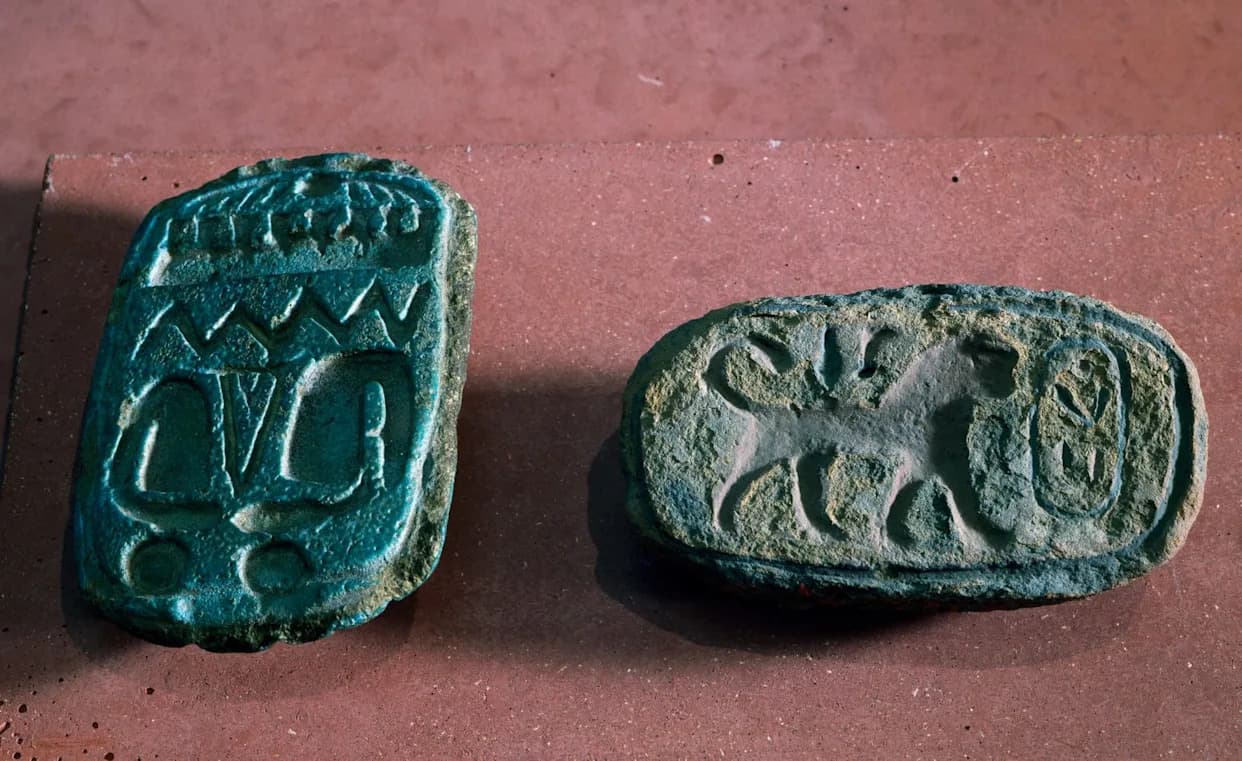
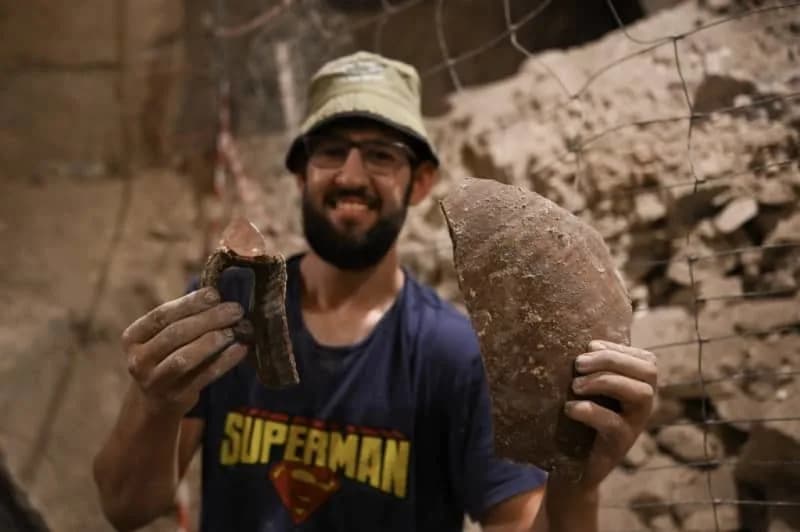
Nearby construction work reportedly uncovered pottery shards dated to roughly 5,000–7,000 years ago (Chalcolithic period). Dr. Faruk Kaya of Ağrı İbrahim Çeçen University describes the ceramics as indicators of early human activity in the area, which proponents say fits some chronologies for the biblical Flood narratives.
Scientific Caveats and Skepticism
Not all experts accept an archaeological interpretation. Geologists such as Lorence Collins have argued that the Durupınar feature is a natural limonite formation produced by mudflow and erosion. Earlier excavations in the 1960s reportedly found only soil and rock. Critics also note that the feature sits in a valley — a detail some say conflicts with Genesis 8:4, which mentions the "mountains of Ararat."
Independent specialists caution that GPR data and elevated organics are not conclusive proof of a wooden hull. Similar radar signatures can arise from fractures, sedimentary layering, voids, or anthropogenic debris, and elevated potassium or organics can derive from multiple natural and human-caused sources. Pottery near a site likewise does not automatically date or identify a subsurface structure.
Next Steps
Turkish authorities have approved core drilling at the formation. Proponents say cores could provide decisive physical evidence — such as preserved organics or construction materials — while skeptics expect results that will clarify whether the anomaly is geological or archaeological. Either outcome would advance understanding of the site.
Bottom line: New GPR and soil analyses have produced results that some interpret as consistent with a buried wooden structure, but important scientific caveats remain. Core drilling and peer-reviewed analysis will be necessary to move from intriguing anomaly to confirmed explanation.
Help us improve.