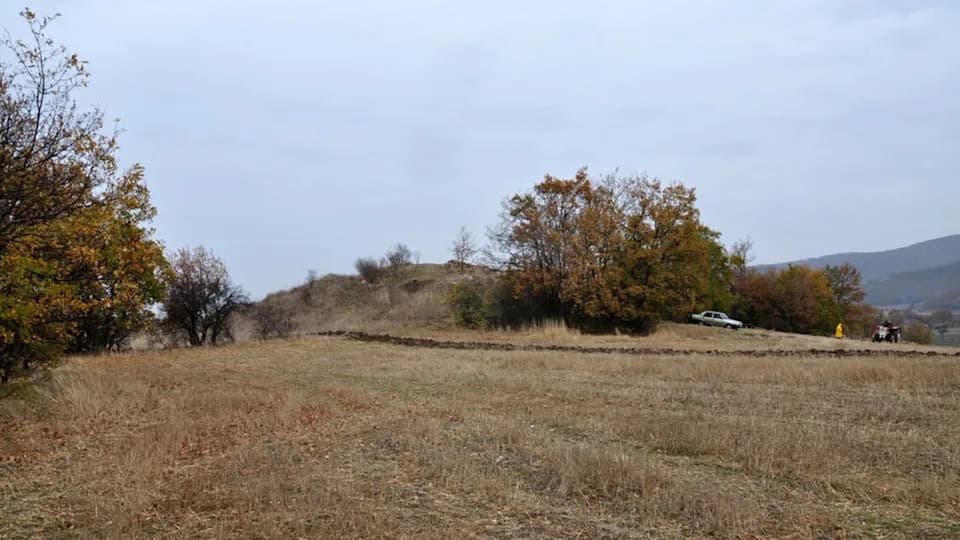
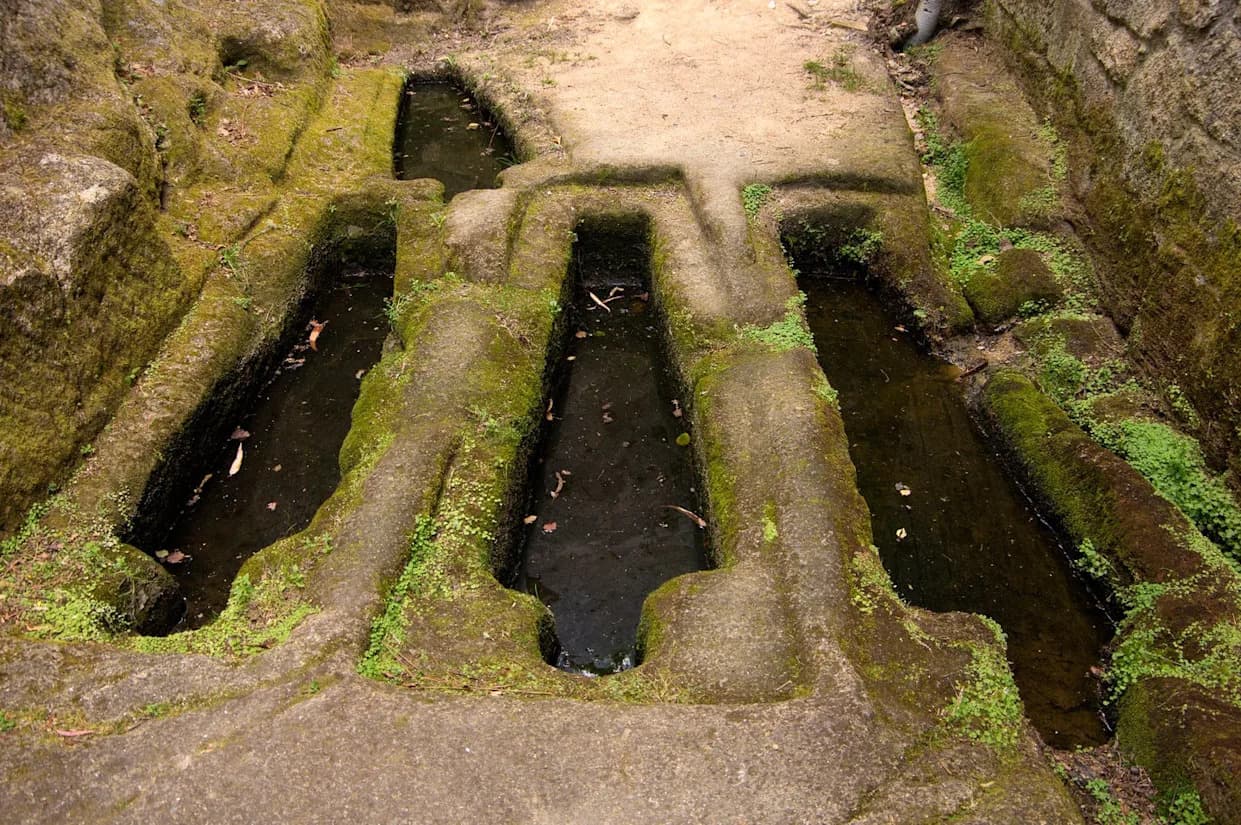
A small stone seal dating to roughly 7,500 years ago was found at Tadım Fortress in eastern Türkiye, offering new evidence of advanced Neolithic social and economic organization. Researchers suggest the seal could have marked ownership, identified individuals, or played a role in agricultural trade, and it complements another local seal linked to grain commerce. Excavations at Tadım also uncovered a 6,000-year-old temple with an altar and evidence of ritual sacrifice, idol figurines, and sacred hearths. Artifacts are being conserved at the Elazığ Archaeology and Ethnography Museum as fieldwork continues.
7,500-Year-Old Stone Seal Unearthed at Tadım Fortress Suggests Complex Neolithic Society
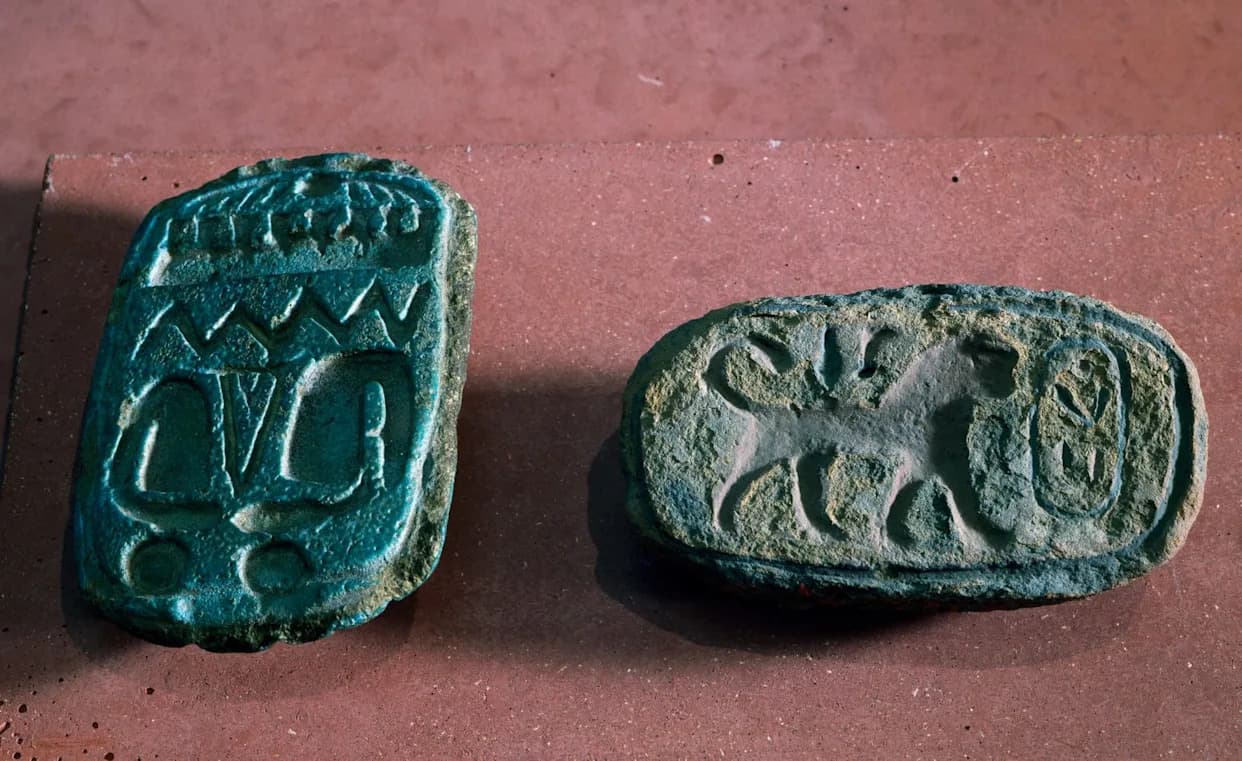
Archaeologists Found a Seal From a Lost SocietyDEA / G. DAGLI ORTI - Getty Images
Archaeologists excavating at Tadım Fortress in the Elazığ region of eastern Türkiye (Turkey) have uncovered a small stone seal dated to roughly 7,500 years ago. Though modest in size, the object offers powerful new evidence that Neolithic communities in the region practiced surprisingly advanced social, economic and administrative behaviors long before the rise of later states.
Discovery and Context
The seal was recovered during systematic excavations overseen by the Elazığ Museum and the Provincial Directorate of Culture and Tourism, with support from the Turkish Ministry of Culture and Tourism and the Elazığ Governorship. Layers at Tadım Fortress contain material spanning many eras — Byzantine, Roman, Seljuk and Ottoman — but this particular find comes from much earlier Neolithic levels that predate the kingdom of Urartu by millennia.
What the Seal Might Reveal
Archaeologists have not reached a definitive conclusion about the seal’s exact purpose. Current interpretations include:
- markers of ownership or property;
- personal identifiers for individuals or households; and
- tools used in agricultural commerce, such as tracking or certifying grain transactions.
Whatever its function, the seal is notable for suggesting formalized record-keeping or identity marking — characteristics of organized societies rather than loosely structured hunter-gatherer groups.
Related Finds and Ritual Life
Tadım has yielded other important discoveries that help build a broader picture of life in the region. Excavators recently revealed a temple dated to the Late Chalcolithic and Early Bronze Age (about 6,000 years ago). The temple includes a stone altar fitted with a ritual blood channel; cut marks on the altar and the presence of animal and human remains point to ritual practices that likely included blood offerings.
Nearby finds include tools and additional seal stamps tied to agricultural trade, idol figurines placed on four small podiums, and hearths associated with sacred fire. Earlier work at the site uncovered distinctive double‑headed hearths carved with animal imagery and a jug interpreted as a vessel for sacrificial blood or wine. These elements together indicate a society in which religious ritual and economic activity were closely connected.
“The findings show that the region was not only inhabited since the earliest times, but also developed sophisticated social, economic, and cultural practices that influenced later civilizations,” Governor Numan Hatipoğlu told Türkiye Today.
Conservation and Future Work
The seal and related artifacts are currently undergoing conservation and analysis at the Elazığ Archaeology and Ethnography Museum. Excavations at Tadım are ongoing: as archaeologists dig deeper into earlier strata, they expect to recover additional objects that have remained buried and unseen for thousands of years.
Why this matters: Small administrative objects such as seals can provide direct evidence of economic networks, property systems and identity practices — elements of social complexity that complement what we learn from larger monuments and architecture. The Tadım finds help push back timelines for when such institutions began to emerge in eastern Anatolia.
Help us improve.