Archaeologists have found a partial fingerprint impressed into pine‑pitch caulking on the Hjortspring boat, Scandinavia’s oldest plank vessel. Scientific analyses—including carbon dating, X‑ray tomography, 3D fingerprint modelling, and chemical characterization—confirm a pre‑Roman Iron Age date and suggest the craft was made using materials from pine‑rich Baltic coasts east of Rügen and Scania. The research team hopes to recover ancient DNA from the tar to learn more about the people who handled the boat. The findings refine our understanding of early shipbuilding and hint that raiders crossed far greater distances by sea than previously thought.
Ancient Fingerprint on Hjortspring Boat Could Unravel 2,000‑Year‑Old Raid Mystery

One Fingerprint May Help Solve an Ancient MysterySmitt - Getty Images
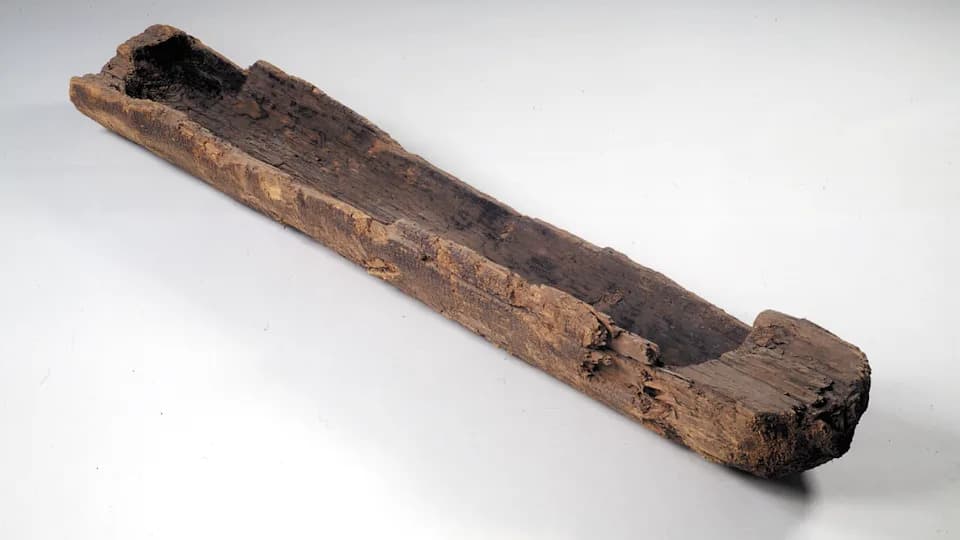
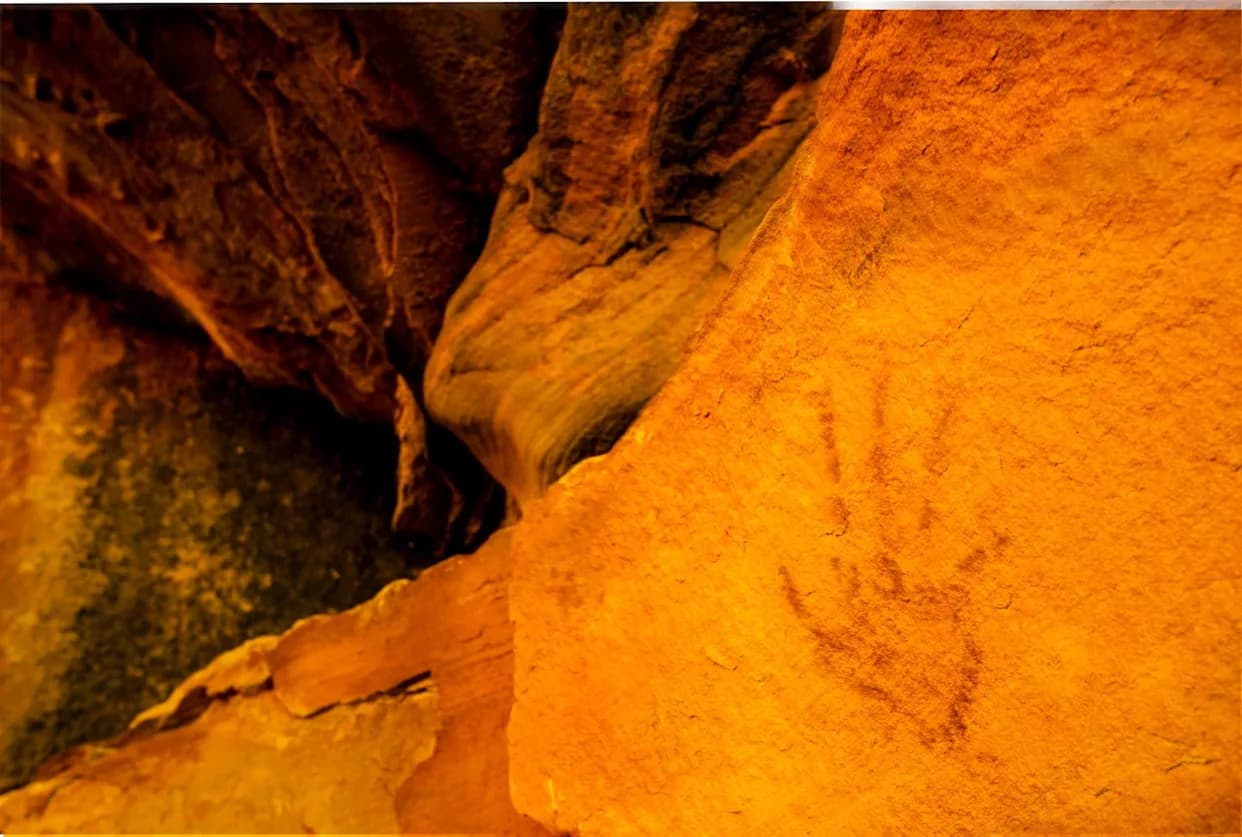
Researchers have identified a partial human fingerprint impressed into the pine‑pitch caulking of the Hjortspring boat, the oldest known plank vessel recovered in Scandinavia. This small but direct human trace could help researchers better understand a seaborne raid on the Danish island of Als more than 2,000 years ago.
A Rare Link to Ancient Seafarers
The Hjortspring boat was discovered in the 1880s and excavated in the 1920s; it remains the only prehistoric plank boat found in Scandinavia. Archaeologists believe the vessel played a role in a fourth‑century B.C.E. attack on Als, when an armada of up to four boats assaulted the island. Islanders defended themselves and sank one of the attacking vessels in a bog—possibly as a votive offering after their victory.
“Where these sea raiders might have come from, and why they attacked the island of Als has long been a mystery,” said Mikael Fauvelle, an archaeologist at Lund University.
What the Fingerprint and Materials Reveal
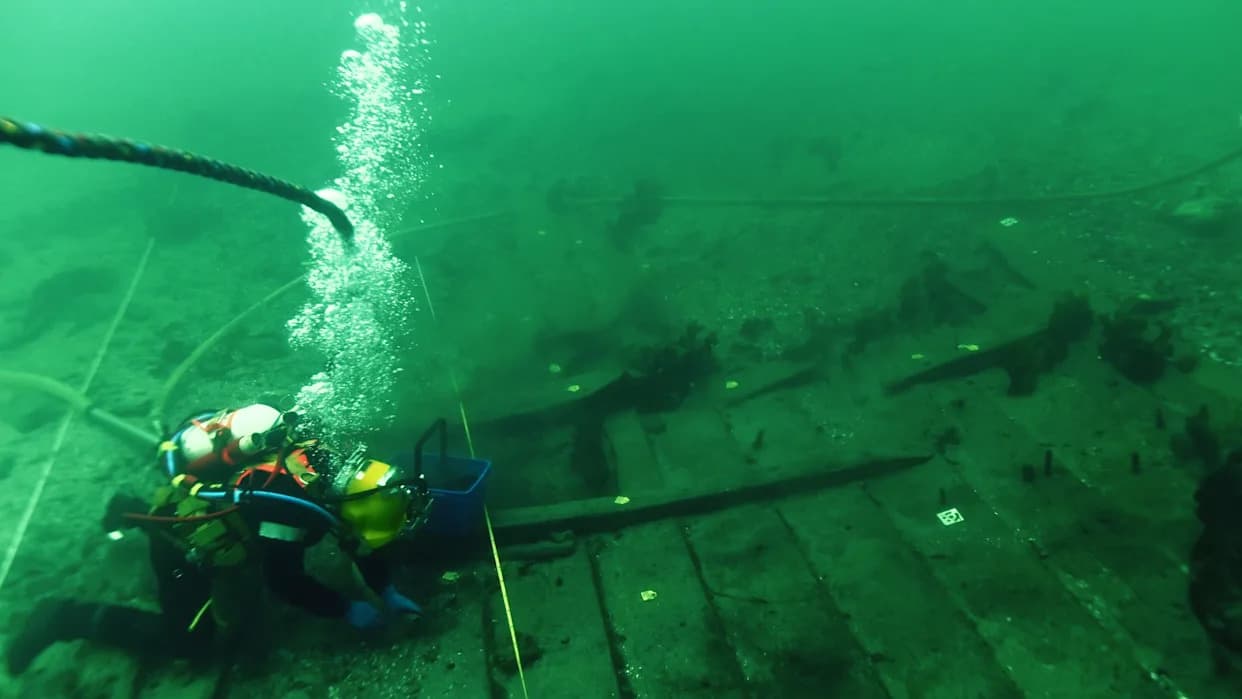
The Lund University team examined fragments of the hull that had not been chemically preserved while the boat’s main structure is on display at the National Museum of Denmark. They found a partial fingerprint pressed into pine‑pitch caulking—evidence that the boat was waterproofed with pine resin. Because pine pitch is typical of pine‑rich regions, this chemical signature shifts the likely origin of the attackers away from earlier suggestions near modern‑day Hamburg and toward coastal areas of the Baltic Sea east of Rügen and Scania.
Analytical Methods and Next Steps
The research combined multiple modern techniques:
- Carbon dating of lime‑bast cordage, confirming a pre‑Roman Iron Age date.
- X‑ray tomography to produce high‑resolution scans of preserved fragments.
- 3D modelling of the partial fingerprint to document its detail and shape.
- Chromatography and mass spectrometry to characterize the chemical composition and production of the caulking tar.
The team also plans to attempt recovery of ancient DNA from the tar, which—if successful and uncontaminated—could provide biological clues about people who handled or used the boat. Researchers caution, however, that DNA recovery from tar is challenging and contamination can complicate results.
Why This Matters
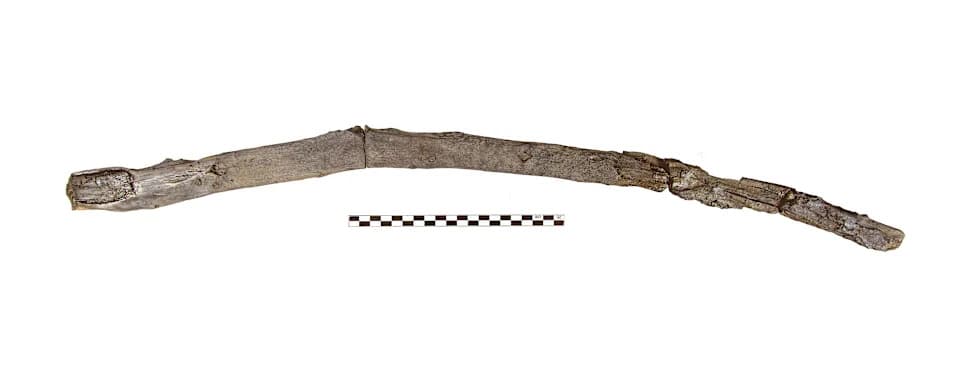
Beyond the tantalizing human link provided by the partial fingerprint, analysis of cordage fragments and cordage imprints in the caulking clarified sewing and rope‑making techniques used in the construction. Together, these results illuminate materials and methods behind Scandinavia’s earliest plank boats and raise new questions about long‑distance seafaring and raiding networks across Northern Europe in the Iron Age.
Help us improve.