
Saudi Arabia has publicly accused the UAE of undermining its national security, exposing a widening rift between two Gulf powers. Riyadh’s concerns center on Emirati actions in Yemen — where Saudi strikes hit a UAE-linked shipment after the UAE-backed STC seized territory — and in Sudan, the Horn of Africa and Syria. The dispute underscores diverging regional strategies: Saudi efforts to secure its borders and preserve regional primacy versus the UAE’s more independent, globally oriented posture. Analysts see limited risk of full-scale war but warn of economic, diplomatic and energy-market fallout.
Saudi-UAE Rift Exposes Deeper Regional Power Struggle — Riyadh Strikes UAE-Linked Target in Yemen

Supporters of the UAE-backed separatist Southern Transitional Council (STC) wave UAE and STC flags during a rally in Aden, Yemen, on Tuesday. - Fawaz Salman/Reuters
Saudi Arabia has publicly accused the United Arab Emirates of actions that undermine its national security, an unusually blunt rebuke between two Gulf partners. The dispute — sharpened by recent Saudi strikes on a UAE-linked shipment in Yemen — reveals a widening rift over influence in Yemen, Sudan, the Horn of Africa and beyond.
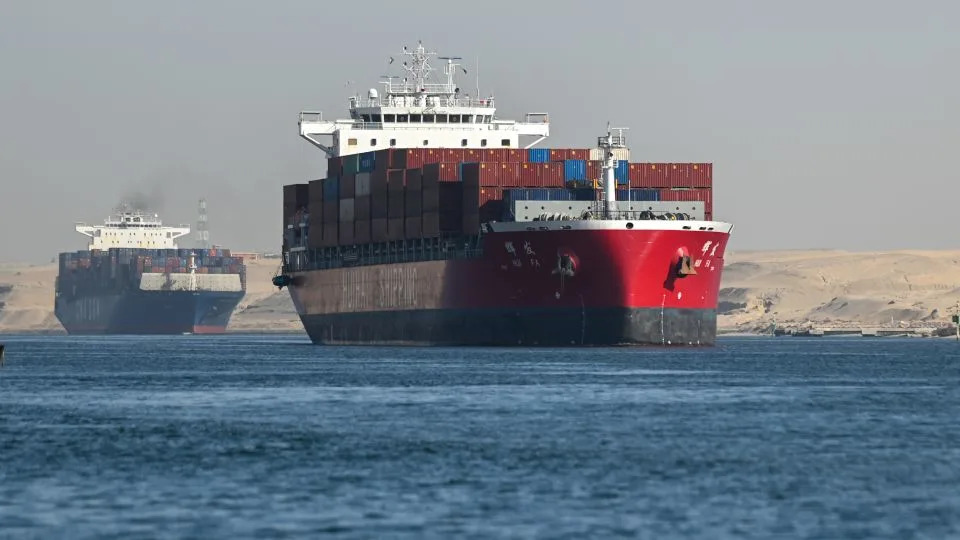
A ship transits the Suez Canal towards the Red Sea on January 10, 2024 in Ismailia, Egypt. - Sayed Hassan/Getty Images
Why This Matters
The disagreement goes beyond bilateral tensions. Saudi Arabia and the UAE are two of the world’s largest oil exporters and sit close to critical maritime chokepoints, including the Strait of Hormuz and the Bab al-Mandab. Any sustained deterioration in their relationship could ripple through energy markets, regional security arrangements and global investment flows.
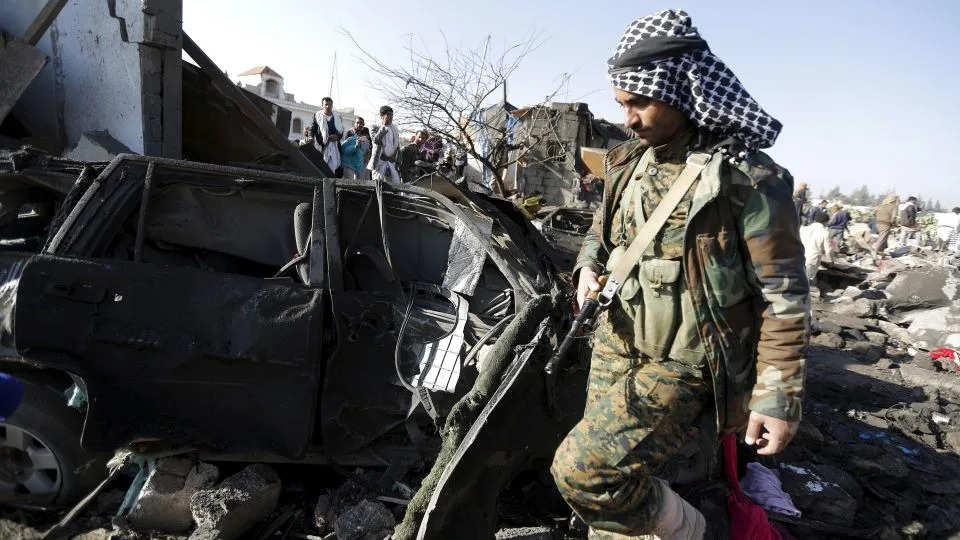
A Houthi fighter walks at the site of an air strike at a residential area near Sanaa Airport on March 26, 2015. - Khaled Abdullah Ali Al Mahdi/Reuters
Flashpoint: Yemen And The STC
Riyadh is particularly alarmed by Emirati activity in southern Yemen, where the UAE-backed Southern Transitional Council (STC) seized large swathes of territory in early December and expelled forces aligned with the Saudi-backed Yemeni government. Saudi officials say the UAE mobilized separatist forces on provinces that border the kingdom — a charge the UAE has not fully addressed in public statements.
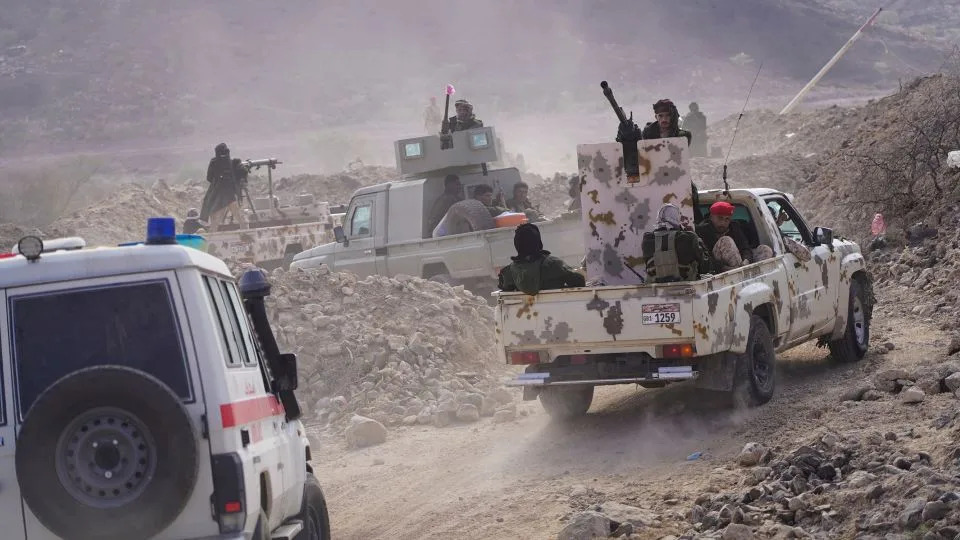
Forces of Yemen's main separatist group, the Southern Transitional Council, arrive in a mountainous area where they are launching a military operation in the southern province of Abyan, Yemen, on December 15. - Stringer/Reuters
Saudi airstrikes targeted a UAE-linked shipment in Yemen as Riyadh signaled zero tolerance for instability along its southern border. The UAE pledged to withdraw some forces, and the STC, after initial advances and pressure toward secession, agreed to enter talks with Saudi Arabia following military setbacks.
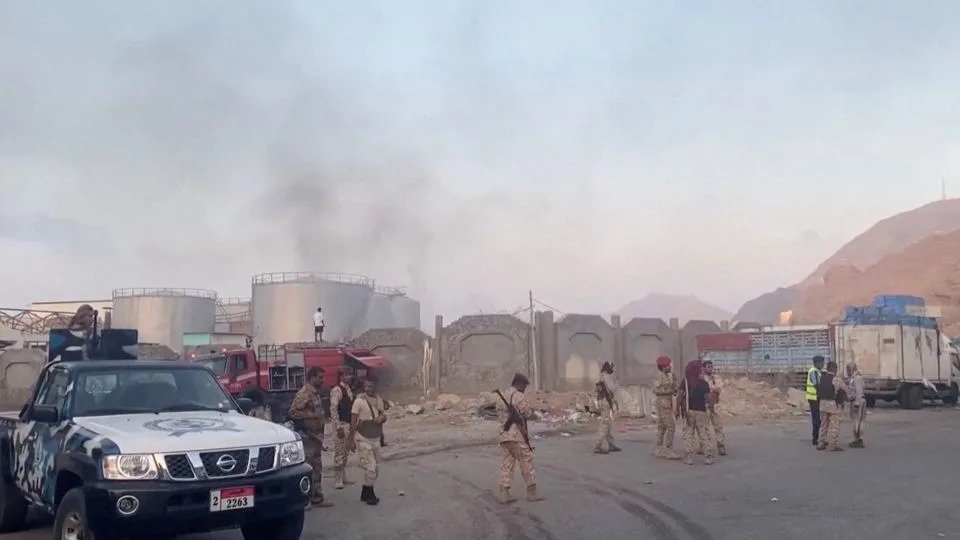
Smoke rises in the aftermath of a Saudi-led coalition airstrike, which targeted what it described as foreign military support to UAE-backed southern separatists, in Yemen's southern port of Mukalla, in this screengrab from a handout video obtained by Reuters on December 30. - SABAA TV/Handout/Reuters
Wider Regions: Sudan, The Horn Of Africa And Syria
Riyadh’s concerns also extend to the Horn of Africa and Sudan — both across the Red Sea from Saudi Arabia — where Abu Dhabi has cultivated military and commercial ties. Saudi officials have expressed worry that instability or state collapse in those countries could have direct security consequences for the kingdom.

A woman looks on from Creek Harbour at the Dubai skyline with Burj Khalifa, the world's largest building (C) on February 5. - Fadel Senna/AFP/Getty Images
Saudi sources further allege Abu Dhabi fostered links with elements of the Druze community in Syria, a claim the UAE has not publicly substantiated; Abu Dhabi has not endorsed Syrian Druze autonomy or secession.
Historical Context And Diverging Priorities
A decade ago, Riyadh and Abu Dhabi were aligned on confronting Islamist militancy, countering Iran’s influence and resisting Arab Spring–era upheavals. Joint initiatives included military intervention in Yemen and the blockade of Qatar. Since then, as regional threats have evolved, the two capitals’ priorities have diverged and they have backed opposing sides in several conflicts.
"How does an action undertaken to defend shared security come to be reframed as a liability?" — Ali Al Nuaimi, commentary on Abu Dhabi’s role in Yemen.
Strategic Stakes
Both states are major economic powers in the Arab world and important partners of the United States. Their financial resources and access to advanced military technology raise the stakes for any extended confrontation, though most analysts judge a full-scale military showdown unlikely. Instead, competition is expected to surface in economic measures, diplomatic influence and efforts to court U.S. support.
Recent Developments And Possible Outcomes
Saudi Arabia has kept further strikes on the table if separatist forces do not withdraw. Analysts say Riyadh’s focus on economic transformation under Crown Prince Mohammed bin Salman may limit appetite for prolonged escalation. Still, both countries retain levers — from investment to diplomatic influence — that could shape the dispute’s trajectory.
"We are an influential country in the region... we have a regional view on what we want to see in countries around us." — Anwar Gargash, diplomatic adviser to the UAE president, on Abu Dhabi’s regional role.
Conclusion
The Saudi-UAE rift reflects a broader recalibration of regional power: Riyadh asserting a dominant security posture near its borders, and Abu Dhabi pursuing a more independent, globally engaged foreign policy. While immediate large-scale escalation appears unlikely, the disagreement could reshape alliances, influence regional conflicts and create volatility in energy and investment markets.
Help us improve.


