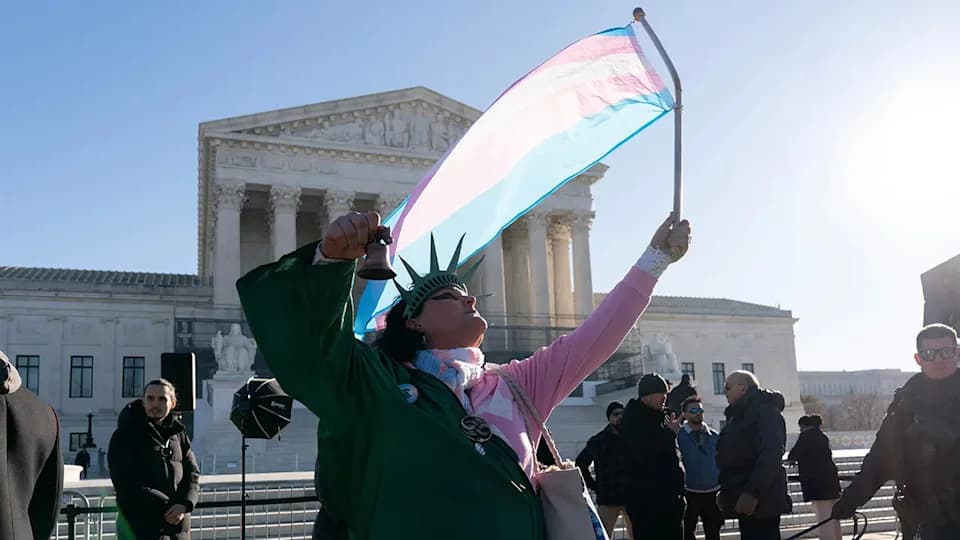
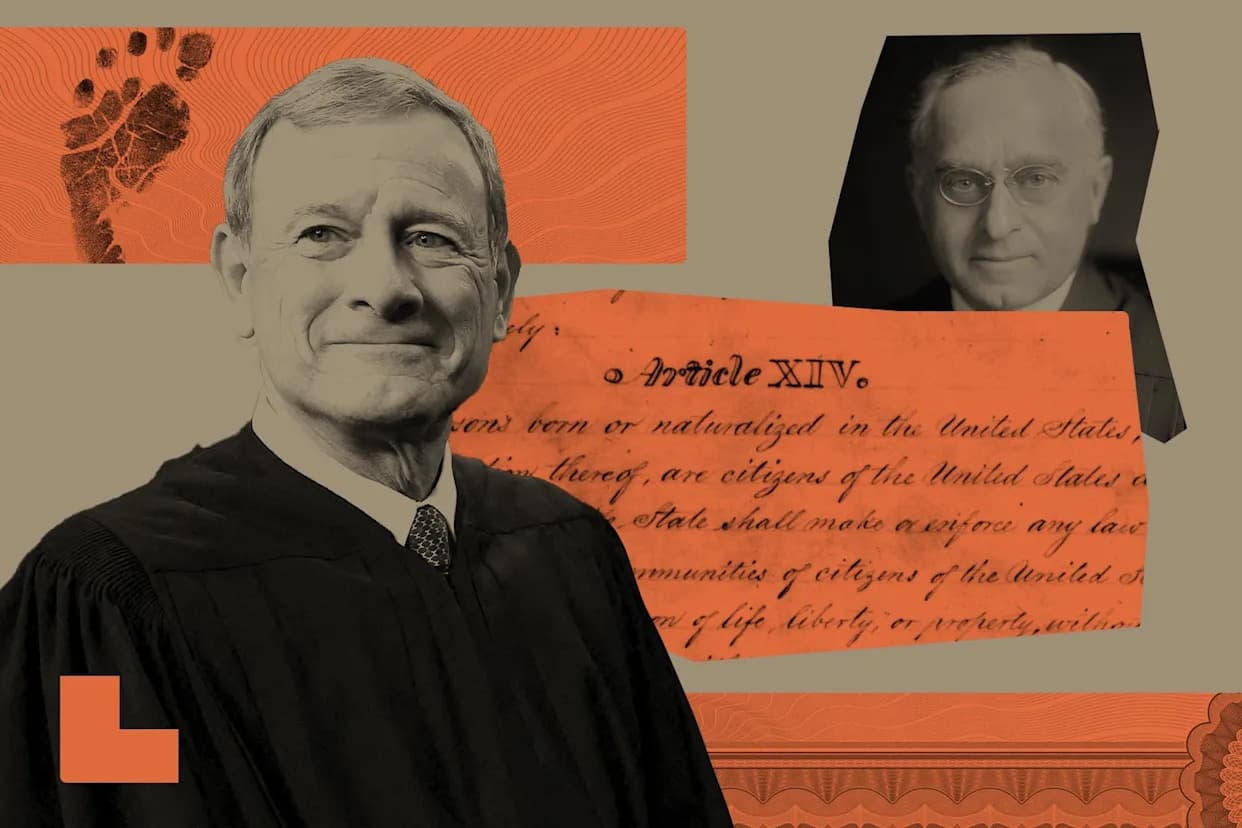
The Supreme Court heard challenges to state bans that bar transgender girls and women from girls' and women's school sports teams. Attention centered on Justice Neil Gorsuch because his 2020 Bostock opinion extended employment-discrimination protections to transgender people. During oral argument in Little v. Hecox, Gorsuch asked whether "transgender status" could be treated as a discrete, insular class deserving heightened judicial scrutiny. If the Court applies heightened or strict scrutiny, many state bans could face a steep constitutional test. Gorsuch's questions were probing but do not yet indicate how he will vote.
Eyes on Gorsuch as SCOTUS Considers Bans on Transgender Student Athletes
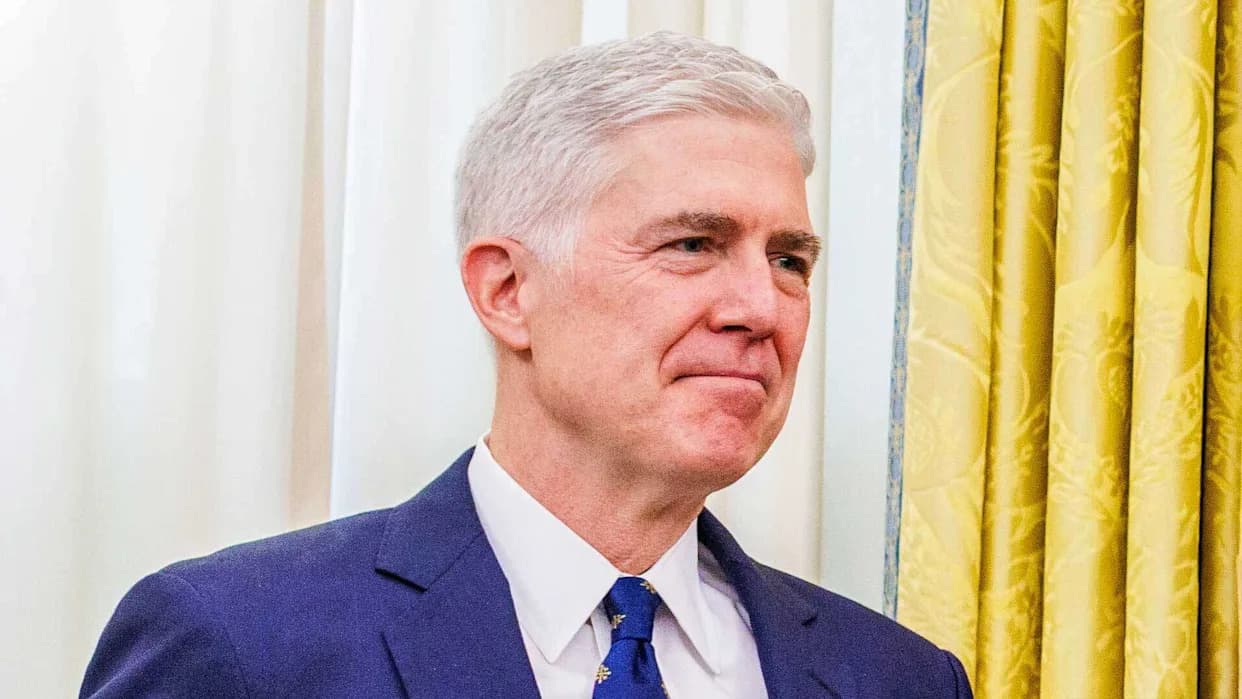
Eyes on Gorsuch as SCOTUS Weighs Transgender Student Athlete Bans
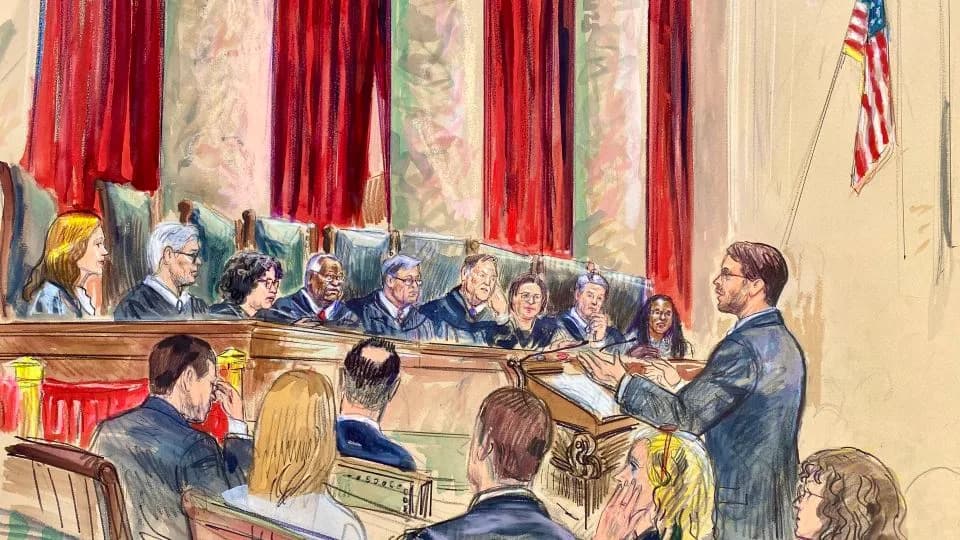
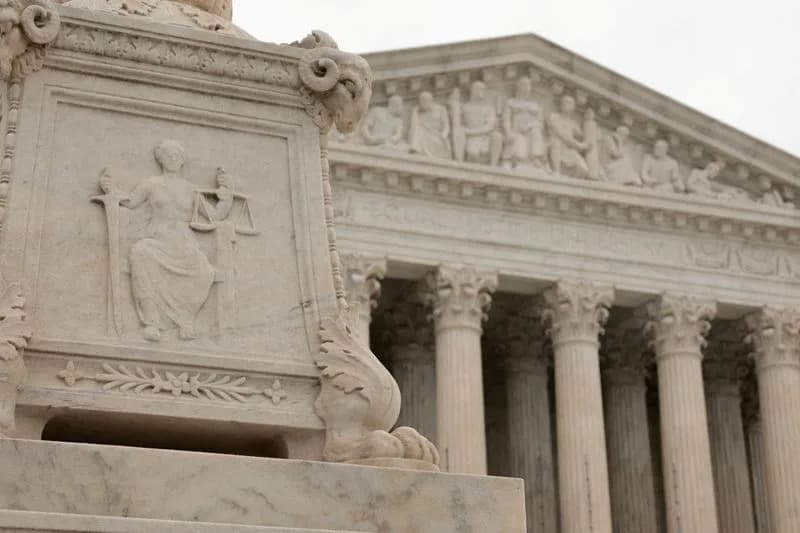
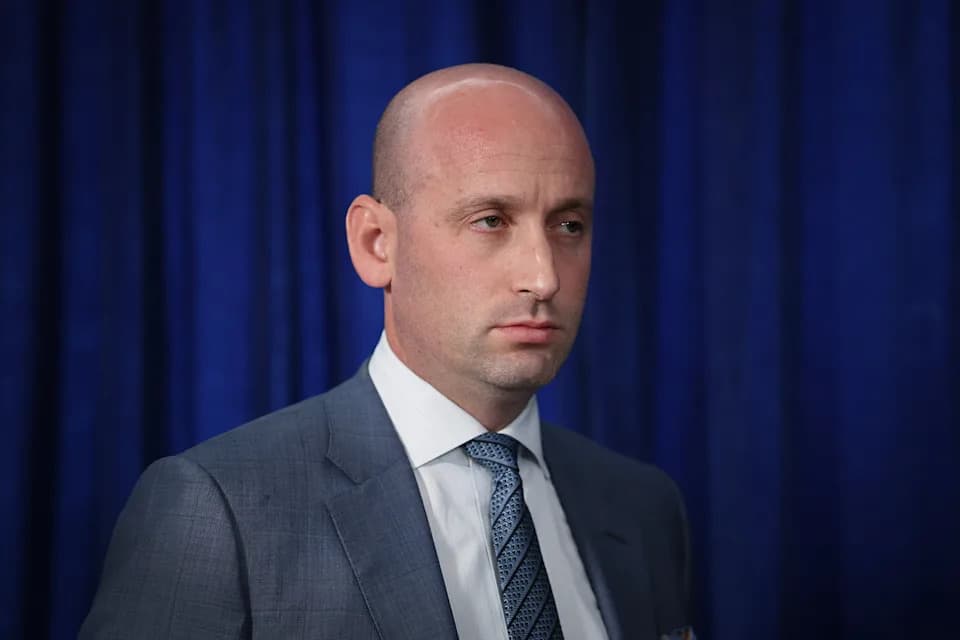
The U.S. Supreme Court this week heard oral arguments in a pair of cases that ask whether states may bar transgender girls and women from participating on girls' and women's school sports teams. Much of the attention focused on Justice Neil Gorsuch because of his influential 2020 opinion in Bostock v. Clayton County.
In Bostock, Gorsuch held that terminating an employee for being gay or transgender violates Title VII of the Civil Rights Act of 1964, which prohibits employment discrimination "because of...sex." Gorsuch's opinion emphasized that employers who fire someone for being gay or transgender are making a decision based on sex in a way Title VII forbids.
"An employer who fires an individual for being homosexual or transgender fires that person for traits or actions it would not have questioned in members of a different sex." — Justice Neil Gorsuch, Bostock v. Clayton County
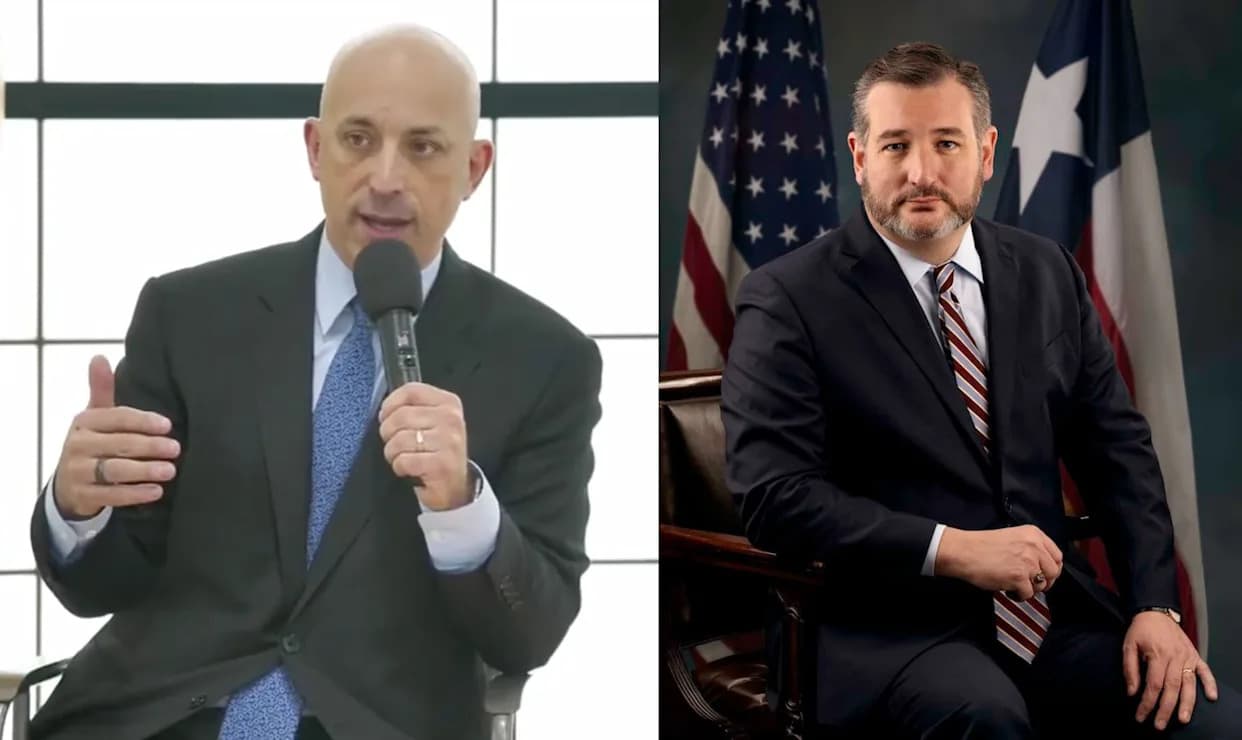
Given that background, observers wondered whether Gorsuch might be sympathetic to arguments by transgender student athletes challenging state restrictions. During oral argument in Little v. Hecox, Gorsuch pressed Idaho Solicitor General Alan Hurst on whether the state's law should face a more rigorous form of judicial review.
"There's another way to think about this case that your friends on the other side posit," Gorsuch said. "And that is that transgender status should be conceived of as a discrete and insular class subject to scrutiny, heightened scrutiny, in and of itself given the history of de jure discrimination against transgender individuals in this country over history."
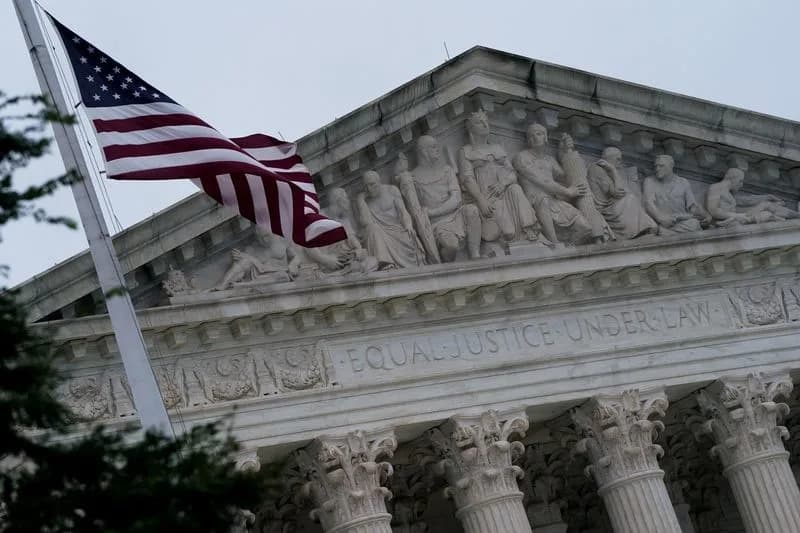
That line of questioning matters because it bears directly on the Equal Protection Clause of the Fourteenth Amendment. If a court treats "transgender status" as a suspect classification, laws that discriminate on that basis would face strict scrutiny, the most demanding standard; the government would then have to show the law is narrowly tailored to serve a compelling interest. If the Court deems the classification quasi-suspect, it would apply intermediate (heightened) scrutiny, an elevated—though somewhat less exacting—review.
Gorsuch's probing suggests he is at least open to considering heightened protection for transgender people under the Equal Protection Clause, but questions during argument do not reveal how any justice will ultimately vote. The state's counsel may have been unsettled by the prospect that the Court could apply a more exacting standard of review to these laws.
Separately, the Court released three opinions in other argued cases the same day, but it did not decide the closely watched Learning Resources v. Trump tariff dispute. That case carries time-sensitive practical implications—such as how and when tariff rebates would be paid—so observers are watching for a possible earlier-than-usual ruling. Ultimately, only the justices control the timing of opinions, and no date has been announced.
In short, Justice Gorsuch's comments during argument made it plausible he could join a majority skeptical of state bans on transgender students in school sports, but his final vote remains uncertain.
Help us improve.