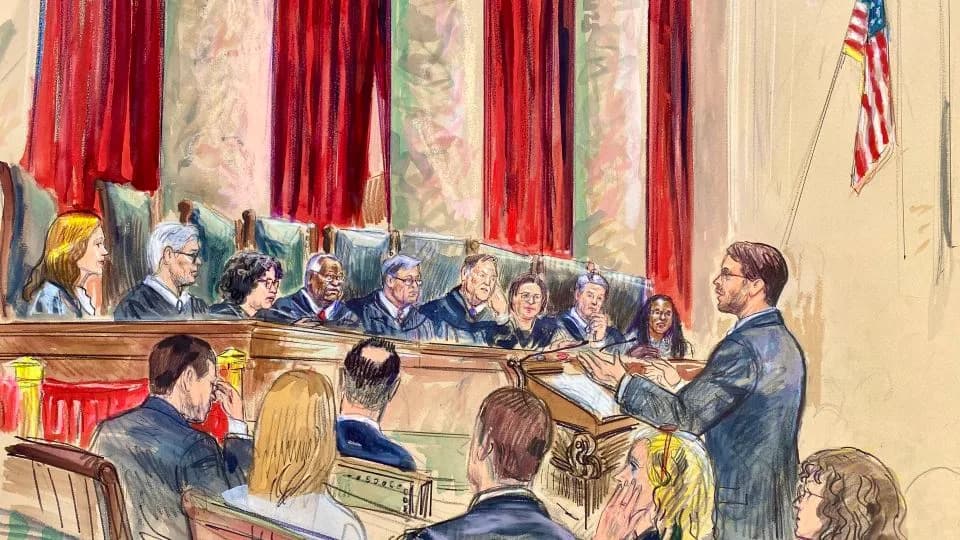
The Supreme Court heard two landmark cases challenging state bans on transgender girls and women competing in female sports teams, focusing on Idaho and West Virginia laws. Justices examined how to define “sex” under Title IX, whether athletics are uniquely affected by sex differences, and whether the cases should be decided now or remanded for more facts. The arguments revealed deep legal and scientific disputes, concerns about the national reach of any ruling, and strong attention to fairness in often zero‑sum school sports.
Five Takeaways From the Supreme Court’s Clash Over Transgender Athletes
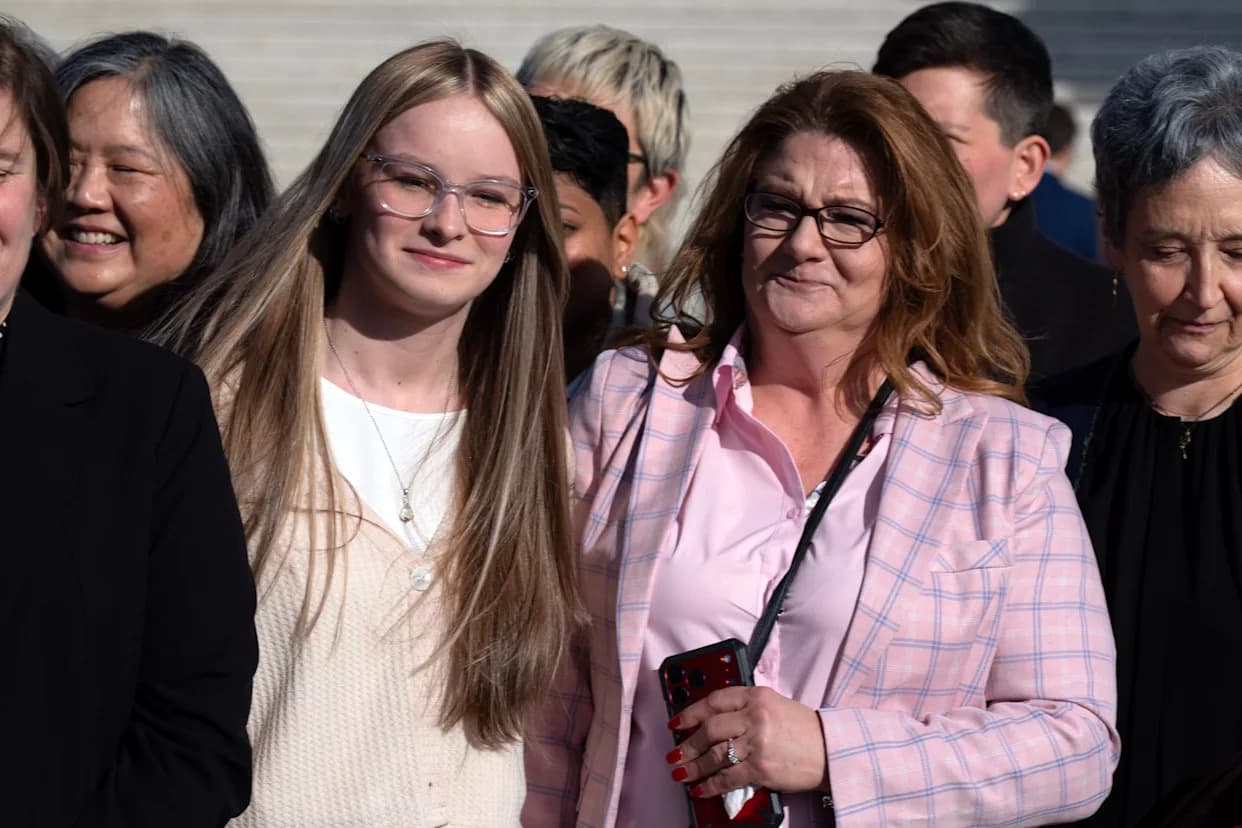
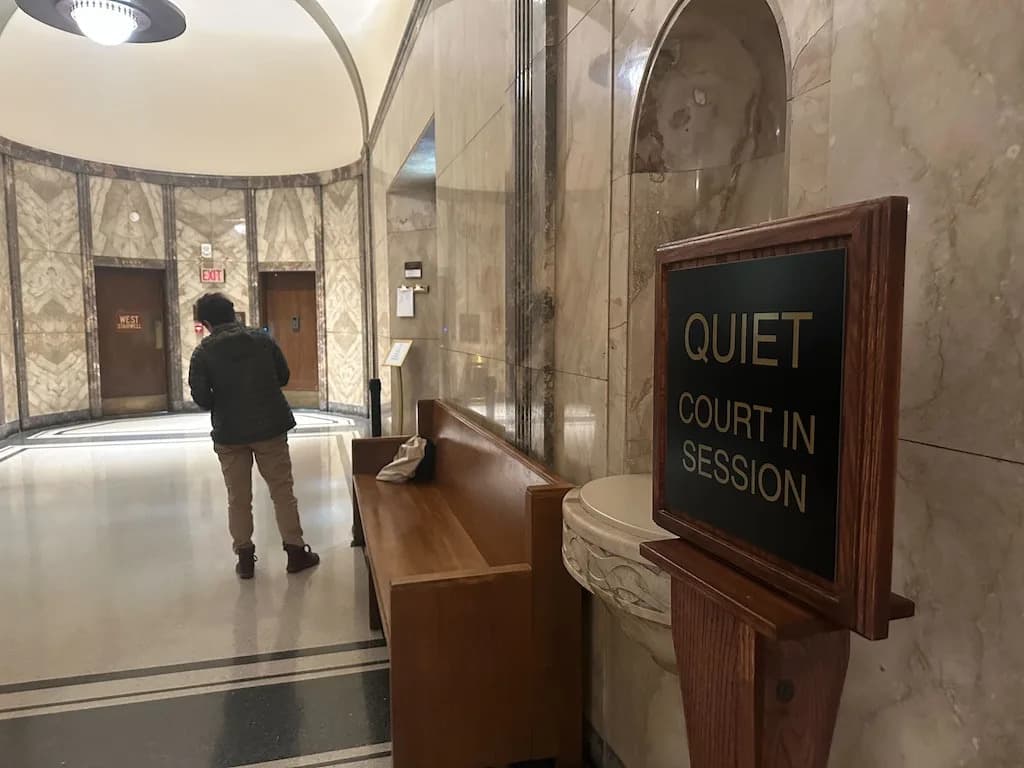
The Supreme Court on Tuesday heard, for the first time, high-profile challenges over whether transgender women and girls may compete on female sports teams. The cases — Little v. Hecox (Idaho) and West Virginia v. B.P.J. (West Virginia) — probe state bans that bar athletes who were assigned male at birth from participating on teams that align with their gender identity. The arguments exposed deep legal, scientific and procedural disputes and highlighted the tensions between state laws, federal civil-rights protections and athletic fairness.
Background
Until now, participation by transgender athletes has typically been governed by state athletic associations and local school policies. The current litigation comes as the Trump administration has adopted positions asserting a binary view of sex and seeking to rescind federal protections for transgender people under Title IX and other rules. The Education Department has also threatened to withhold funding from states that adopt transgender‑inclusive sports policies.
What the Justices Focused On
During oral argument, justices examined several core questions: how to define “sex” under Title IX, whether the court should resolve the cases now or remand them for further factual development, and how a broad ruling might affect divergent state policies across the country. The court’s conservative majority signaled some openness to allowing state bans to proceed, but several justices also expressed concern about preserving the authority of other states and school systems that permit transgender students to play on teams that match their gender identity.
Blue‑State Policies And Federal Scope
Multiple justices sought assurances that upholding the Idaho and West Virginia bans would not automatically invalidate inclusive policies in other states. That line of questioning grew more complicated because the Department of Justice, representing the federal position, argued that some inclusive state policies could conflict with Title IX — a federal statute that guarantees gender equity in education. A number of justices pushed counsel to explain how a ruling could be limited so as not to sweep away those state rules.
Defining “Sex” And Fairness In Sports
Several justices, including Samuel Alito and Elena Kagan, pressed lawyers on what it means legally and practically to distinguish between male and female competitors. Attorneys defending the bans argued athletics are one arena where sex distinctions matter; opponents urged that schools may run single‑sex teams without imposing absolute, across‑the‑board exclusions of transgender girls and women — especially when athletes have undergone hormone therapy or puberty suppression.
“I hate — hate that a kid who wants to play sports might not be able to play sports,” Justice Brett Kavanaugh said, but he added that many teams are “zero‑sum” and roster spots displaced by a transgender athlete can meaningfully affect other players.
Procedural Issues: Mootness And Remand
The Idaho case raised a mootness question after plaintiff Lindsay Hecox asked the Court to dismiss her challenge, saying she had stopped competing amid illness and family bereavement. Justice Sonia Sotomayor warned against forcing an unwilling plaintiff to remain the focus of a major dispute. In the West Virginia case, ACLU attorney Josh Block asked the Court to remand for additional fact‑finding about physiological advantage, noting that the named plaintiff, Becky Pepper‑Jackson, received puberty blockers and hormone therapy and that factual development could be outcome‑determinative.
Broader Implications
The arguments underscore the Court’s struggle to balance competing values: fairness in women’s athletics; the civil‑rights claims of transgender students; state autonomy; and the federal government’s role in enforcing Title IX. Justices of varying ideologies expressed skepticism about easy answers, debating scientific studies, brain development, and whether sports are uniquely susceptible to sex‑based differences. Any ruling could have far‑reaching effects on state policies, school athletic programs, and federal enforcement actions.
What Comes Next: The Court may issue a ruling that either upholds state bans, strikes them down, or narrows its decision to avoid disrupting policies in other jurisdictions. It could also remand one or both cases to lower courts for further factual development before issuing a sweeping legal rule.
Help us improve.