The U.S. Supreme Court is poised to issue rulings Friday on several consequential cases, most prominently a challenge to Donald Trump’s global tariffs imposed under the International Emergency Economic Powers Act. The outcome could clarify the scope of presidential emergency powers and influence global trade. The court — with a 6‑3 conservative majority — also has pending matters involving the Voting Rights Act, a First Amendment challenge to Colorado’s conversion therapy ban, upcoming transgender athlete cases, and a Jan. 21 argument on an unprecedented bid to remove Fed Governor Lisa Cook.
Supreme Court Expected To Issue Friday Rulings On Trump’s Tariffs And Other High‑Profile Cases
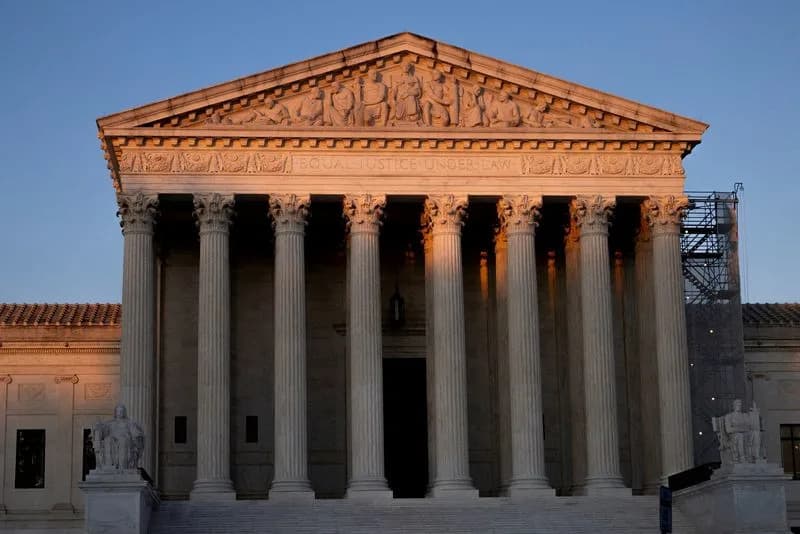
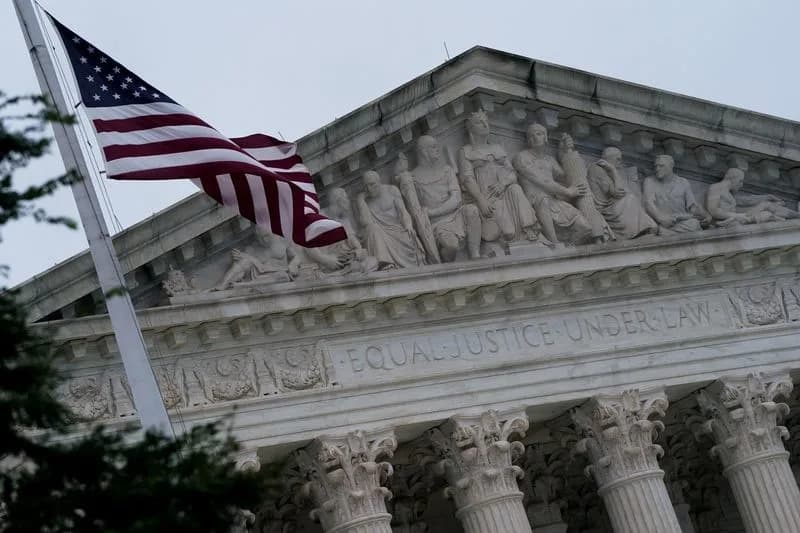
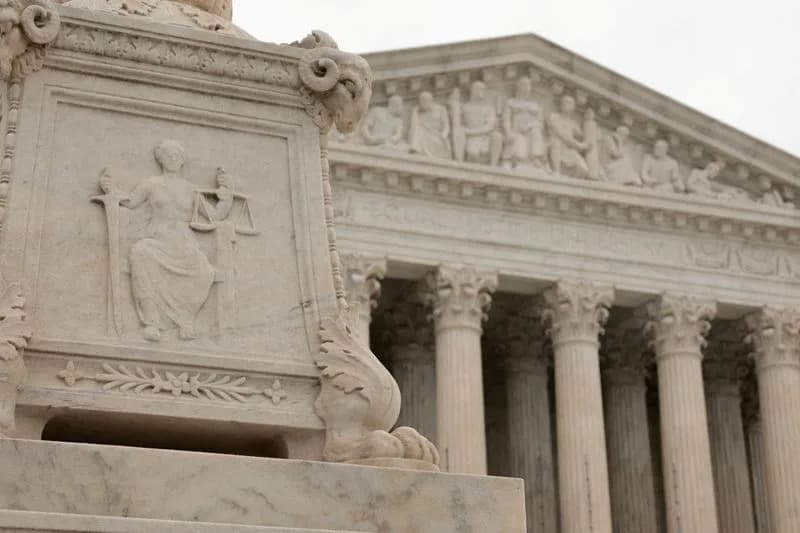
FILE PHOTO: A view of the U.S. Supreme Court in Washington, U.S., July 1, 2024. REUTERS/Kevin Mohatt/File Photo
The U.S. Supreme Court is expected to release decisions on Friday in a set of high‑stakes cases that carry wide national and international implications, including a closely watched challenge to the legality of former President Donald Trump’s global tariffs.
The court indicated on its website that it could hand down opinions in argued cases when the justices take the bench during the scheduled Friday sitting, though it does not disclose in advance which rulings it will issue.
Tariffs Case Could Reshape Emergency Powers
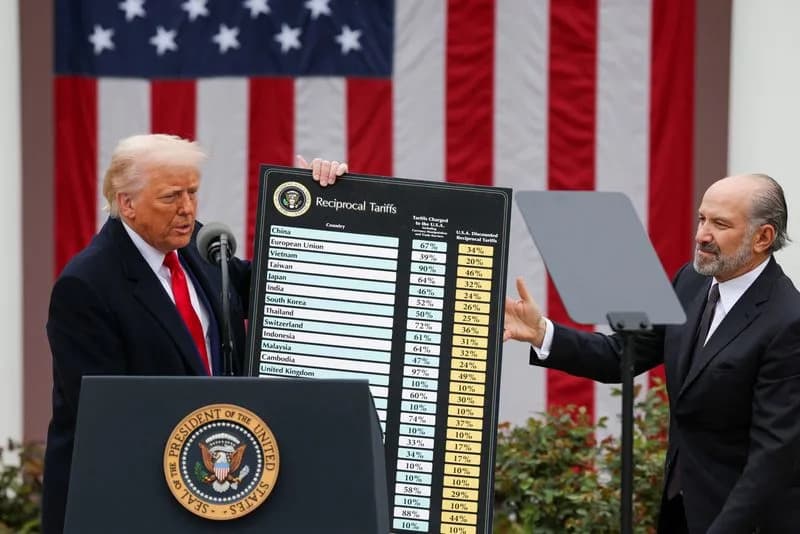
The dispute over Mr. Trump’s tariffs is among the most closely watched matters before the nation’s highest court. The duties were imposed under the International Emergency Economic Powers Act (IEEPA) of 1977, a statute intended for use during national emergencies. Lower courts concluded that Mr. Trump’s unprecedented invocation of that law to impose broad national tariffs exceeded presidential authority, and the Supreme Court’s decision could clarify the scope of emergency economic powers and affect global trade.
During arguments on November 5, justices from across the ideological spectrum appeared skeptical about the legality of the tariffs.
Mr. Trump has publicly warned of the consequences of an adverse ruling. In social media posts, he called such a decision a "terrible blow" to the United States and defended tariffs as strengthening the country financially and from a national security perspective.
Other Significant Cases Awaited
Several other consequential matters are pending before the court, which currently has a 6‑3 conservative majority.
In October, the justices heard arguments in a challenge to Section 2 of the Voting Rights Act of 1965. That provision bars voting maps that dilute minority voting power; the conservative majority appeared inclined to narrow Section 2’s reach, potentially allowing some maps to stand absent direct proof of discriminatory intent.
The court also considered a First Amendment challenge to a Colorado law that bans licensed psychotherapists from providing "conversion therapy" to minors aimed at changing sexual orientation or gender identity. A majority of justices seemed sympathetic to a Christian counselor who argued the law unlawfully restricts protected speech.
Looking ahead, the court will hear arguments on January 13 in cases challenging Republican‑backed state bans on transgender athletes competing in female public‑school sports teams. On January 21 the court is scheduled to consider an unprecedented effort by former President Trump to remove Federal Reserve Governor Lisa Cook — a move that would directly challenge the Federal Reserve’s independence. Governor Cook remains in place for now.
Any rulings the justices release on Friday could have immediate legal and policy effects, shaping presidential authority, civil‑rights protections, First Amendment boundaries, and the independence of key institutions.
(Reporting by Andrew Chung; Editing by Will Dunham)
Help us improve.