The White House and a bipartisan group of governors are urging PJM Interconnection to take immediate steps—including a proposed power auction—to boost generation and curb price spikes driven by AI data‑center demand. Pennsylvania Gov. Josh Shapiro conditioned his attendance on extending caps on wholesale price increases, while PJM says it was not invited to the event. Consumer advocates say ratepayers in the mid‑Atlantic have paid billions without seeing sufficient new capacity built. Rising utility costs are emerging as a major political issue ahead of key elections.
White House and Bipartisan Governors Push PJM to Curb AI-Driven Power Shortages and Price Spikes
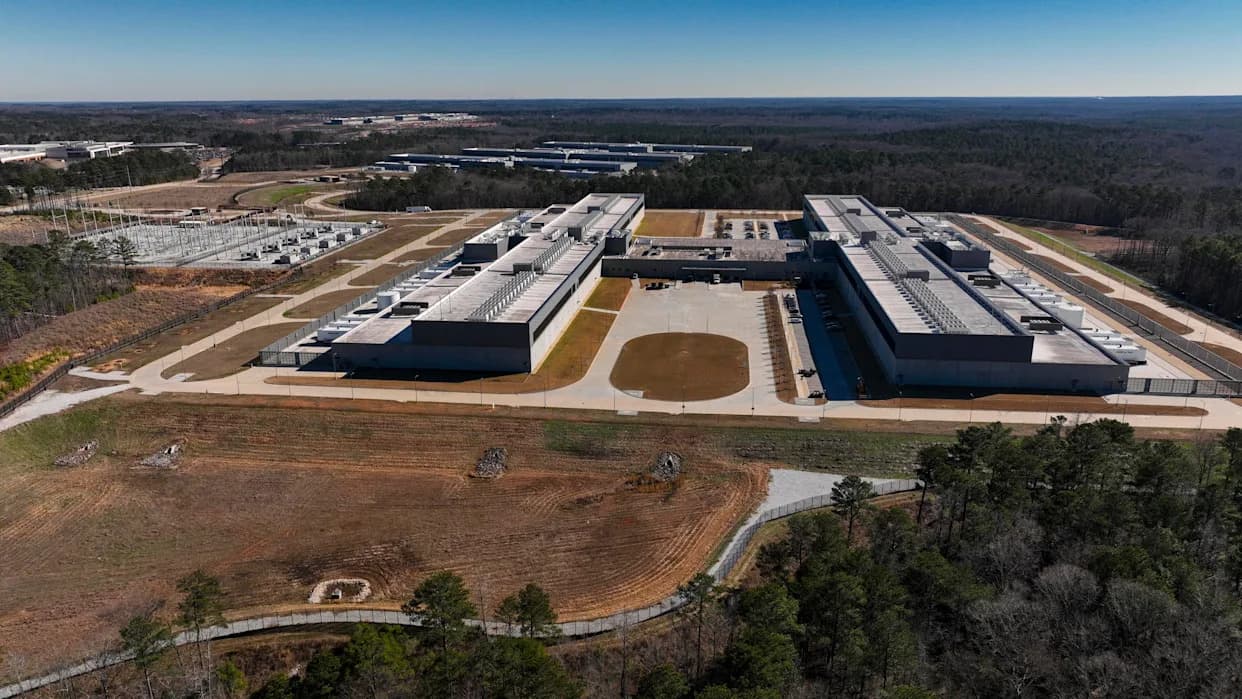
Meta's Stanton Springs Data Center is seen Tuesday, Jan. 13, 2026, in Newton County, East of Atlanta. (AP Photo/Mike Stewart)
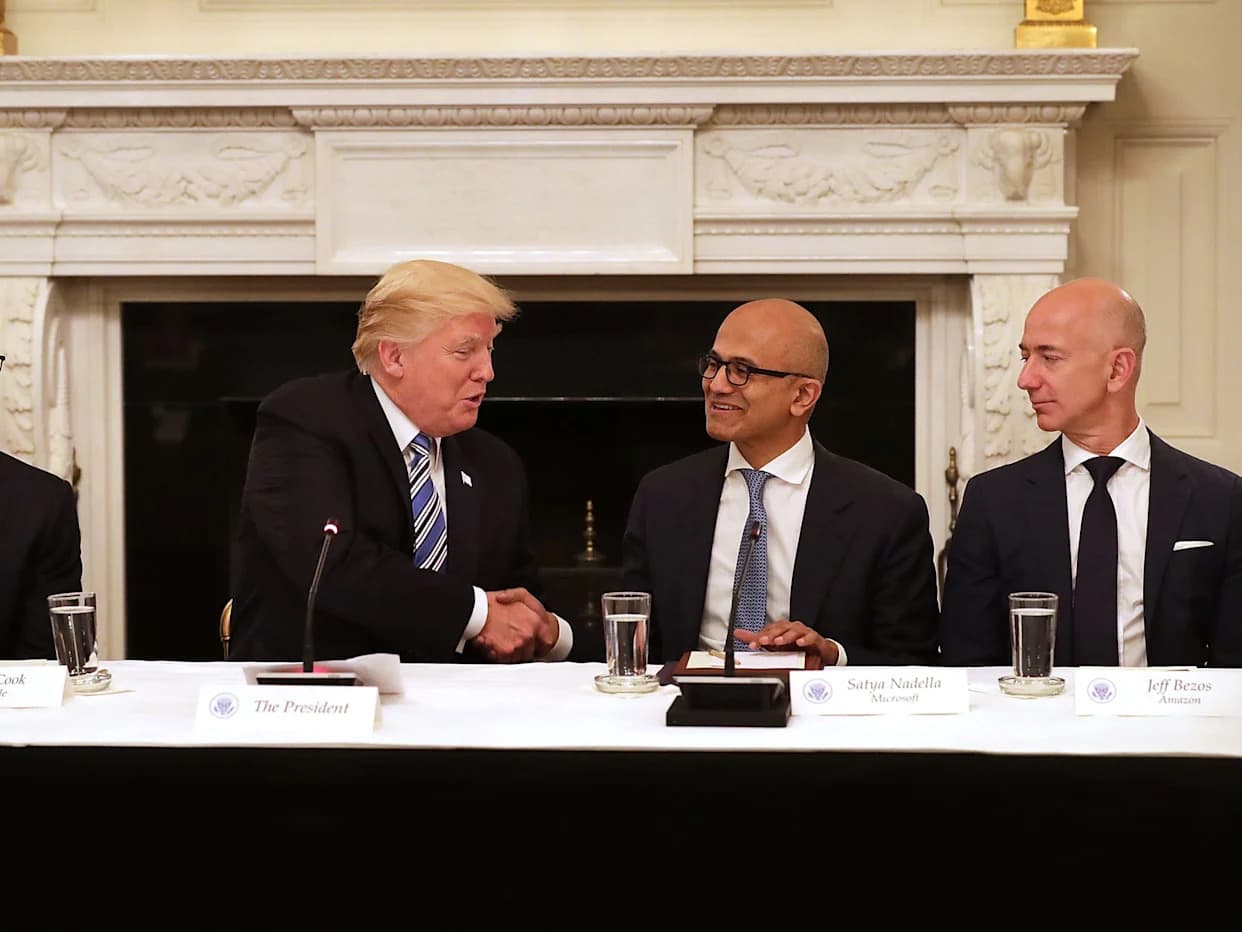
The White House, joined by a bipartisan group of state governors, is pressing PJM Interconnection—the operator of the mid-Atlantic power grid—to take urgent steps to increase electricity supply and rein in rising prices driven by surging demand from artificial intelligence data centers. Officials plan a Friday event to sign a statement of principles aimed at accelerating new generation and protecting consumers ahead of this year’s elections.
Who’s Involved
The administration’s National Energy Dominance Council and governors from several states, including Pennsylvania, Ohio and Virginia, are urging PJM to run a targeted power auction that would allow technology companies to bid on contracts to finance and build new generation capacity.
“Ensuring the American people have reliable and affordable electricity is one of President Trump’s top priorities, and this would deliver much‑needed, long‑term relief to the mid‑Atlantic region,” said Taylor Rogers, a White House spokeswoman.
Pennsylvania Governor Josh Shapiro is expected to attend the White House event, a source familiar with his plans said, conditioned on including a provision to extend caps on wholesale price increases for regional consumers. PJM, however, declined to participate, saying it was not invited: “PJM was not invited. Therefore we would not attend,” spokesperson Jeff Shields said.
Why This Matters
Consumer advocates warn that mid‑Atlantic ratepayers—covering all or parts of 13 states from New Jersey west to Illinois, plus Washington, D.C.—have already paid billions in higher bills to underwrite power for data centers, yet those payments have not translated into the new plants needed to meet growing demand. In some regions, data centers are coming online faster than new power plants can be permitted, built and connected to the grid.
Rising electricity costs have become a political flashpoint: utility rates were a major issue in recent gubernatorial contests in New Jersey and Virginia and influenced state utility commission races in Georgia. Consumer advocacy group PowerLines reported gas and electric utilities sought or won more than $34 billion in rate increases in the first three quarters of 2025—more than double the same period a year earlier.
What The Proposal Would Do
The proposed auction would create a mechanism for tech companies and other buyers to contract for new capacity, theoretically speeding investment in generation. Supporters argue this could lower wholesale price volatility and reduce the need for emergency interventions; critics caution that auctions and subsidies must be carefully designed to ensure new capacity actually gets built and that ratepayers are protected.
As officials weigh short‑term protections and longer‑term market fixes, the debate centers on balancing rapid energy demand growth from AI with affordability and reliable service for residential and business customers across the region.
Help us improve.