Two CDC studies show wastewater surveillance can detect measles infections days to months before clinical confirmation, giving health officials early warning to act. The CDC's national program covers more than 1,300 sites and about 147 million people but faces a proposed funding cut from roughly $125 million to $25 million. Public health officials warn many state programs rely on federal support and could lose coverage if funding is reduced.
CDC Studies: Wastewater Surveillance Detected Measles Weeks to Months Before Clinical Cases — But Federal Funding Is At Risk
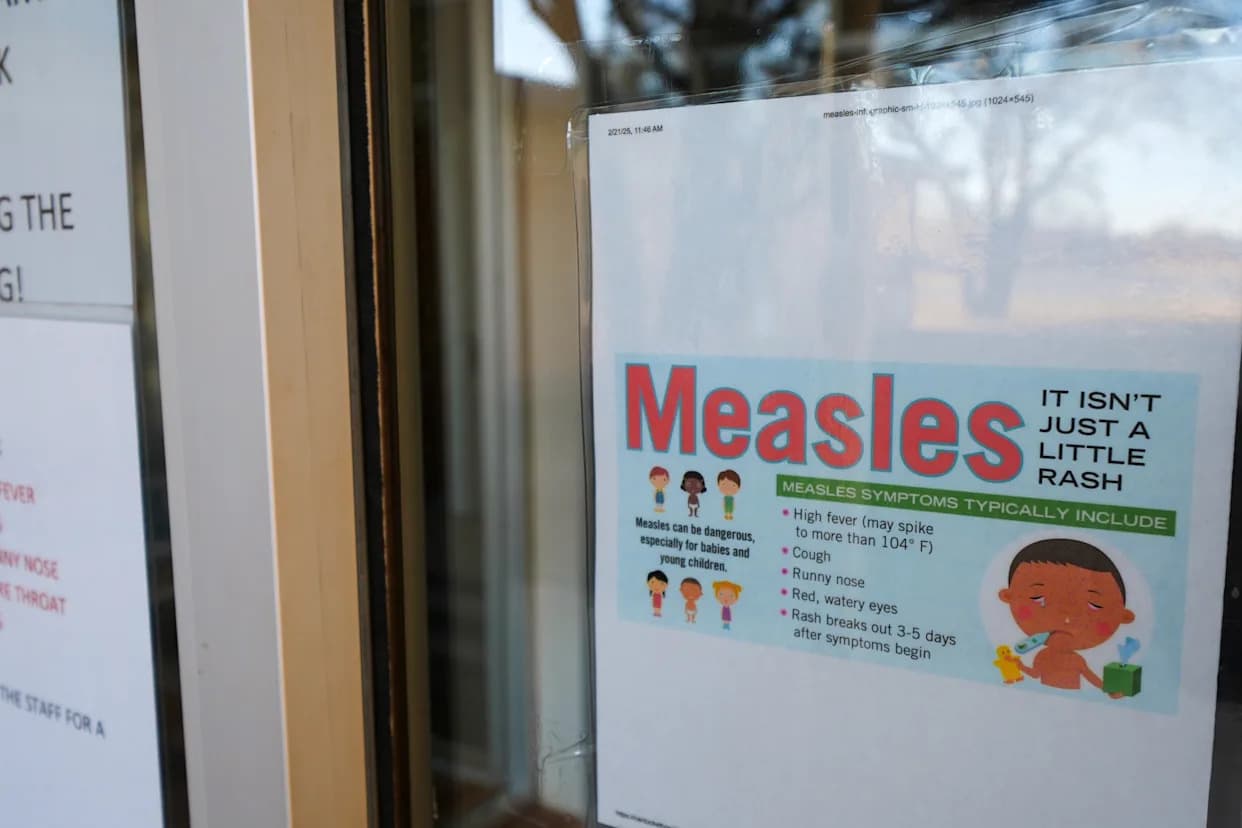
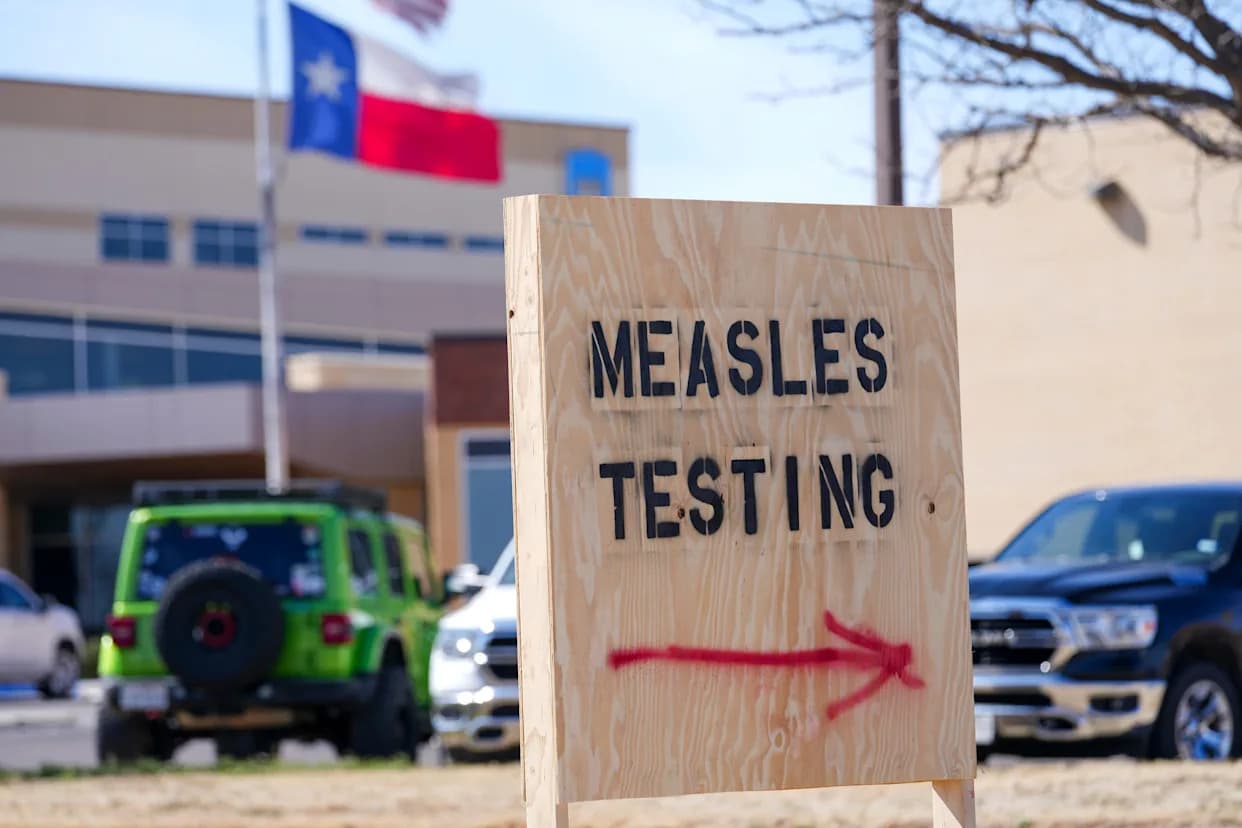
FILE - A sign is seen outside a clinic with the South Plains Public Health District, Feb. 23, 2025, in Brownfield, Texas. (AP Photo/Julio Cortez, File)(ASSOCIATED PRESS)
Two new studies by the Centers for Disease Control and Prevention show that wastewater surveillance can detect measles infections days to months before patients are clinically diagnosed, giving public health officials an early warning to mount faster, targeted responses.
Key Findings
Colorado: Officials detected measles RNA in Mesa County wastewater about a week before two cases were confirmed by clinicians; contact tracing of 225 contacts later identified additional cases.
Oregon: A retrospective analysis of preserved sewage samples found measles in local wastewater roughly 10 weeks before the first reported clinical case in a 30-case outbreak, and viral concentrations in sewage tracked the outbreak's peak.
National Program and Funding Threat
The CDC has operated a national wastewater surveillance system since 2020. It now covers more than 1,300 wastewater treatment sites serving about 147 million people and supports six designated centers for excellence that help other states expand testing. A federal budget proposal would reduce annual funding from roughly $125 million to about $25 million, a cut CDC officials say would force difficult prioritization and likely scale-back of activities.
State Impact and Use
Most state wastewater programs rely entirely on federal funding. Colorado launched its program in 2020 with 68 utilities and is funded through 2029; leaders there and elsewhere are discussing how to sustain surveillance if federal support declines. States such as Utah have integrated wastewater metrics into public-facing dashboards to inform clinicians and residents in near real time.
In New Mexico, sewage signals helped officials detect cases in northwestern Sandoval County while they were focused on a large outbreak 300 miles away, allowing health authorities to alert providers, lower testing thresholds and reallocate resources — helping to control the outbreak by September.
Why This Matters
Wastewater surveillance is a cost-effective, scalable tool to detect silent transmission from people who do not seek care and to monitor a range of pathogens, including COVID-19, polio, mpox and avian influenza. Early detection from sewage testing enables targeted testing, faster contact tracing and timelier public messaging — all of which can limit outbreak size and spread.
'The widespread use of wastewater surveillance in the United States is one of the greatest advancements in communicable disease surveillance in a generation,' said Dr. Melissa Sutton of the Oregon Health Authority.
What’s next: States and the CDC are preparing contingencies while Congress considers the proposed budget. Public health leaders warn that deep funding cuts could reduce geographic coverage, delay detection and weaken outbreak response capacity.
Reporting by The Associated Press. The AP is solely responsible for all content.
Help us improve.