Supreme Court Denies Immediate Stay: The high court refused the Trump administration’s request to pause a lawsuit by immigration judges challenging a personnel policy that limits their public comments, saying the government had not shown irreparable harm. The case now resumes in district court but the administration may seek further emergency relief if the court moves forward with discovery. Beyond the judges, the dispute raises broader questions about whether federal employees must first use independent civil-service agencies to resolve personnel and free-speech claims.
Supreme Court Lets Immigration Judges’ Free-Speech Challenge Proceed — Denies Immediate Stay

A view of the US Supreme Court in Washington, DC, on November 5, 2025. - Mandel Ngan/AFP/Getty Images/File
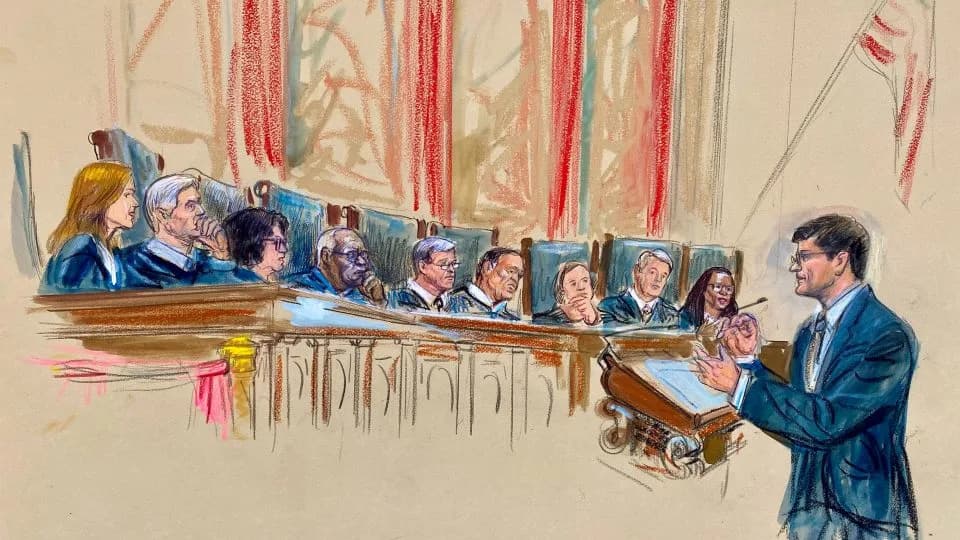
The Supreme Court on Friday declined the Trump administration’s request for an emergency stay, allowing a federal lawsuit brought by immigration judges over restrictions on their public remarks to proceed in district court.
Background
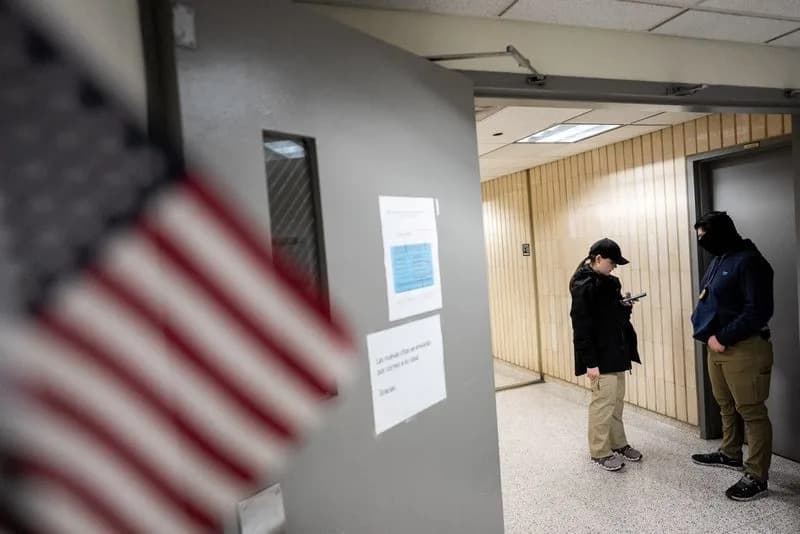
The dispute centers on a Justice Department personnel policy that requires immigration judges to obtain approval before making public statements. A former union that represented the judges sued, asserting the policy violates the judges’ First Amendment rights. Attorneys from the Knight First Amendment Institute at Columbia University argued the policy, first adopted during President Donald Trump’s term and modified under President Joe Biden, "categorically forbids" immigration judges from speaking publicly in their personal capacities about immigration or the agency that employs them.
Procedural Issue Before the Court
By the time the case reached the high court, the central question had narrowed: should the judges’ challenge be heard in federal court, or must it first be pursued through independent civil-service agencies such as the Merit Systems Protection Board (MSPB) and the National Labor Relations Board (NLRB)? The Justice Department argued the administrative route is required; the judges asked the federal district court to decide their claims directly, contending administrative channels may no longer provide a fair or timely remedy.
“At this stage, the government has not demonstrated that it will suffer irreparable harm without a stay,” the Supreme Court said in a brief order. The justices noted there were no recorded dissents but left open the possibility of future emergency appeals.
Why This Matters
The question of where such challenges belong has implications beyond immigration judges. Earlier this year the Supreme Court allowed the administration to temporarily remove certain officials from the MSPB and NLRB — developments critics say have weakened those agencies’ independence. The 4th U.S. Circuit Court of Appeals reversed a district court ruling and instructed the trial court to assess whether the agencies are functioning as Congress intended, signaling broader concerns about relying on administrative remedies.
The Justice Department warned the high court that the appeals-court ruling favoring the judges could "wreak havoc" on similar cases, with U.S. Solicitor General D. John Sauer urging immediate intervention. After the government filed an emergency appeal on December 5, Chief Justice John Roberts briefly paused district-court proceedings with an administrative order. The Supreme Court’s Friday order now allows the district court to resume, but the government may seek further emergency relief if the trial court begins discovery or takes other substantive steps before the underlying jurisdictional issues are resolved.
Potential Outcomes
If the district court proceeds, it could address both the First Amendment merits and whether administrative remedies are adequate. Alternatively, further emergency appeals to the Supreme Court could pause proceedings again pending resolution of the jurisdictional question. The case therefore remains a key test of federal employees’ access to federal courts and the role of independent administrative agencies in resolving personnel disputes.
Help us improve.