U.S. District Judge William Young condemned what he said was a targeted campaign to deport pro-Palestinian activists, calling it an 'unconstitutional conspiracy' that infringed First Amendment rights. Young, an 85-year-old Reagan appointee, ruled against the administration after a two-week trial and plans to impose sanctions and a 'conclusive presumption' that future immigration actions affecting the plaintiffs are retaliatory. The Justice Department argued district courts lack authority over removal proceedings, and Young said he will unseal much evidence and issue a written opinion next week.
Judge William Young Calls Targeted Deportations an 'Unconstitutional Conspiracy' — Sanctions, Presumption of Retaliation Loom
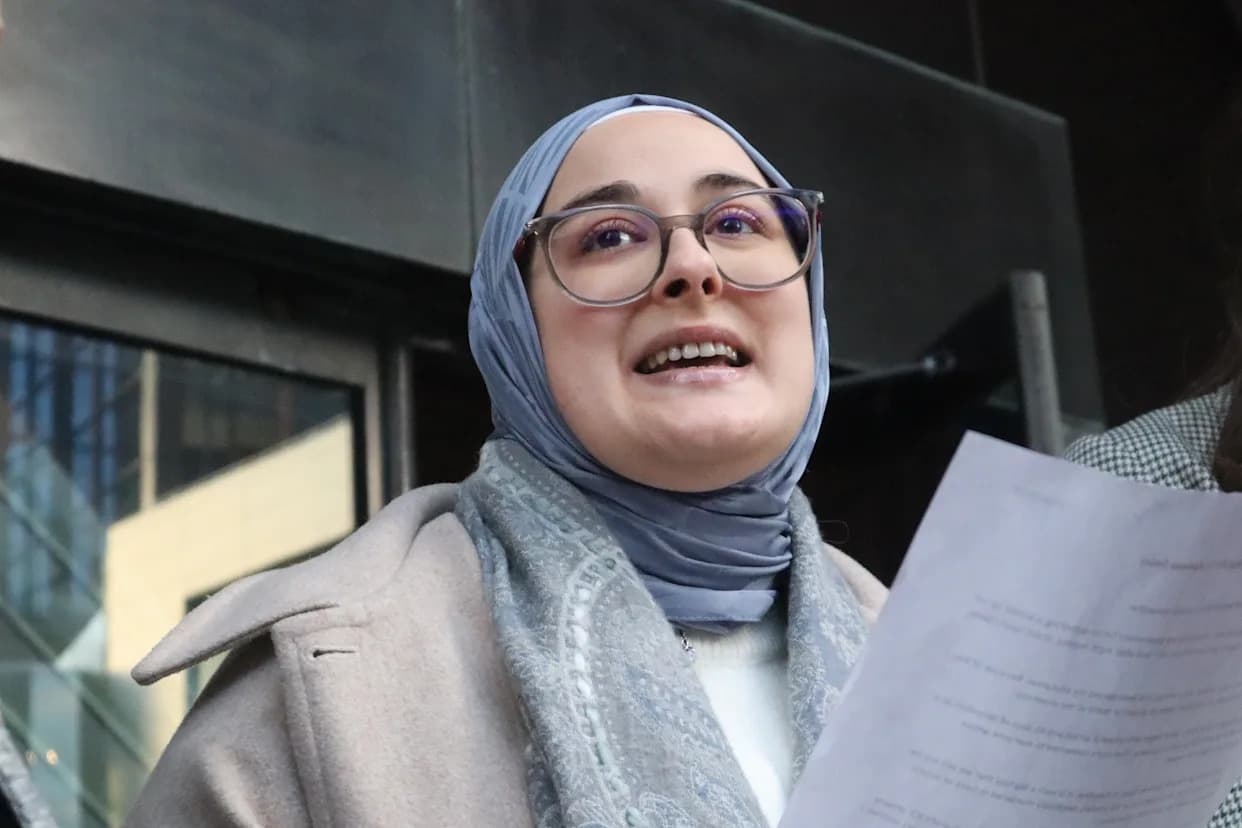
U.S. District Judge William Young sharply rebuked President Donald Trump and senior administration officials for what he described as a targeted campaign to deport pro-Palestinian activists that violated the First Amendment. At a Thursday hearing in Boston, the 85-year-old Reagan appointee said the effort amounted to an 'unconstitutional conspiracy to pick off certain people.'
Judicial Findings and Language
Young, who has served on the federal bench in Boston for four decades, said the record compelled him to conclude that high-level officials, including cabinet secretaries, conspired to chill speech protected by the First Amendment. He called the conduct 'breathtaking' and said some leaders demonstrated a 'fearful view of freedom.' Young also described President Trump as an 'authoritarian,' stressing he meant the term precisely rather than as mere invective.
'There was no policy here. What happened here is an unconstitutional conspiracy to pick off certain people,' Young said.
Case Background and Plaintiffs
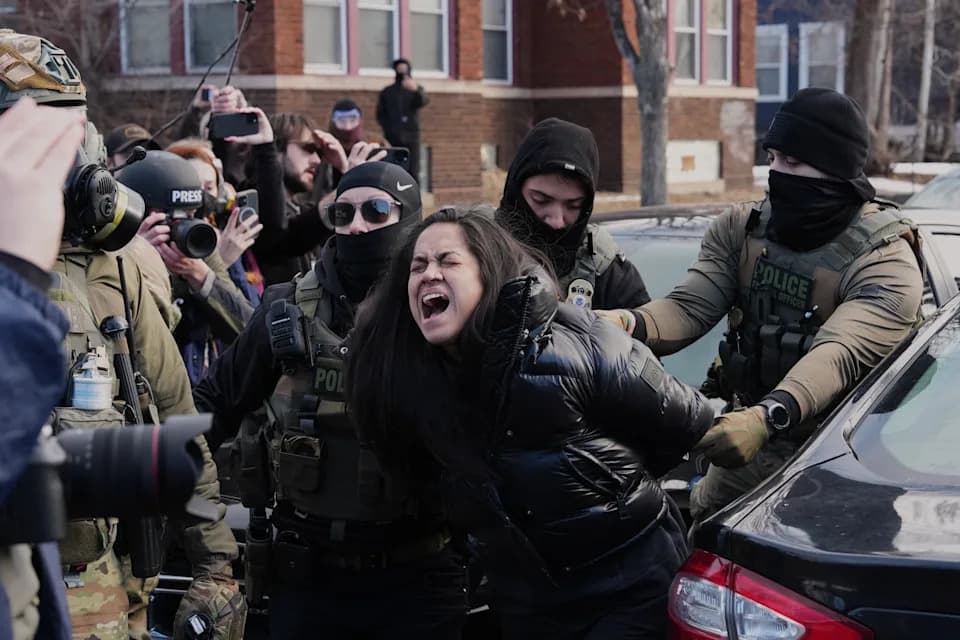
Young previously ruled against the administration in September after a two-week trial. The lawsuit challenges post-inauguration arrests and attempted deportations of pro-Palestinian activists, including Columbia University protesters Mahmoud Khalil and Mohsen Madhawi, Tufts Ph.D. student Rumeysa Ozturk, and Georgetown academic Badar Khan Suri. The judge found the actions were guided in part by an anonymously run private website that flagged Palestinian students in the United States.
Remedy Under Consideration
The judge said he will issue a remedy that creates a 'conclusive presumption' that any future adverse changes to the plaintiffs' immigration status will be treated as retaliation for bringing the suit. Under that approach, the government would bear the burden of proving a legitimate, non-retaliatory reason before altering a group member's immigration status. Young indicated he will impose steep sanctions against the administration for trying to 'chill' protected speech.
DOJ's Response and Jurisdictional Dispute
The Justice Department told the court that district judges lack authority to control removal proceedings, arguing that initiation and conduct of deportation actions must be handled through immigration courts. DOJ attorney Paul Stone cited an appeals court decision from the 3rd Circuit issued earlier the same day that rejected similar relief in a related challenge brought by Columbia protester Mahmoud Khalil. Young expressed astonishment at the suggestion that no remedy exists.
Use of Government Resources
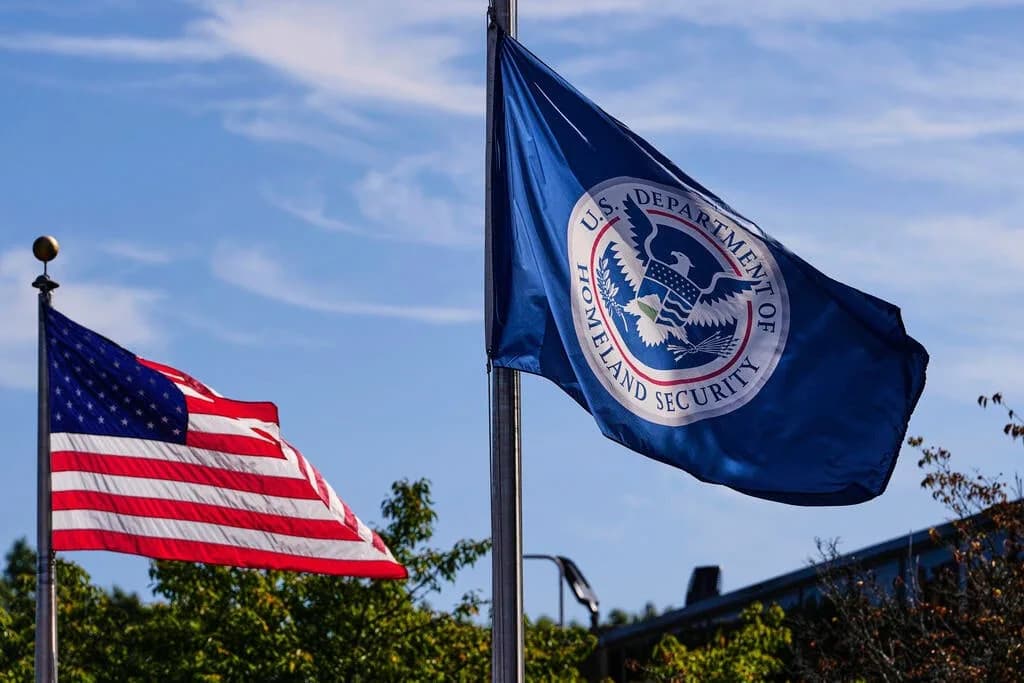
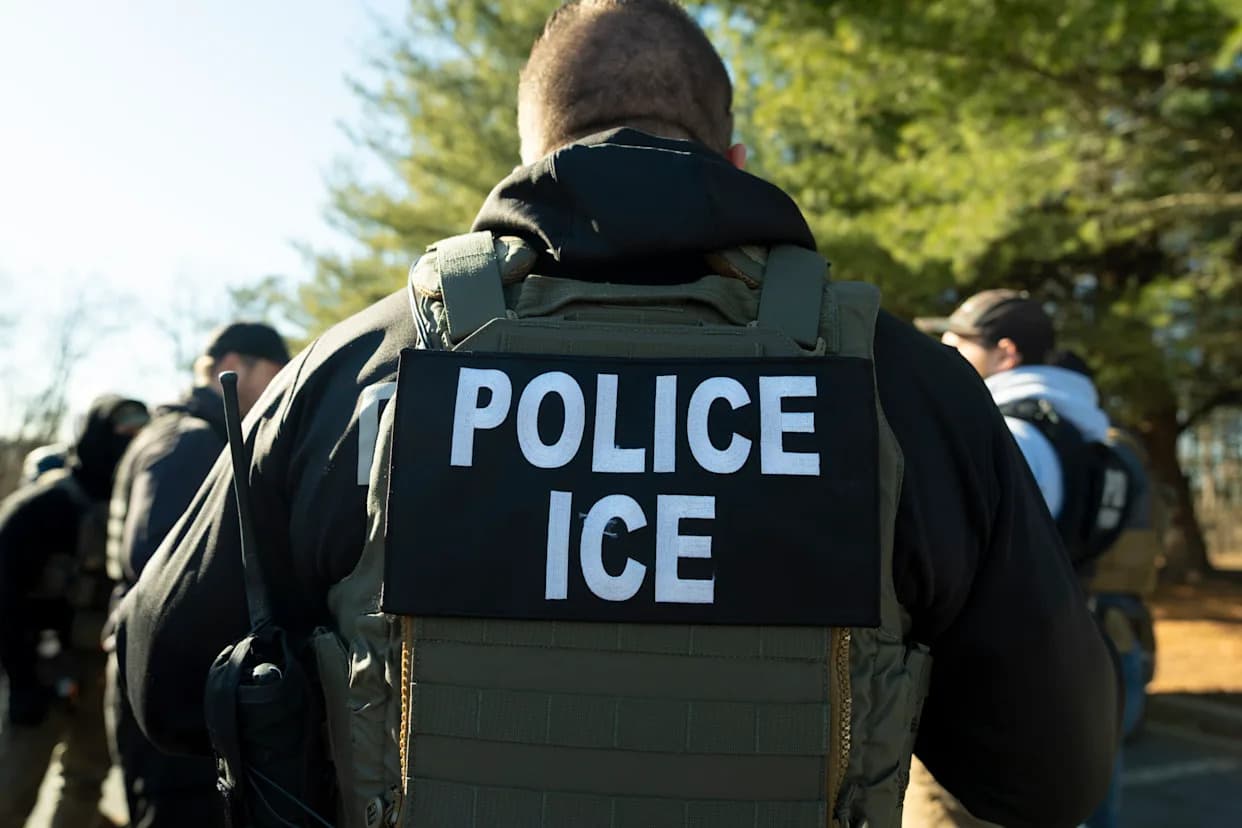
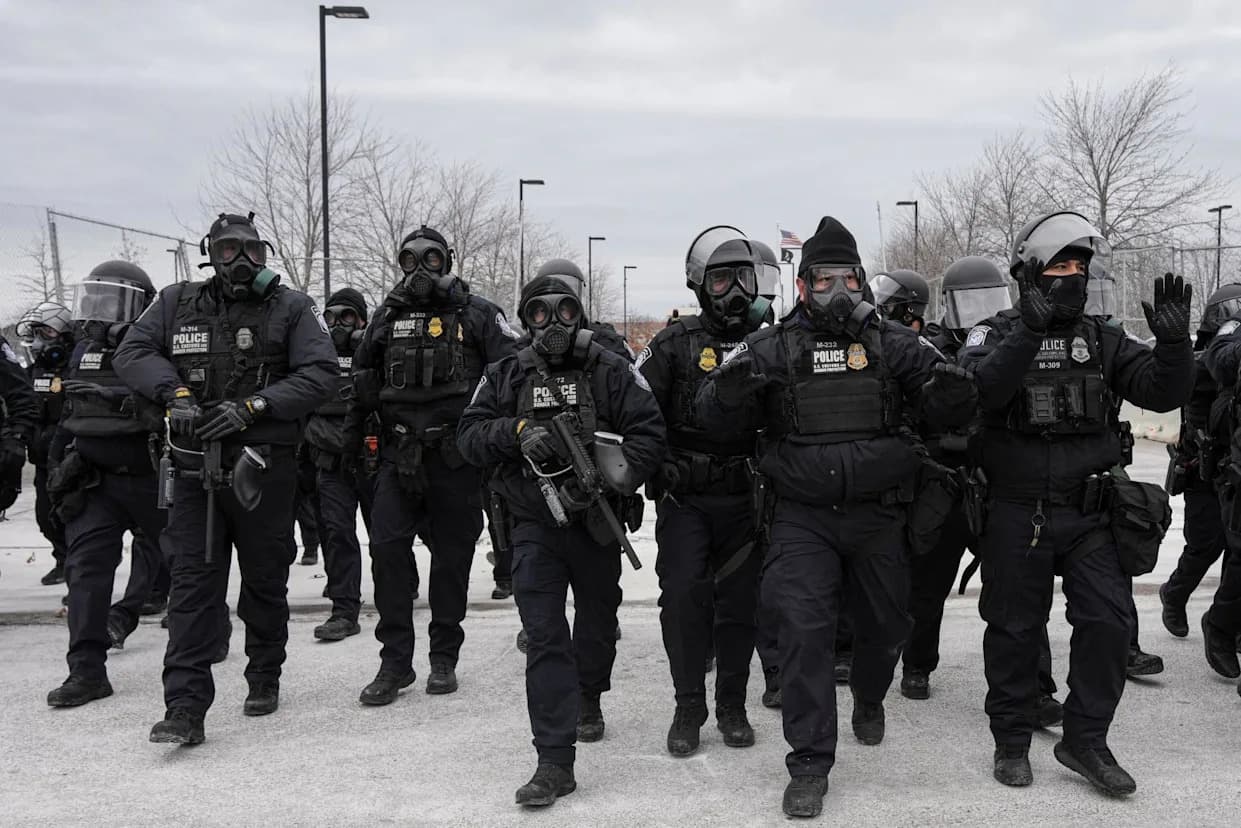
Young praised Department of Homeland Security professionals who testified that agents with anti-terrorism and human-trafficking responsibilities were reassigned to research the activists. He said the record shows government resources were redirected to dig up politically useful 'dirt' on a disfavored group, demonstrating how public institutions can be weaponized against protected speech.
Next Steps
The judge said he plans to unseal much of the evidence the administration sought to keep under seal and will issue a formal written opinion next week. The outcome could shape how courts balance immigration authority, separation of powers, and First Amendment protections when allegations of politically motivated enforcement arise.
Significance
This decision highlights a rare and forceful judicial rebuke of senior officials for alleged targeting of political speech, raises jurisdictional questions about district-court remedies in deportation matters, and signals that courts may scrutinize the use of federal resources in politically sensitive enforcement actions.
Help us improve.