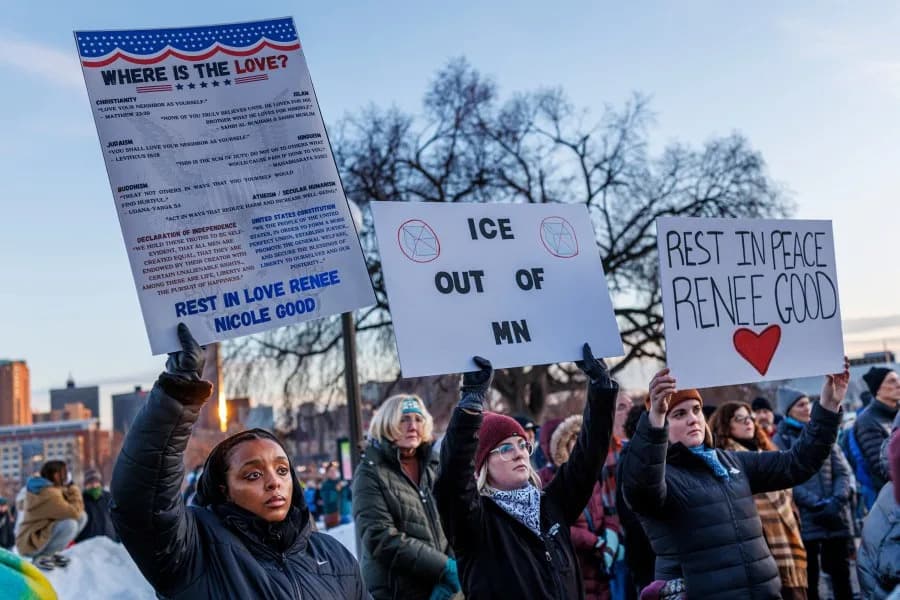
The fatal shooting of Renee Nicole Good—an unarmed U.S. citizen shot while sitting in her SUV as she attempted to leave—has prompted intense scrutiny after video footage contradicted early official claims. The Supreme Court’s decision in Barnes v. Felix reiterates that courts must evaluate law-enforcement use of deadly force by the totality of the circumstances, not a narrow "moment of threat." That broader legal lens, combined with the footage showing officers’ actions before the shooting, raises serious doubts about whether the agent’s self-defense claim is credible.
Supreme Court Guidance Undercuts Self-Defense Claim in ICE Agent’s Fatal Shooting of Renee Good
After federal agents fatally shot an unarmed U.S. citizen in broad daylight, public reactions from senior officials defending the shooter and blaming the victim have prompted serious concern. The killing of Renee Nicole Good—shot while seated in her SUV as she attempted to leave an increasingly confrontational encounter—raises critical questions about the use of deadly force and how courts should evaluate officers’ self-defense claims.
What the Videos Show
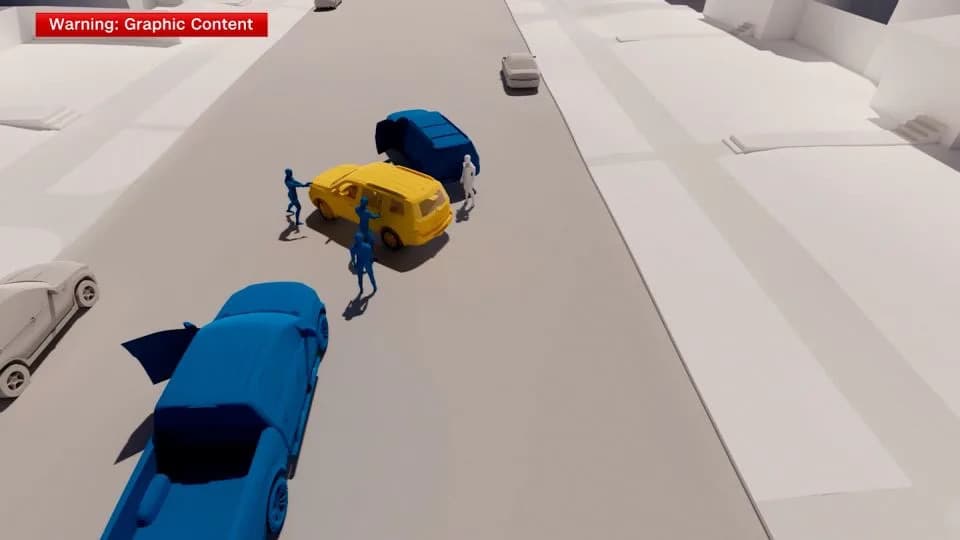
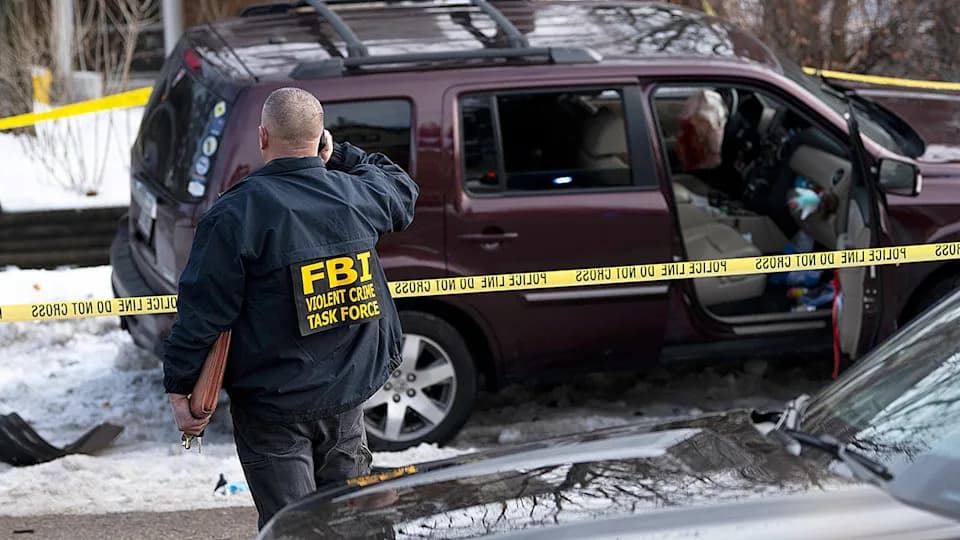
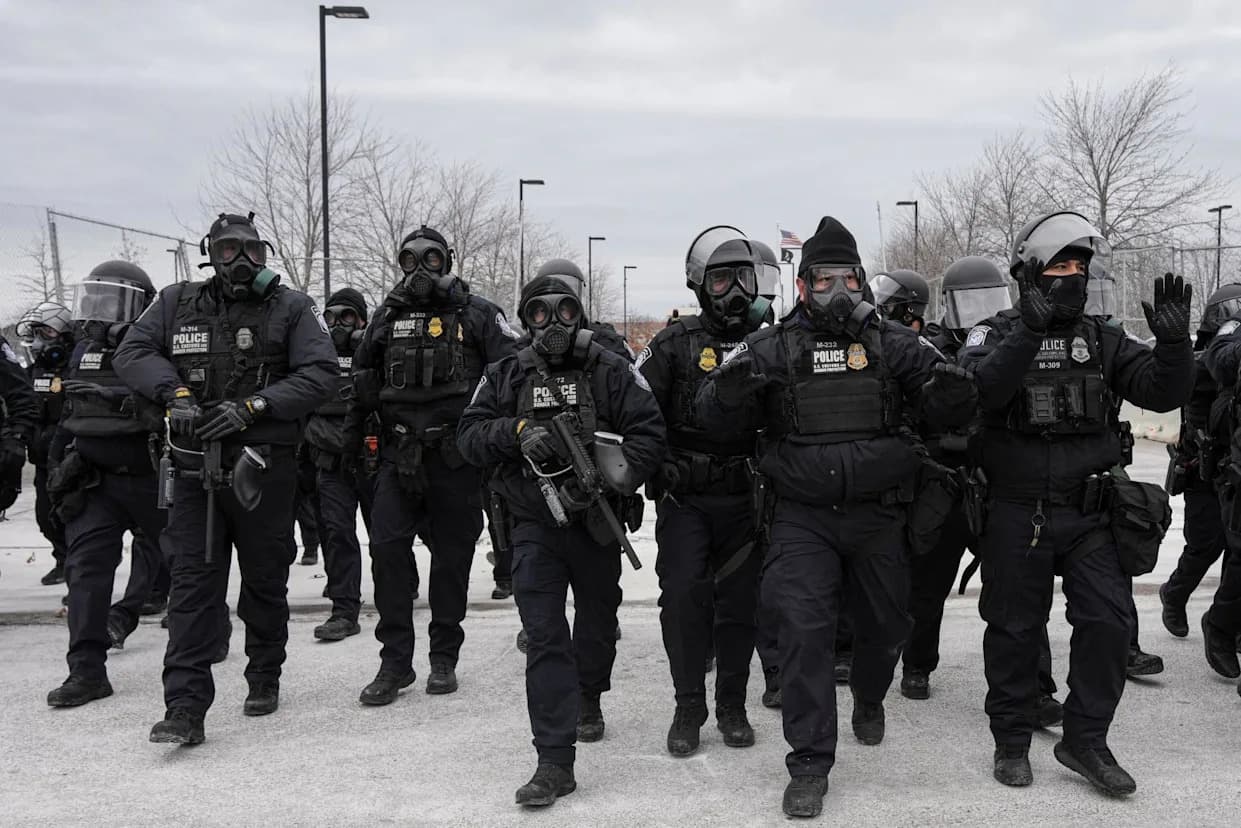
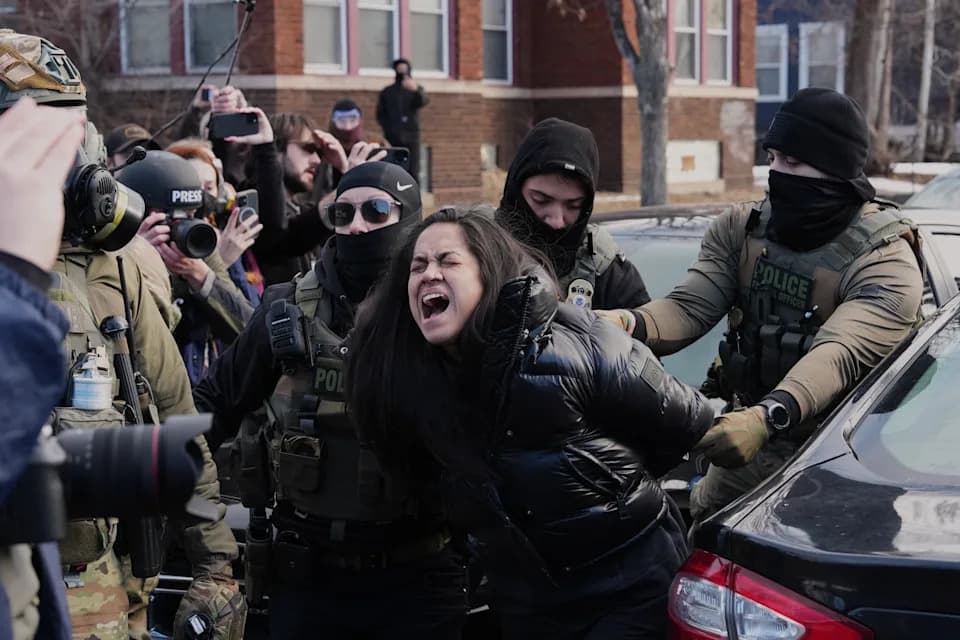
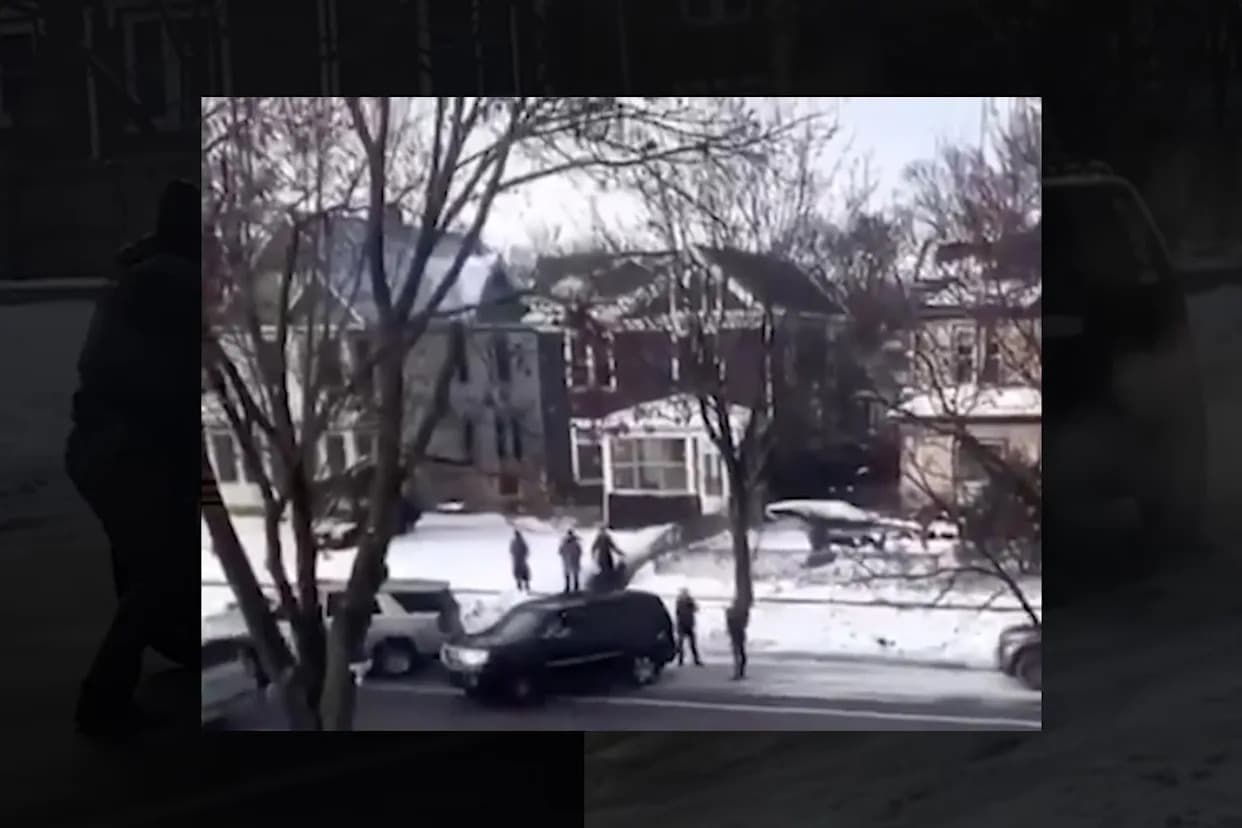
Cellphone footage released from multiple vantage points shows two ICE agents stepping out of a pickup and approaching Good’s vehicle. One agent appears to reach through the open driver’s window and attempt to open the door. Good first backs up slowly, then turns right and moves forward at low speed as if trying to drive away. At that moment, a third agent—standing briefly in front of the SUV—draws his firearm, moves to the side of the vehicle, and fires multiple rounds into the cabin. Good was struck in the head; her vehicle continued forward and struck a parked car. She was pronounced dead shortly afterward.
Official Responses And Misinformation
Prominent public figures quickly weighed in. South Dakota Governor Kristi Noem defended the agent and characterized the incident as an act of "domestic terrorism," claiming the agents had been stuck and were attacked. Former President Donald Trump posted on Truth Social asserting that the driver had "run over the ICE Officer," a claim not supported by available video. Senator J.D. Vance and other commentators similarly framed the shooting as the victim’s fault. None of the publicly released footage shows Good running over or attacking officers before she was shot.
Key Moments And Context
Other clips add context: one shows Good making a brief hand gesture toward a pickup that had pulled up, contradicting claims she was intentionally blocking agents. Another, recorded on the phone of the agent who later fired, captures Good smiling and saying, "That’s fine, dude. I’m not mad at you," while a companion films the interaction. Seconds later, an agent can be heard shouting, "Get out of the fucking car!"—after which Good reverses and then moves forward. The camera tilts upward, a thud is heard, and three shots are fired in quick succession.
What The Law Says
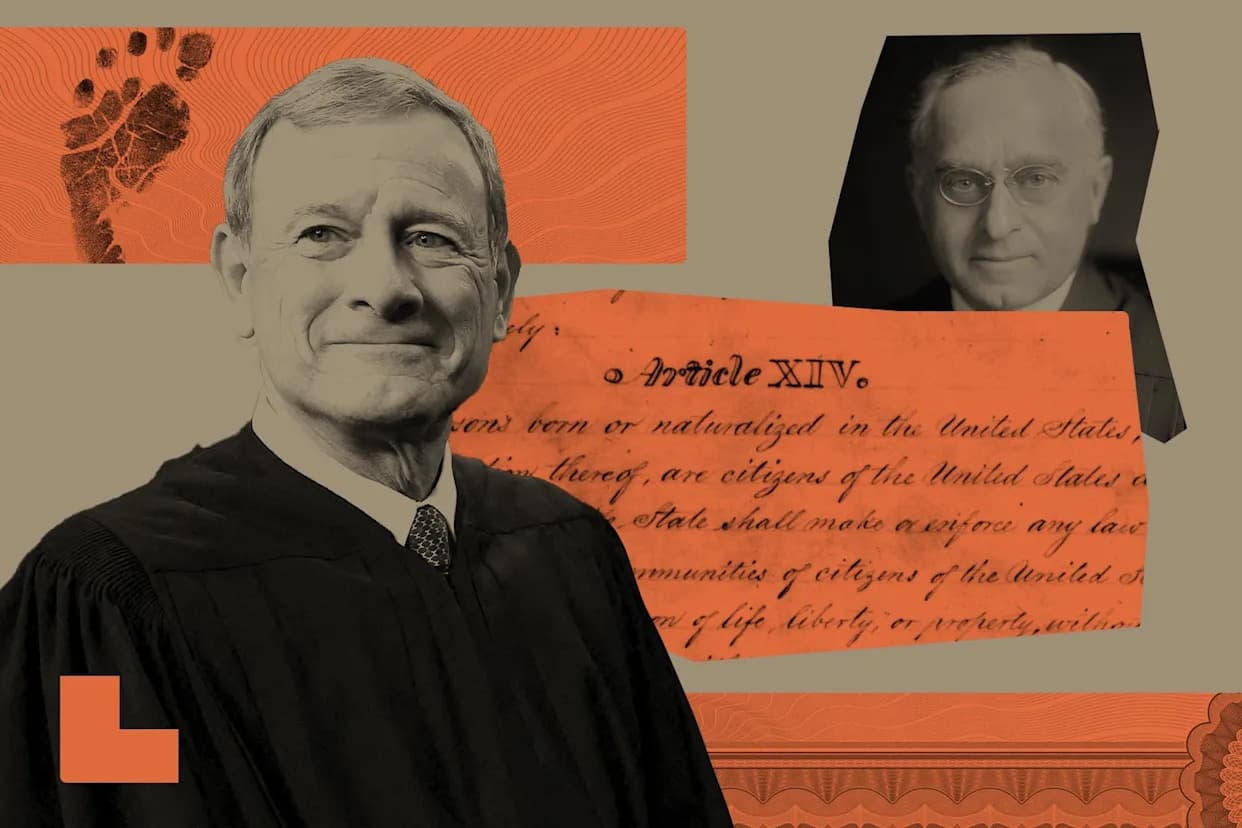
Recent Supreme Court precedent is relevant. In Barnes v. Felix, the Court rejected a narrow "moment of threat" approach that focused only on the instant the shot was fired and reaffirmed that use-of-force claims must be judged under the totality of the circumstances, consistent with Graham v. Connor. That standard requires courts to consider the broader context—including earlier officer actions that might have escalated the encounter—rather than freeze-framing the shooting moment.
Officer-Created Jeopardy. Barnes left open whether courts may consider prior law-enforcement conduct that increased the risk the encounter would turn deadly. Under a totality-of-the-circumstances analysis, prior officer conduct that heightened danger is plainly relevant and should be part of the reasonableness inquiry.
Why The Videos Matter
The footage weakens a narrow self-defense narrative in several ways: the agent placed himself in front of a vehicle; Good had been calm seconds earlier; another agent reached into the car and shouted at her to exit; and the shooter was able to stand, move to the vehicle’s side, and fire multiple rounds—two apparently through the open driver-side window, striking Good in the head. If the officer’s concern was merely to stop the vehicle, tactical options short of shooting the driver’s head (for example, blocking or aiming at tires) were available. Police tactics experts often warn that standing in front of a moving vehicle and firing into an occupied car are dangerous practices reserved for truly imminent lethal threats—conditions not evident here.
Public Accountability
Good was a U.S. citizen and, according to DHS, not the target of any ICE investigation; she was shot just blocks from her home. The agent had photographed the vehicle’s license plate and could have pursued any administrative or criminal process later. Many observers conclude this was an avoidable death: restraint by officers could have averted the use of deadly force while still preserving investigative options.
Conclusion
Viewed through the Supreme Court’s totality-of-the-circumstances framework, the available footage casts substantial doubt on a straightforward self-defense justification. The episode raises urgent questions about officer tactics, accountability, and the propriety of public officials framing the encounter in ways that shift blame onto the victim rather than addressing whether the use of deadly force was reasonable and avoidable.
Help us improve.