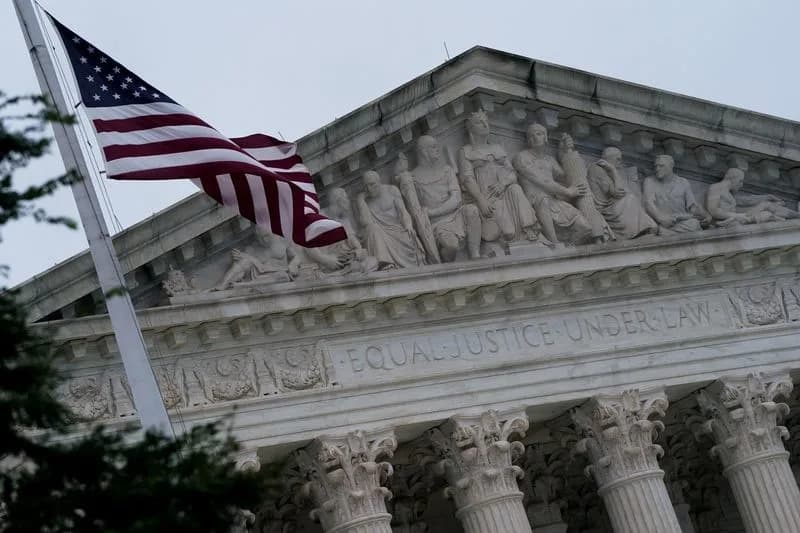
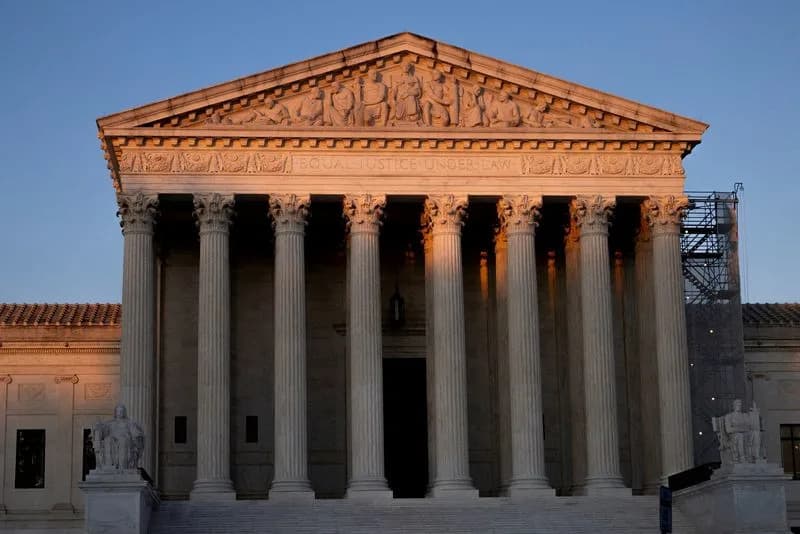
The U.S. Supreme Court returns in January with a packed docket, including three consequential argument days. On January 13 the Court will hear Little v. Hecox and West Virginia v. B.P.J., challenging state bans that limit transgender women and girls from female sports under the Equal Protection Clause and Title IX. On January 20 the Court will consider Wolford v. Lopez, about a Hawaii law restricting concealed carry on certain private properties. On January 21 the justices will weigh Trump v. Cook, which tests whether a president may remove a Federal Reserve governor "for cause" amid allegations of misconduct.
Transgender Athletes, Gun Rules, and the Fed: 3 Supreme Court Cases To Watch in January
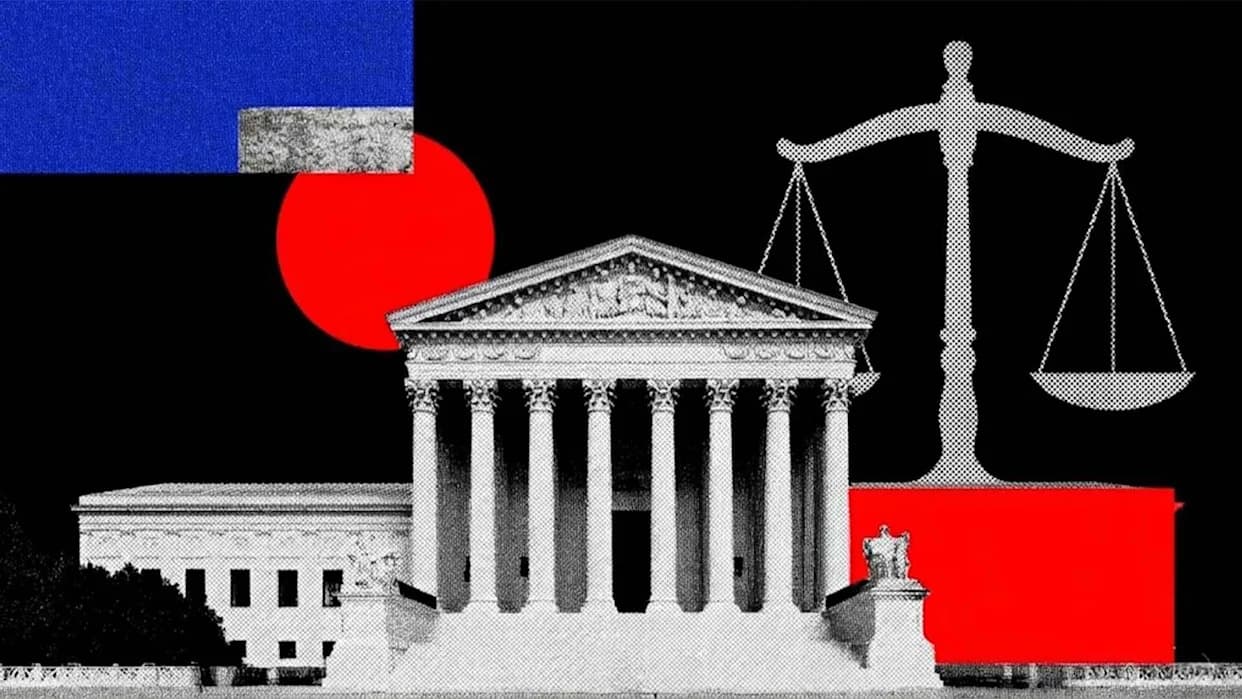
Transgender Athletes, Guns, and the Federal Reserve: 3 SCOTUS Cases To Watch in January
Welcome to a preview of the U.S. Supreme Court's January calendar. After a short winter recess, the Court returns with several high‑profile arguments that touch on civil rights, gun regulation, and the scope of presidential removal power.
Jan. 13: Two Cases On Transgender Participation In Sports
On January 13 the Court will hear a rare doubleheader addressing state laws that restrict transgender women and girls from competing on female sports teams. In Little v. Hecox, the question presented asks whether laws that purport to "protect women's and girls' sports by limiting participation to women and girls based on sex" violate the Equal Protection Clause of the Fourteenth Amendment.
That same day the Court will also hear West Virginia v. B.P.J., a separate but related challenge that raises whether Title IX prevents a state from consistently designating boys' and girls' teams based on biological sex assigned at birth. Together, the cases will test how federal equal‑protection principles and federal civil‑rights statutes apply to state athletic eligibility rules.
Jan. 20: Gun Case About Concealed Carry On Private Property
On January 20 the Court will hear Wolford v. Lopez, which challenges a Hawaii statute that allows licensed concealed‑carry permit holders to carry a handgun on private property that is open to the public only with the property owner's express permission. The current Court has been receptive to robust Second Amendment claims in recent years, so observers will watch closely for doctrinal signals.
Justice Antonin Scalia in District of Columbia v. Heller (2008) warned that "nothing" in recognizing an individual right to keep and bear arms "should be taken to cast doubt on longstanding prohibitions...or laws forbidding the carrying of firearms in sensitive places such as schools and government buildings."
Pay attention to whether conservative justices treat Hawaii's restriction as a permissible regulation—for example, as a restriction tied to "sensitive places"—or instead view it as an unjustified limitation on the individual right.
Jan. 21: Presidential Removal Power And The Federal Reserve
On January 21 the Court will hear Trump v. Cook, which arises from former President Donald Trump's attempt to remove Lisa Cook from the Federal Reserve Board of Governors. Under the Federal Reserve Act, a president may remove a Fed governor only "for cause." Trump asserts he has cause because there is "sufficient reason to believe [Cook] may have made false statements on one or more mortgage agreements," though Cook has not been criminally charged.
In September, the U.S. Court of Appeals for the D.C. Circuit enjoined Cook's removal while the case proceeds, finding she was "likely to succeed" on a claim that she did not receive adequate process in violation of the Fifth Amendment's Due Process Clause. The Supreme Court will review that injunction and also determine whether the allegations meet the statutory "for cause" standard or instead amount to a pretextual removal.
What To Watch For
These three argument days could produce opinions that reshape how courts approach sex‑based classifications in sports, the scope of permissible gun regulations on private property, and the limits of presidential removal power over independent‑agency officials. The Court has also signaled it may release one or more opinions as early as January 9, fueling speculation about other pending matters.
Bottom line: January's docket puts major constitutional questions in the spotlight—expect close parsing of statutory text, precedent, and the balance between individual rights and governmental interests.
Help us improve.