Federal Judge David O. Carter blocked the Justice Department from using the Civil Rights Act to compel California to hand over sensitive voter-file fields, including Social Security and driver’s license numbers. The DOJ pivoted from citing NVRA and HAVA to relying largely on a records-inspection provision of the Civil Rights Act, prompting critics to warn of privacy harms, wrongful purges and federal overreach. The department has sued 23 states plus D.C.; litigation is ongoing.
Federal Judge Blocks DOJ’s Use Of Civil Rights Act To Seize Sensitive Voter Data
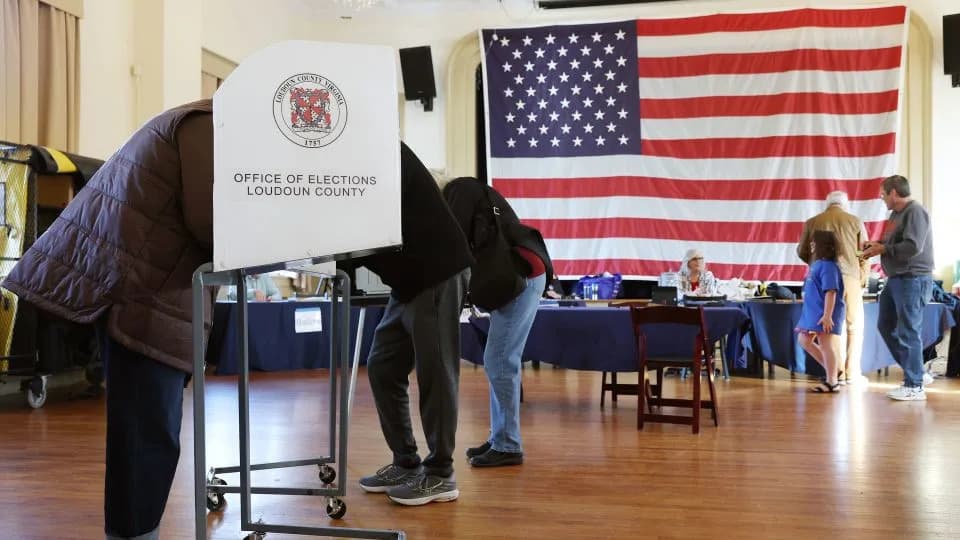
Voters fill out their ballots on November 4 in Hillsboro, Virginia. - Anna Moneymaker/Getty Images
The Trump administration’s expansive effort to obtain sensitive voter-registration data from states has hit a major legal roadblock. A federal judge has blocked the Justice Department’s attempt to compel California to hand over highly confidential voter-file fields, including Social Security and driver’s license numbers, after the department pivoted to relying primarily on a records-inspection provision of the Civil Rights Act.
Judge Carter’s Ruling
District Judge David O. Carter found that the Civil Rights Act was not intended to authorize broad, unexplained federal demands for comprehensive voter records. In his order, Carter warned that centralized federal collection of those data “would have a chilling effect on voter registration which would inevitably lead to decreasing voter turnout as voters fear that their information is being used for some inappropriate or unlawful purpose.”
“Without these requirements, the DOJ could embark on a fishing expedition of voter records in any state looking for concerns, without identifying a single issue with the state’s policies beforehand.” — Judge David O. Carter
What the DOJ Sought and Why It Pivoted
DOJ originally based its requests on the National Voter Registration Act (NVRA) and the Help America Vote Act (HAVA). As pushback mounted, the department narrowed its claims and began relying largely on a records-inspection clause of the Civil Rights Act — a law enacted to address racial discrimination in voting during the Jim Crow era. The department says it needs the records to “help” states clean their rolls by matching state files against federal data sets.
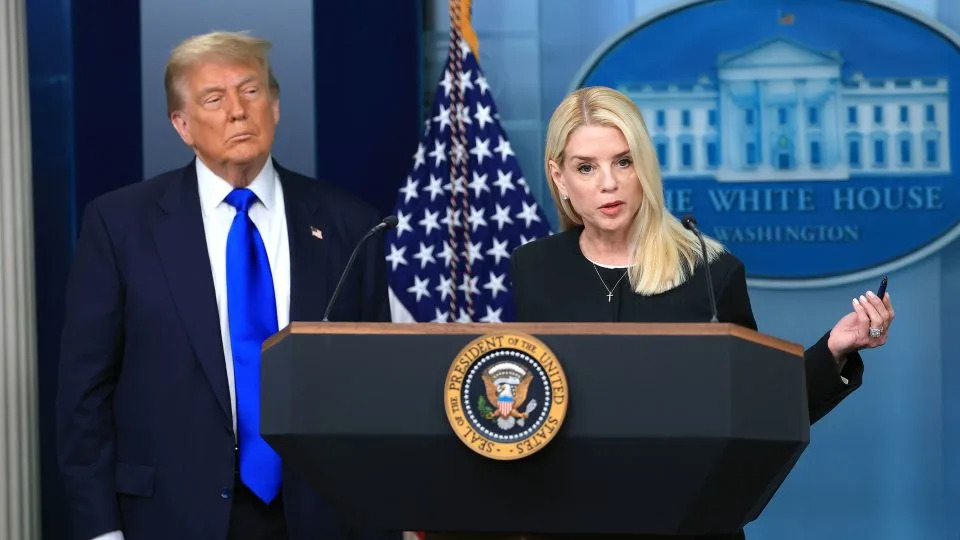
Attorney General Pam Bondi speaks alongside President Donald Trump in the briefing room at the White House in June. - Joe Raedle/Getty Images
Privacy, Purges, And Interagency Plans
Voting-rights groups, election experts and some state officials have raised alarms about privacy risks and the potential for careless or erroneous purges that could disenfranchise eligible voters. According to reporting, DOJ coordinated with the Department of Homeland Security on plans to search state voter files for indications of noncitizen registration — a step that has heightened concerns about how the data might be reused or shared.
Staffing And Strategy Questions
Observers note that the department’s voting section has undergone dramatic turnover, with many career experts departing early in the second Trump administration. The data-seeking campaign has been driven by newer attorneys, some with ties to outside conservative groups. Critics say this partly explains shifts in legal theory and an apparent willingness to pursue faster litigation tactics, such as asking courts to order immediate production of records.
Where The Litigation Stands
DOJ has sued 23 mostly Democratic-led states and the District of Columbia after those jurisdictions refused to produce some sensitive voter-file fields. Early lawsuits included claims under NVRA and HAVA; more recent complaints often press only the Civil Rights Act theory. Judges so far have been cautious: no court has granted DOJ’s requests for immediate, full-scale production of records.
The litigation is ongoing and likely to remain a focal point of debates about federal authority, voter privacy, and how best to maintain accurate voter rolls without chilling participation or risking improper purges.
Help us improve.