The Justice Department has experienced a sweeping wave of firings and departures since President Trump's return to the White House, touching career prosecutors across counterterrorism, civil rights, immigration and public integrity units. Many were dismissed abruptly and without explanation, sometimes after online targeting, leaving high-profile cases stalled and units depleted. The department says it has hired thousands of attorneys, but critics warn the purge has hollowed institutional expertise and fostered fear among remaining staff. Rebuilding capacity and restoring trust will be a central challenge going forward.
A Year of Purges at the Justice Department: Career Prosecutors Say Firings Have Hollowed Out Key Units

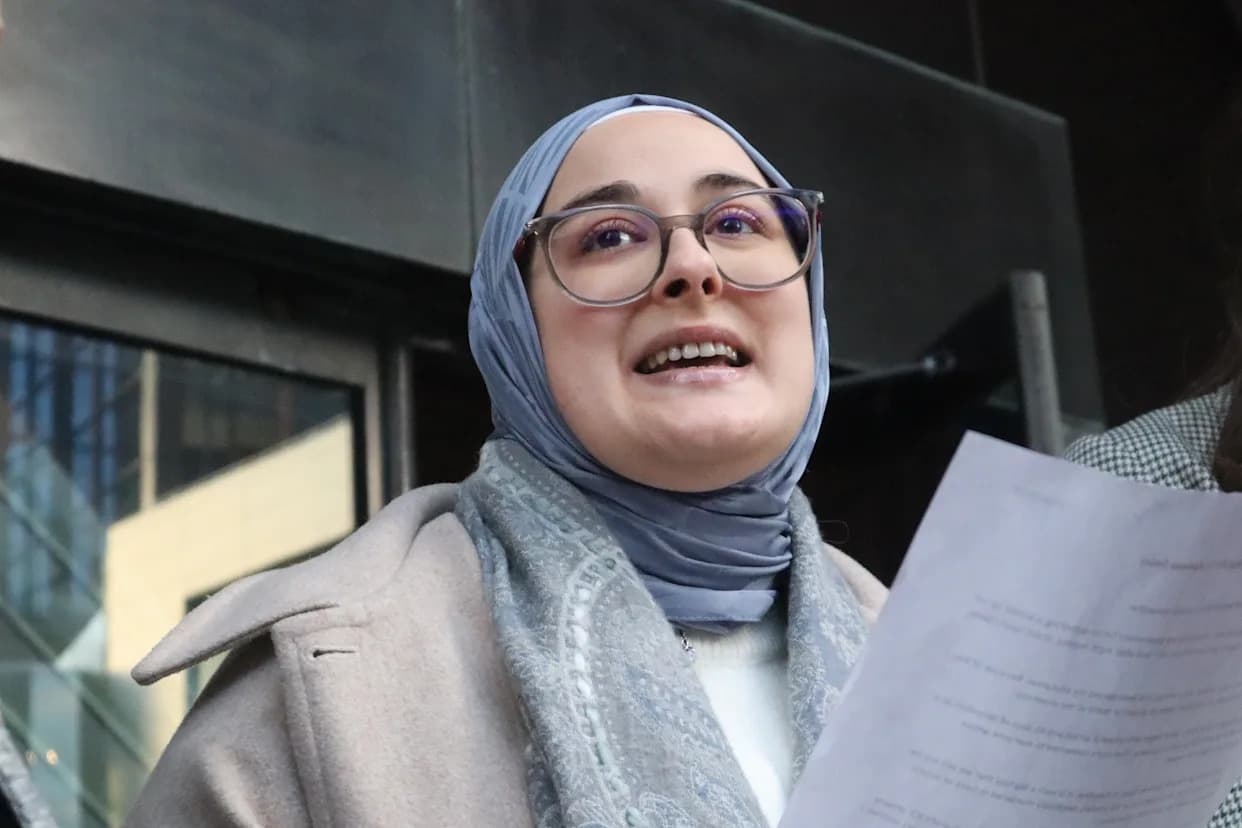
Anam Petit, a former Justice Department employee, poses for a portrait in the Robert and Arlene Kogod Courtyard at the National Portrait Gallery in Washington, Friday, Jan. 9, 2026. (AP Photo/Moriah Ratner)(ASSOCIATED PRESS)
WASHINGTON — Michael Ben'Ary was driving a child to soccer practice last October when he checked his work phone at a red light and found it disabled. He later learned, via a message to his personal email, that he had been terminated.
Ben'Ary, a seasoned federal prosecutor with more than two decades at the Department of Justice, had handled high-profile cases ranging from the murder of a Drug Enforcement Administration agent to a suicide-bomb plot aimed at the U.S. Capitol. Most recently he led a national security unit in the U.S. attorney's office for the Eastern District of Virginia and was prosecuting a case tied to the deadly Kabul airport bombing — a case President Donald Trump later cited in his State of the Union address.
His dismissal came hours after a social media post by right-wing commentator Julie Kelly suggested he had previously worked for a Biden administration official and implied political motives — a claim Ben'Ary says was false. His abrupt removal, like many others across the department, was issued without a detailed public explanation.
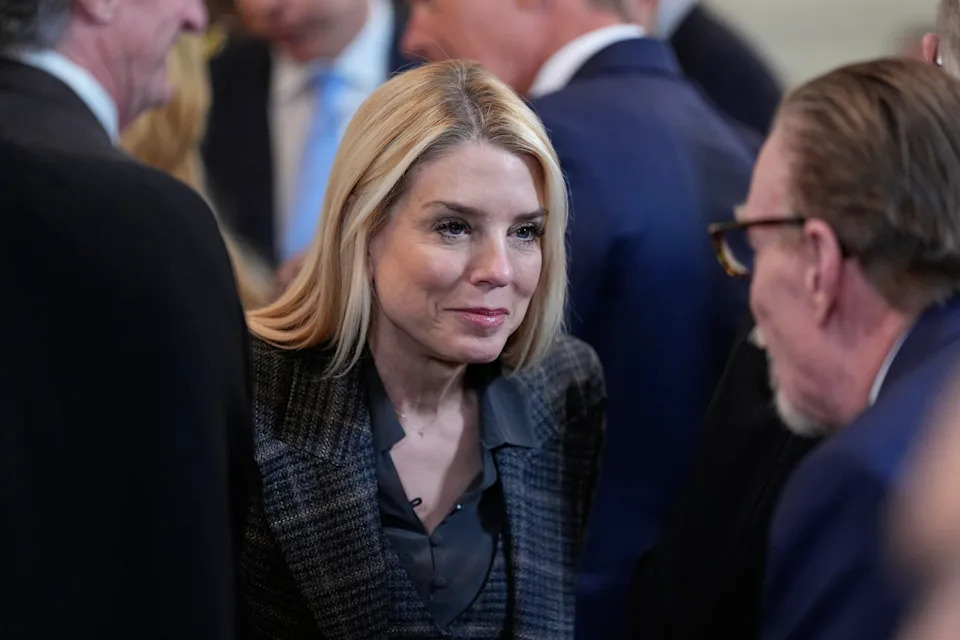
Attorney General Pam Bondi arrives before President Donald Trump speaks during an event to honor the 2025 Stanley Cup Champion Florida Panthers in the East Room of the White House, Thursday, Jan. 15, 2026, in Washington. (AP Photo/Alex Brandon)(ASSOCIATED PRESS)
Why These Firings Matter
The wave of dismissals and resignations since President Trump's return to the White House has touched prosecutors and career staff across multiple divisions, including counterterrorism, civil rights, environmental enforcement, immigration courts and the Public Integrity Section. Critics argue the departures have erased institutional knowledge and weakened the department's traditional insulation from politics.
“To lose people at that career level … is immensely damaging to the public interest,” said Stuart Gerson, a senior official in the George H.W. Bush administration. Former Justice Department officials and many former employees call the scale and motivation of the removals unprecedented.
Who Was Affected
Interviews with more than a half-dozen recently fired employees portray a department in turmoil. Among those affected were:
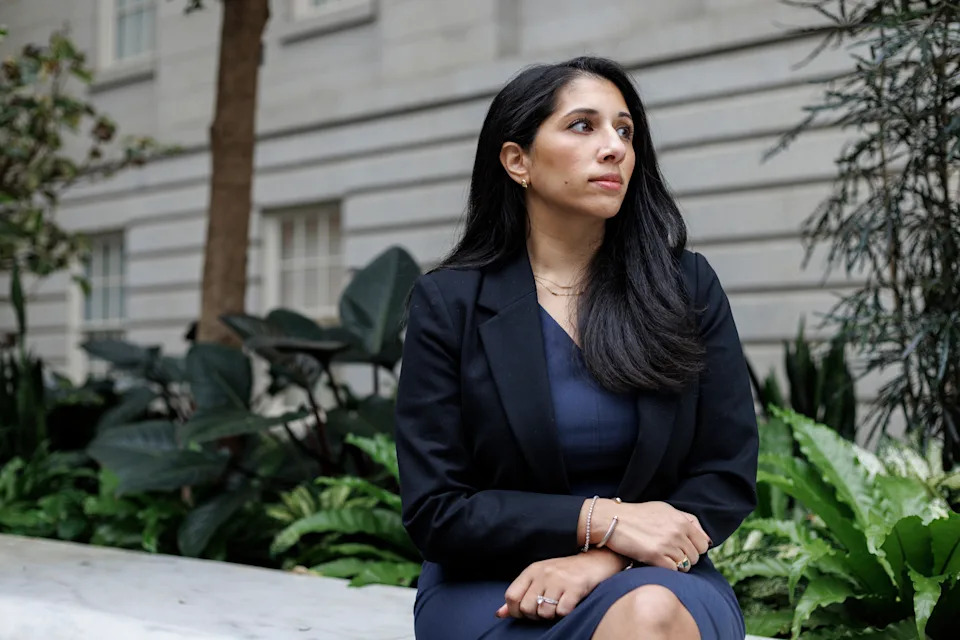
Anam Petit, a former Justice Department employee, poses for a portrait in the Robert and Arlene Kogod Courtyard at the National Portrait Gallery in Washington, Friday, Jan. 9, 2026. (AP Photo/Moriah Ratner)(ASSOCIATED PRESS)
- Prosecutors who worked on Jan. 6 cases charging violent attacks on police.
- Counterterrorism lawyers assigned to sensitive national-security prosecutions, including the Kabul airport case.
- Attorneys and supervisors in the Civil Rights Division and Public Integrity Section.
- Immigration judges and ethics officials who advised on conflicts and gifts.
Department Response and Staffing Changes
The Justice Department counters that it has hired thousands of career attorneys since the administration took office, saying more than 3,400 career prosecutors were brought on board. Officials describe some departures as reflecting mismatches with the administration's priorities and defend personnel changes as part of a broader effort to "end the weaponization of government."
Still, the exodus has produced backlogs and vacancies. Justice Connection, an alumni network of former department employees, estimates more than 230 lawyers, agents and staff were fired last year and that more than 6,400 employees left the department, which it says had roughly 108,000 employees at the end of 2025.
Political Priorities, Questionable Appointments and Legal Consequences
In at least one high-profile instance, a veteran U.S. attorney was replaced by a White House aide with no federal prosecutorial experience to pursue politically charged cases. Judges later criticized the handling of those cases and dismissed prosecutions, sometimes citing procedural errors and concerns over the lawfulness of appointments.
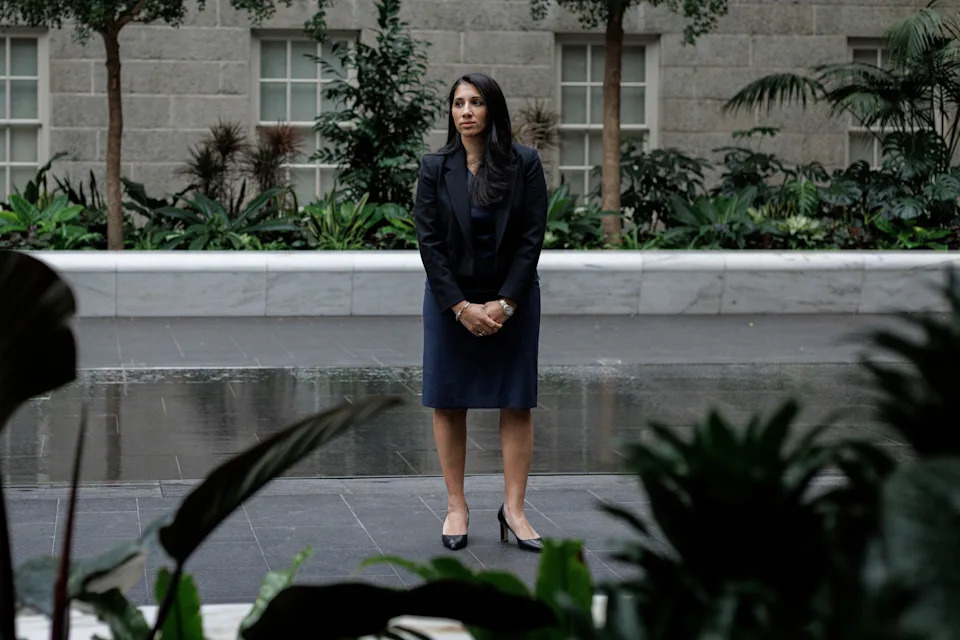
Anam Petit, a former Justice Department employee, poses for a portrait in the Robert and Arlene Kogod Courtyard at the National Portrait Gallery in Washington, Friday, Jan. 9, 2026. (AP Photo/Moriah Ratner)(ASSOCIATED PRESS)
Special Counsel Jack Smith, who led an earlier investigation into the president and has since left the department, lamented the loss of nonpartisan career staff, saying the removals have eroded a culture of impartial public service.
Personal Stories
Aliya Khalidi, hired in 2023 to help prosecute hundreds of Jan. 6 cases, said she and colleagues were stunned to receive termination notices after an internal memo described their hires as "subversive personnel actions by the previous administration." Immigration judge Anam Petit, told of her firing between hearings, returned to the bench to deliver decisions with a trembling voice. Joseph Tirrell, the department's chief ethics officer until his July firing, said the climate has become one of fear and uncertainty.
“There’s a great deal of fear there just because I was fired and just because so many others were summarily fired,” Tirrell said. “Are you going to get fired because you provided ethics advice? Are you going to get fired because you have a pride flag on your desk?”
Cases Left in Limbo
The abrupt departures have left major prosecutions in jeopardy. Ben'Ary's removal, for example, came as his office prepared a national security case related to the Kabul airport bombing. Other attorneys listed on the case had resigned or been dismissed; a trial that had been scheduled was postponed.
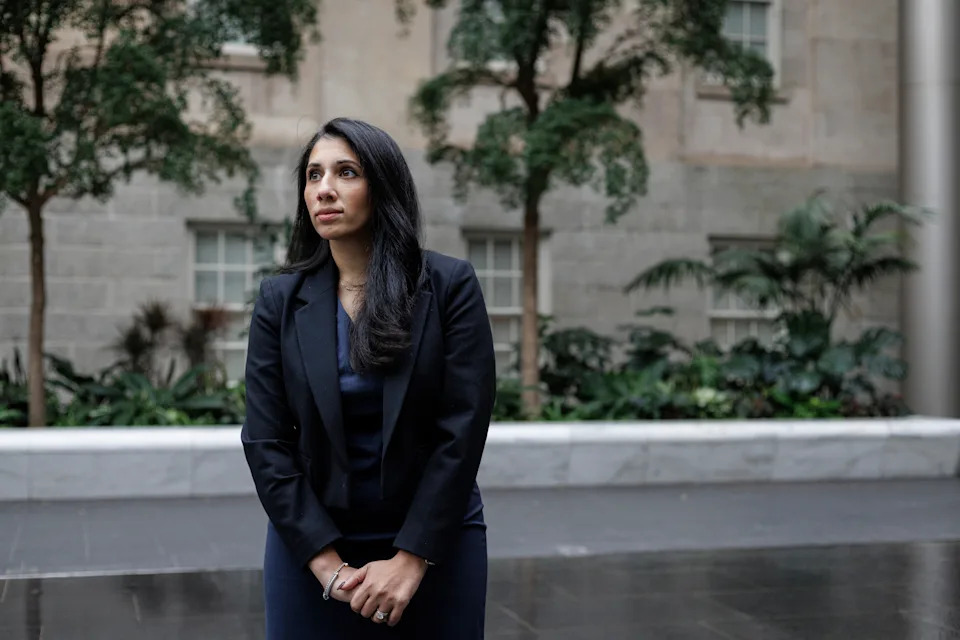
Anam Petit, a former Justice Department employee, poses for a portrait in the Robert and Arlene Kogod Courtyard at the National Portrait Gallery in Washington, Friday, Jan. 9, 2026. (AP Photo/Moriah Ratner)(ASSOCIATED PRESS)
In parting notes, several former prosecutors urged remaining staff to continue following facts and the law without fear or favor and warned that political interference undermines national security and public confidence.
What Comes Next
The department faces the immediate task of filling vacancies and restoring capacity in depleted divisions while managing politically sensitive prosecutions. Observers warn that rebuilding institutional trust and technical expertise will take time — and depends in part on whether career staff feel insulated from political pressures going forward.
Key questions remain: Will the department be able to recruit experienced prosecutors willing to handle politically fraught cases? Can it rebuild divisions hollowed out by departures? And how will courts respond to cases pursued under accelerated political priorities?
Help us improve.