Researchers applied machine learning to 15 years of seismic data (2008–2022) beneath Yellowstone and detected more than 86,000 previously unrecognized tiny earthquakes. The team relocated over 67,000 events into improved 3D positions, revealing swarms that can recur in nearly the same spot years apart. Scientists suspect migrating fluids deep underground often trigger these clustered quakes. The AI methods improve monitoring of volcanic and geothermal hazards and strengthen disaster preparedness.
AI Reveals 86,000+ Tiny Earthquakes Beneath Yellowstone, Mapping Hidden Swarms in 3D
Here's how AI helped researchers discover thousands of mini earthquakes beneath Yellowstone
International researchers have used machine learning to reanalyze 15 years of seismic records beneath Yellowstone and uncovered more than 86,000 previously undetected tiny earthquakes. The study, published in Science Advances, relocates over 67,000 events into improved three-dimensional positions and reveals repeated swarm behavior that sheds new light on the park’s subterranean activity.
How the AI Worked
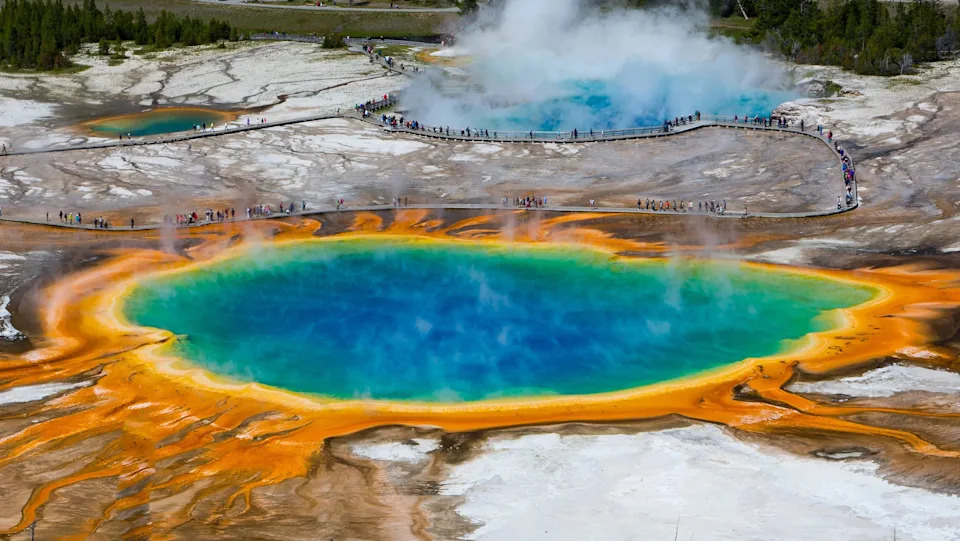
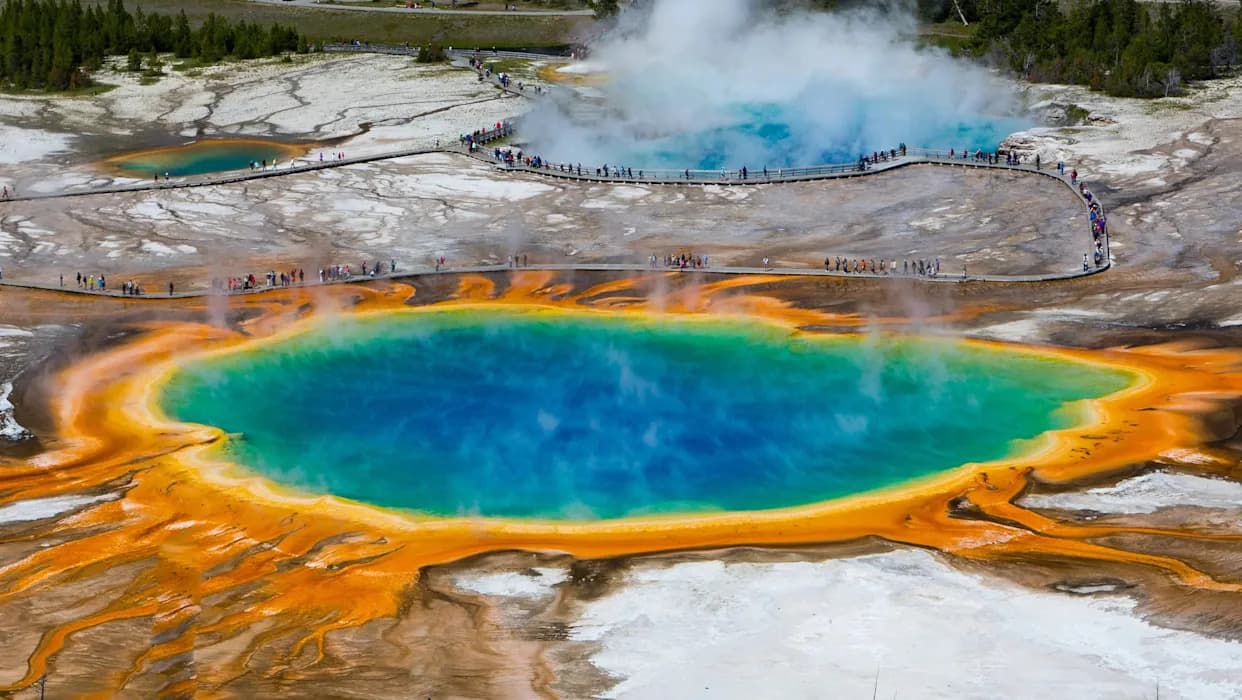
The largest hot spring in Yellowstone National Park is Grand Prismatic Spring.
The research team applied a machine-learning algorithm to continuous seismic data from 2008–2022. The AI scanned waveforms to detect very small events—typically below magnitude 1.5—that routine monitoring missed. By precisely measuring the arrival times of seismic waves at multiple stations, researchers then triangulated each event to produce a detailed 3D map of quake locations and depths.
Major Findings
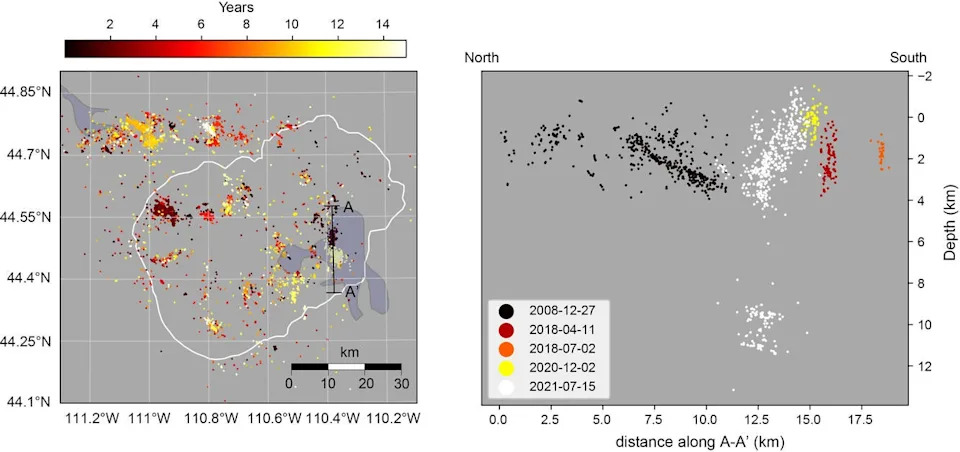
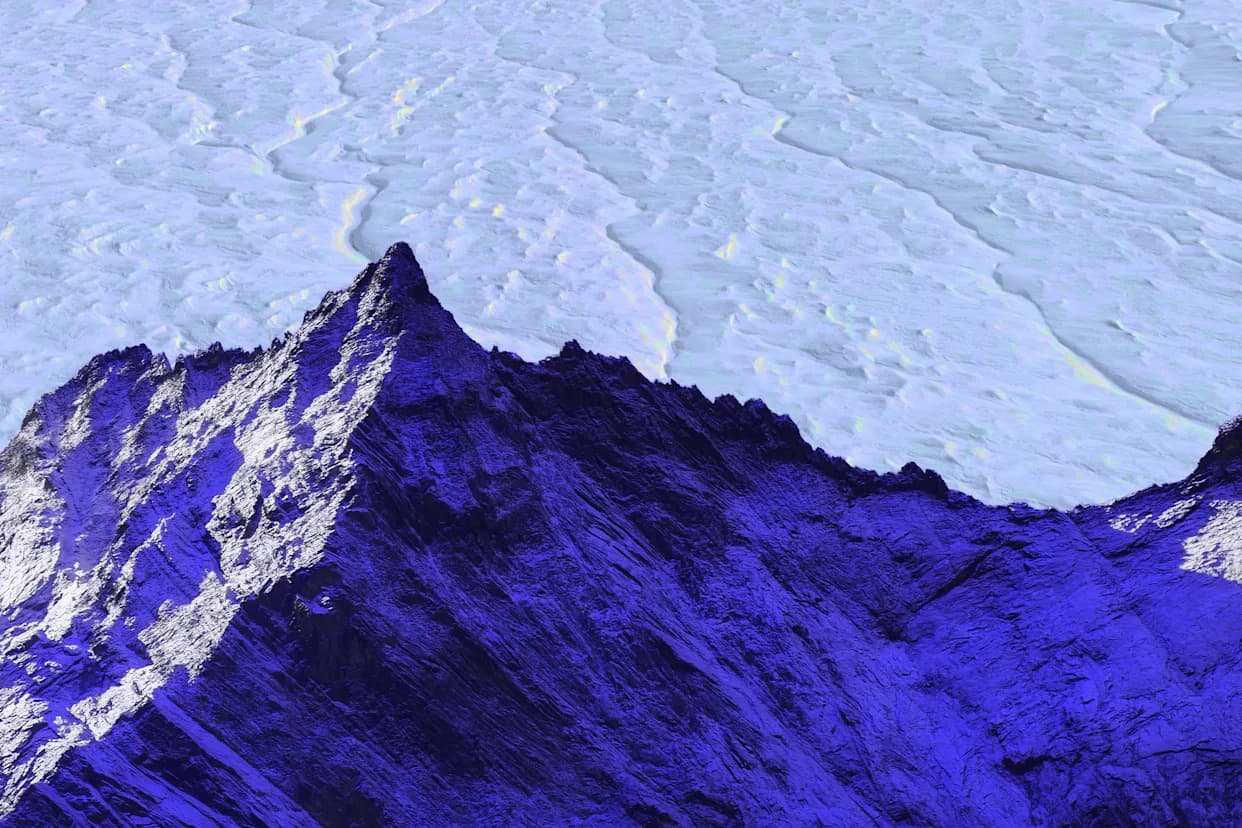
The map shows the relocated Yellowstone seismicity recorded from 2008 to 2022.
The analysis identified roughly ten times the number of events in previous catalogs. Of the detected events, the team successfully relocated more than 67,000 into improved positions, revealing clusters of small earthquakes—known as swarms—that often recur in nearly the same place, sometimes years apart.
What Might Be Causing the Swarms?
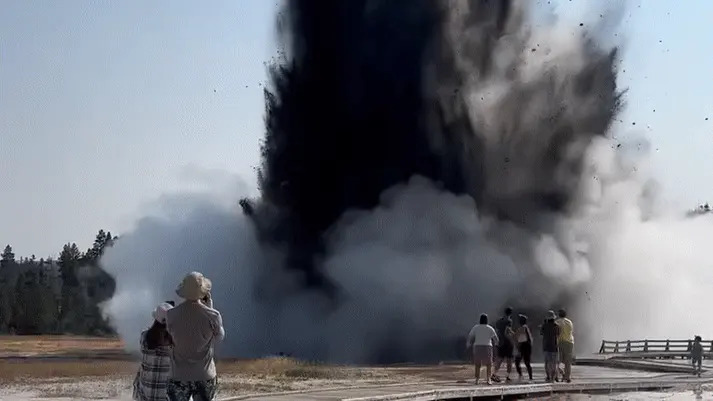
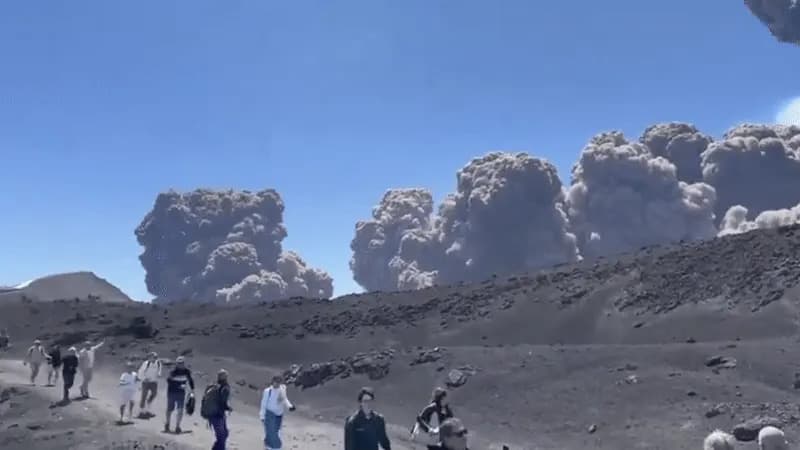
A localized hydrothermal explosion at Yellowstone National Park sent terrified people running and forced officials to close Biscuit Basin.
Co-author David Shelly of the U.S. Geological Survey explained that much of the activity appears linked to fluids moving deep underground. "Water or other fluids can change pressure on faults, triggering a burst of small quakes, then remain quiescent for years before migrating again," Shelly said. This migrating-fluid hypothesis helps explain why adjacent swarms can occur intermittently in the same region.
Why This Matters
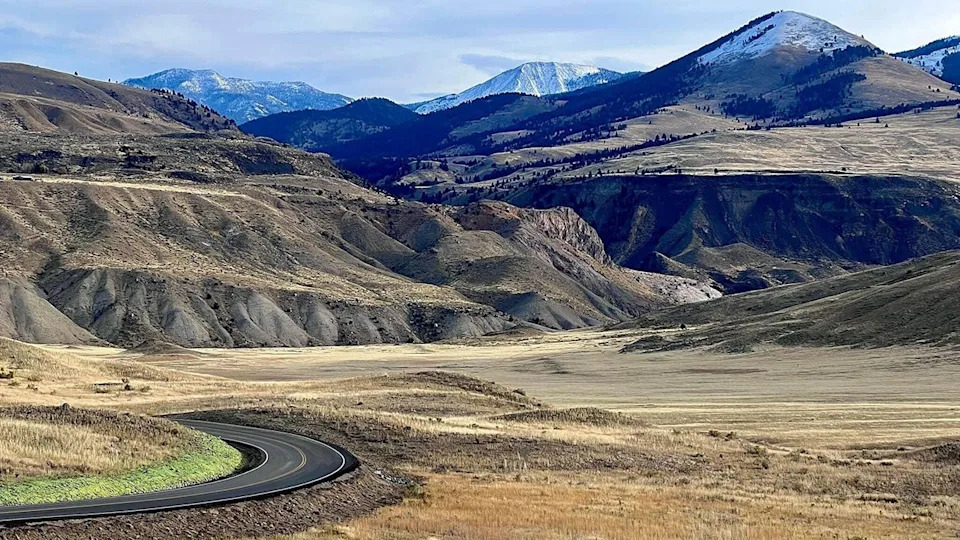
A road cuts through the majestic landscape of Yellowstone National Park in 2022.
Yellowstone is one of the world’s largest active volcanic systems, formed roughly 640,000 years ago. Its caldera spans about 30 by 45 miles and hosts more than 10,000 geothermal features. While large caldera-scale eruptions are extremely rare, improved detection of small quakes helps scientists monitor volcanic and geothermal processes, identify evolving patterns, and enhance disaster preparedness.
Broader Impact
The study demonstrates how AI-driven detection can reveal hidden seismicity in volcanic and geothermal regions worldwide. These tools allow researchers and monitoring agencies to detect subtler signals, better map subsurface processes, and improve early warning and response strategies.
"We monitor earthquakes as disaster preparedness and response," Shelly said. "These tools are helping with the things that we do every day in that realm."
Overall, the research highlights the value of machine learning for deepening our understanding of seismic behavior at Yellowstone and other complex geological systems.
Help us improve.