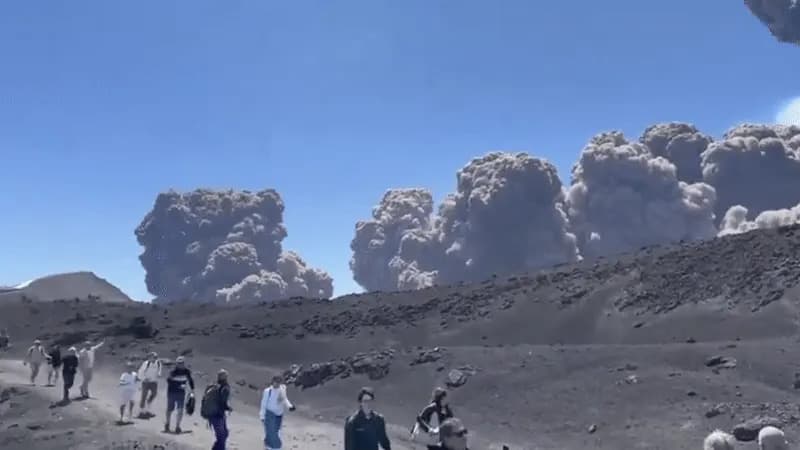
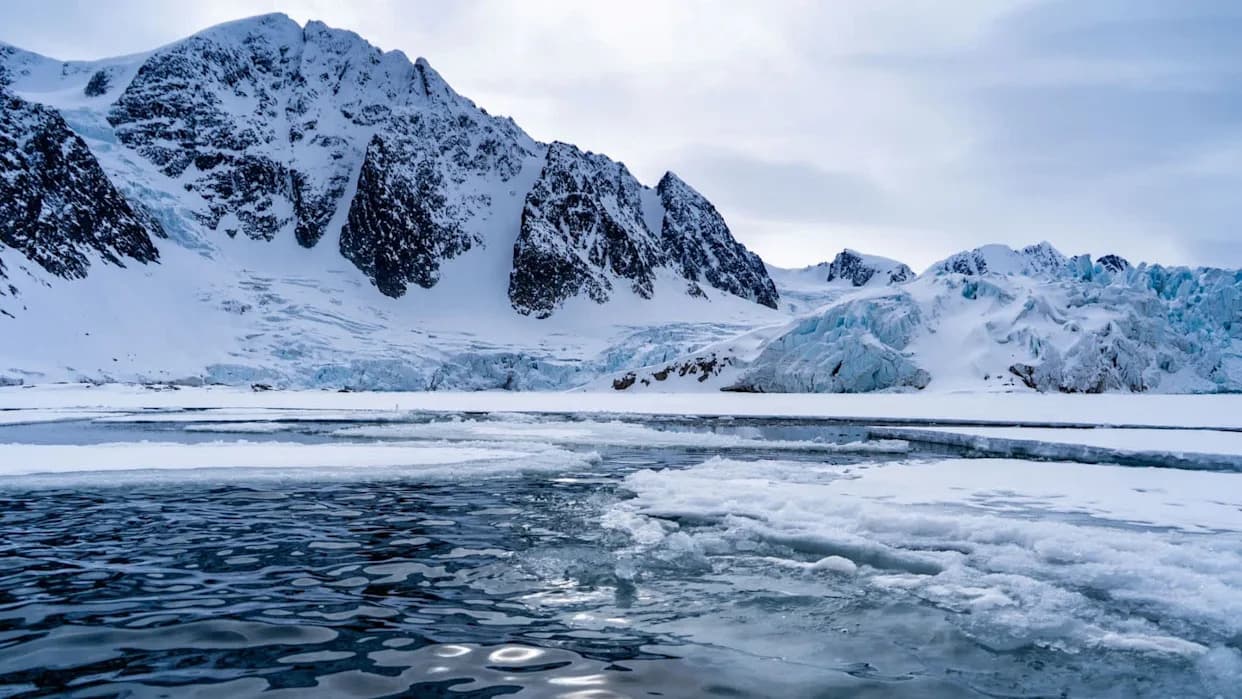
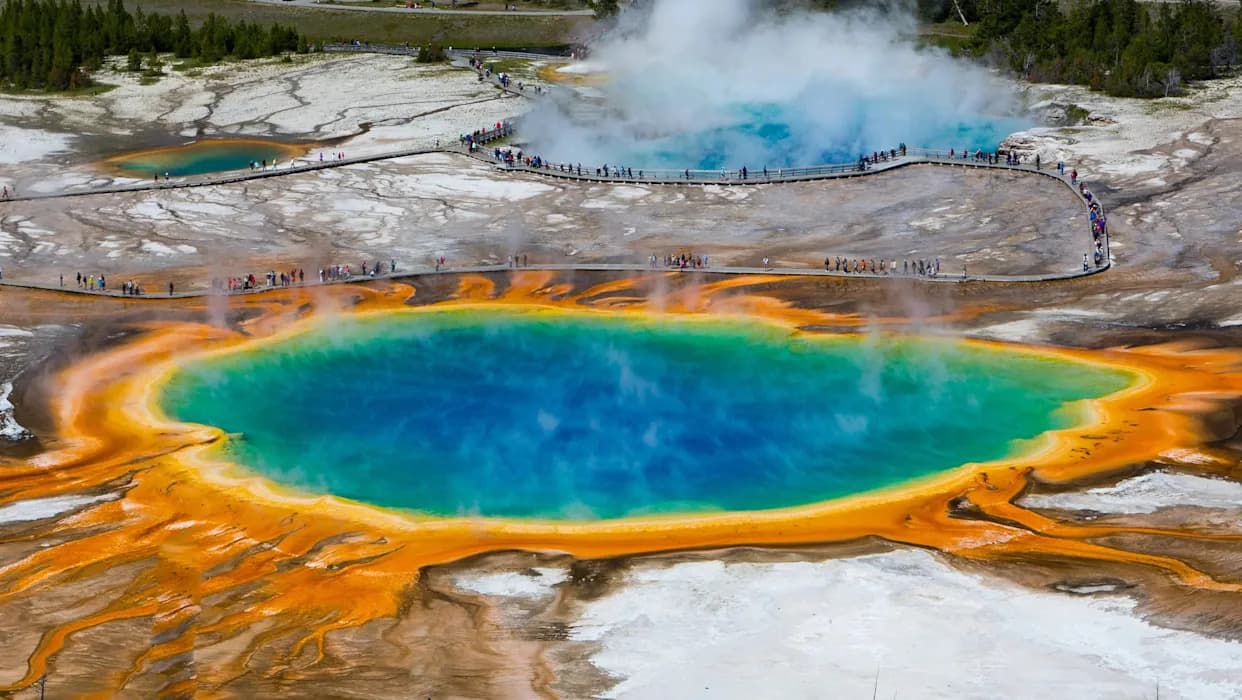
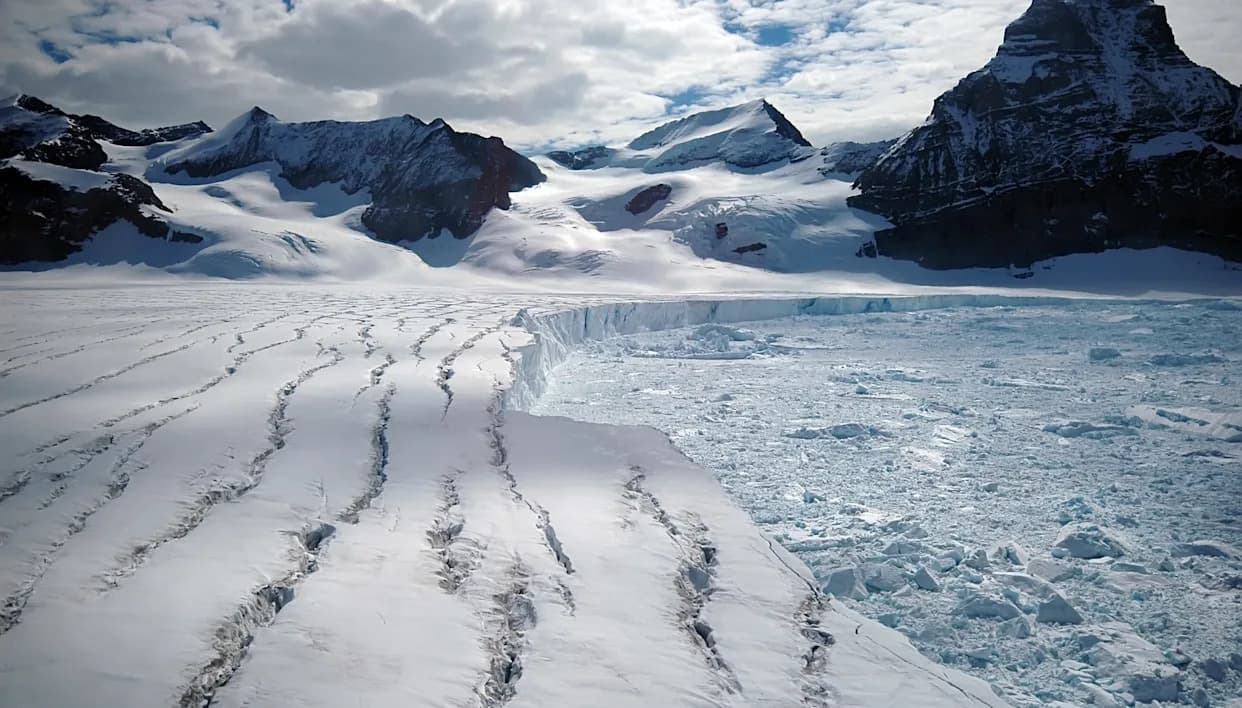
Melting glaciers can reduce the pressure that currently suppresses volcanoes beneath ice, potentially increasing magma production and triggering seismic activity. A 2020 study cited by CNN estimates about 245 ice-covered volcanoes worldwide; seismic swarms beneath Iceland’s Bárðarbunga have raised concerns after its major 2014 eruption. Scientists are studying past deglaciation—when volcanism rose dramatically—to evaluate how modern warming could reshape volcanic hazards.
Melting Ice Could Wake ‘Ice-Covered’ Volcanoes — Scientists Warn Of Rising Volcanic Risk
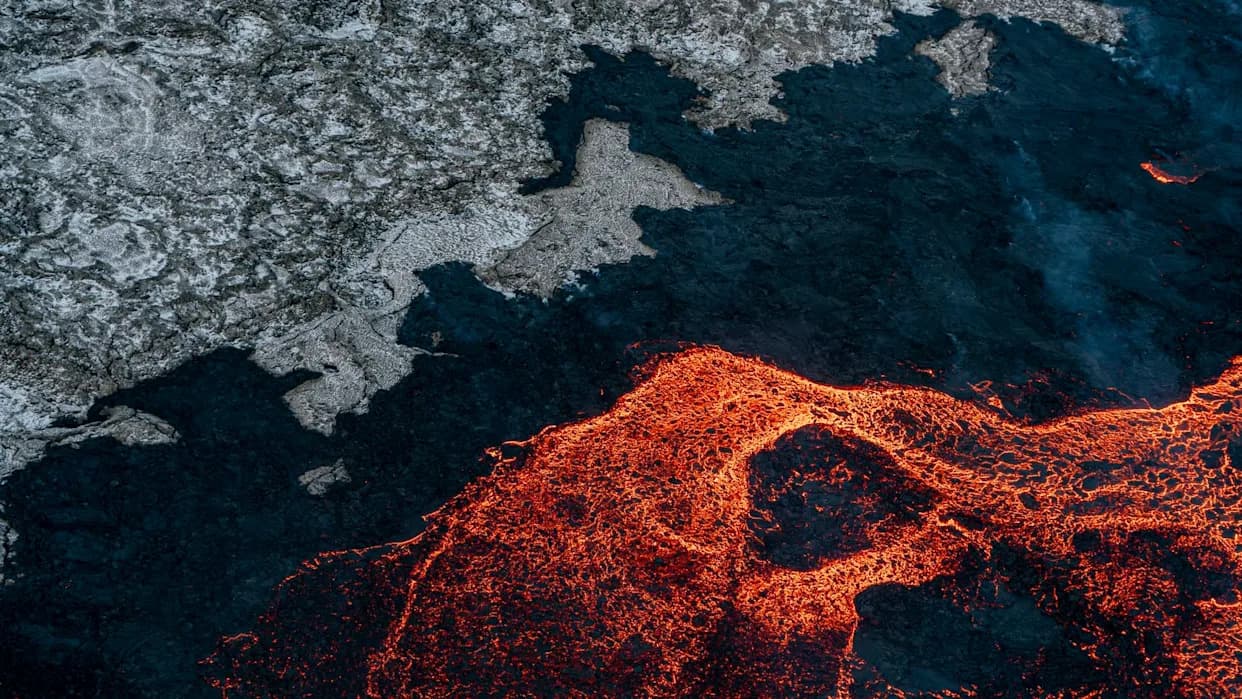
Photo Credit: iStock
Scientists warn that melting glaciers can do more than raise sea levels: they can also change how volcanoes beneath ice behave. A 2020 study cited by CNN estimates roughly 245 volcanoes worldwide are partly or completely covered by ice, and loss of that ice can alter subsurface pressure and magma production.
How Melting Ice Affects Volcanoes
The weight of glacial ice suppresses the crust and helps keep magma plumbing systems stable. As ice thins or disappears, that pressure is released, the crust can rebound, and magma production and movement can increase — sometimes triggering seismic swarms and eruptions.
Evidence From Iceland
Seismic activity beneath Iceland’s Bárðarbunga volcano, which lies under the Vatnajökull ice cap, has raised concern. Bárðarbunga’s caldera covers about 25 square miles and is packed with ice; when molten rock interacts with ice, explosive interactions and flooding can occur. The volcano’s 2014 reawakening produced Iceland’s largest eruption in more than 200 years, sending lava fountains hundreds of feet high.
Past Lessons And Global Reach
After the last Ice Age, deglaciation in Iceland coincided with a dramatic rise in volcanic activity — roughly 30– to 50‑fold for about 1,500 years, according to researchers including Michelle Parks of the Icelandic Meteorological Office (as reported by CNN). Ice-covered volcanoes are not unique to Iceland: they also occur in Alaska, British Columbia, California, Russia’s Kamchatka Peninsula, the Andes, and Antarctica, making this a global concern.
Population Exposure And Regional Differences
Geosciences professor Ben Edwards estimates that about 160 million people live within 60 miles of an ice-covered volcano, and roughly 200,000 live within 3 miles. In the Chilean Andes and other regions where tectonics push ice downward, volcanoes can respond differently to ice loss and are often closer to population centers, increasing hazard potential.
Ongoing Research And Uncertainties
Researchers such as University of Wisconsin–Madison’s Pablo Moreno-Yaeger are using crystal dating and other techniques to reconstruct past eruptions and timing. While thick ice can suppress explosive eruptions for a time, scientists caution that it is uncertain how long ice will continue to contain magma pressure as the planet warms. As Moreno-Yaeger put it,
"When we talk about climate change, we are always talking about chaos."
What This Means: Melting glaciers may increase volcanic activity in some regions, but the timing, magnitude, and local impacts are complex and depend on geology, ice thickness, and regional tectonics. Continued monitoring and improved models are essential to assess risks and inform nearby communities.
Help us improve.