Earthquake "weather" is a myth: surface conditions like calm, warm or foggy days do not trigger quakes because weather doesn’t reach the deep faults where seismic stress builds. The recent San Ramon swarm was linked to movement on small strands near the Calaveras Fault, not local weather. Modern instruments and widespread alerts make small quakes more noticeable today; experts urge preparedness — secure furniture, practice Drop, Cover, and Hold On, and assemble an emergency kit.
Earthquake Weather? Scientists Debunk The Myth — What The San Ramon Swarm Actually Shows

The Golden Gate Bridge is seen through a mix of rain and splashing bay water in Sausalito, California on January 5, 2023. (Photo by JOSH EDELSON/AFP via Getty Images)
After a recent swarm of small earthquakes near San Ramon, many Bay Area residents asked the familiar question: Is this earthquake weather? While the idea that calm, warm, or foggy conditions can trigger quakes is widespread, scientists say it has no basis in seismology.
Why The Myth Persists
The belief in "earthquake weather" dates back centuries. People naturally notice coincidences — an earthquake on a sunny day, or a series of tremors during a foggy morning — and infer a connection. In California, the weather patterns people associate with quake days are common, so overlap with seismic activity happens often by chance.
What Actually Causes Earthquakes
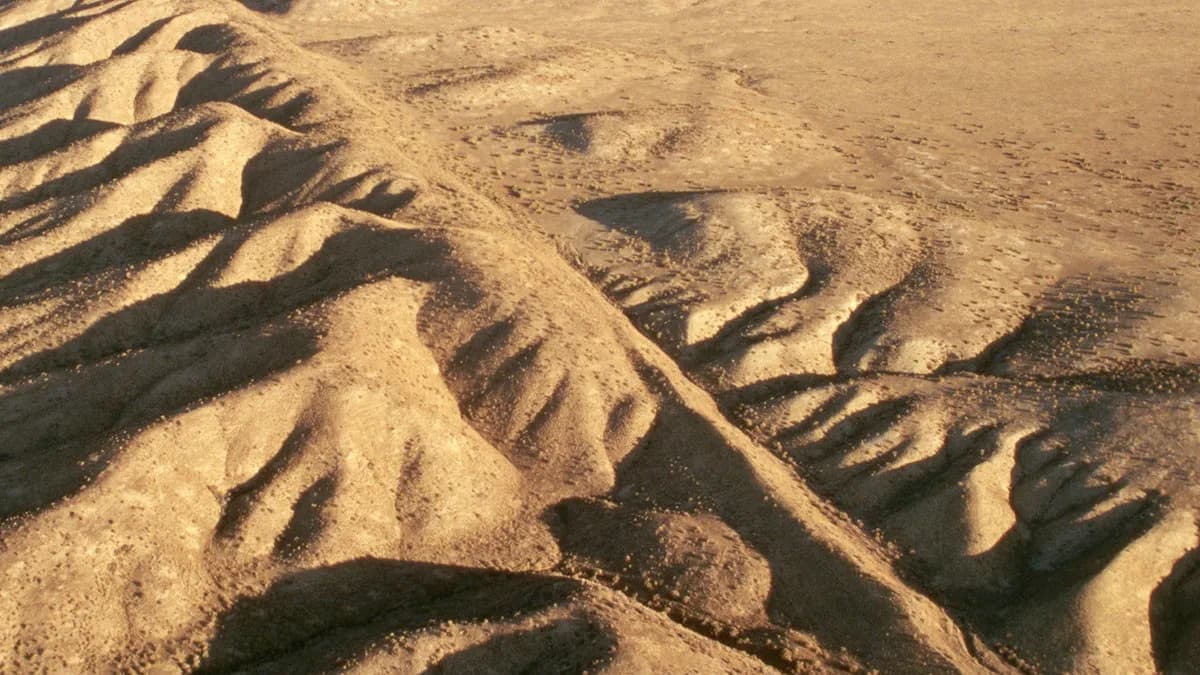
Earthquakes result from stress building and releasing along faults deep beneath the surface, often miles underground. Surface weather — rain, wind, temperature swings, or barometric-pressure changes — affects only the shallow crust and atmosphere and does not reach depths where tectonic stress accumulates. Large active faults such as the San Andreas and Calaveras are driven by tectonic plate motions, not short-term surface conditions.
The San Ramon Swarm
Seismologists link the recent San Ramon swarm to movement on smaller fault strands near the Calaveras Fault, part of the Bay Area's active fault system. Swarms — clusters of many small quakes over days or weeks — attract attention because people feel repeated shaking in a short period. Scientists emphasize that swarms are common in the region, are not caused by surface weather, and do not necessarily indicate a large quake is imminent.
What Weather Can Do (And What It Can’t)
- Heavy rainfall can increase groundwater or destabilize shallow soils and sometimes contribute to landslides or localized ground movement.
- There is no convincing evidence that storms or normal weather patterns trigger earthquakes on major tectonic faults.
Why Quakes Seem More Frequent
Two main factors explain the impression of increased seismicity: modern seismometers detect many more small quakes than instruments did decades ago, and apps, alerts, and social media make people far more aware of every shake. In reality, earthquakes have long been happening; we are simply better at detecting and sharing them.
Practical Advice
Instead of looking for a weather link, experts urge preparedness. Simple, effective steps include:
- Secure heavy furniture and appliances to walls.
- Learn and practice Drop, Cover, and Hold On.
- Keep an emergency kit stocked with water, food, meds, and important documents.
- Review family and workplace emergency plans regularly.
We can’t predict when or where earthquakes will strike, but preparation reduces risk and improves safety.
Original reporting by Roberta Gonzales of KTVU.
Help us improve.