SpaceX has activated free Starlink connections for some Iranian users amid a harsh government crackdown. Dormant accounts are reportedly reconnecting and subscription fees were waived, though the service will likely reach only a small share of Iran’s 92 million people. Human-rights groups say internet restrictions coincided with more than 1,800 reported protester deaths, and authorities are attempting to jam satellite signals. Activists argue wider Starlink access could help document abuses but face technical and legal risks.
SpaceX Activates Free Starlink Connections for Some Iranians Amid Brutal Crackdown

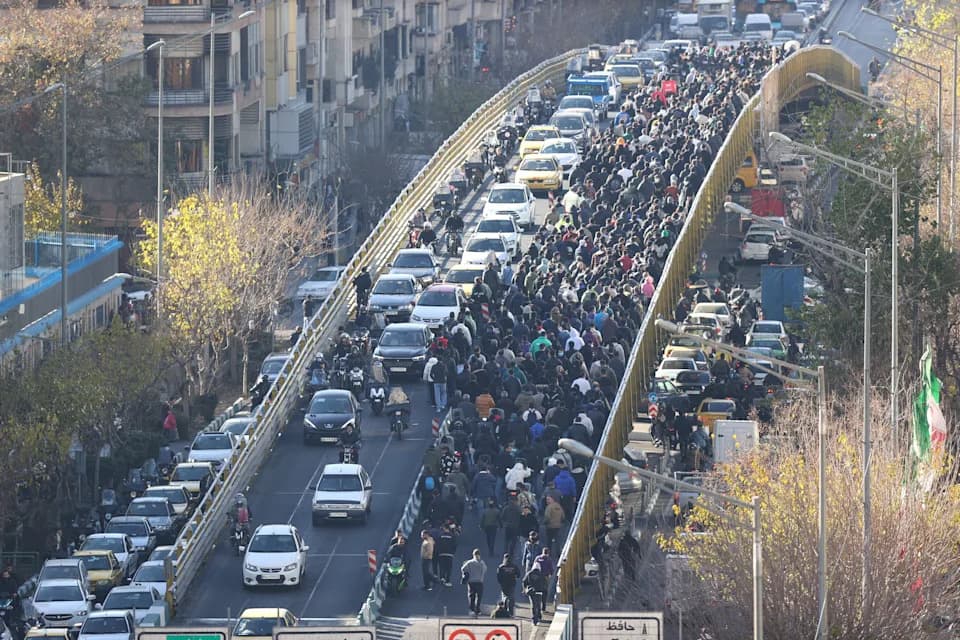
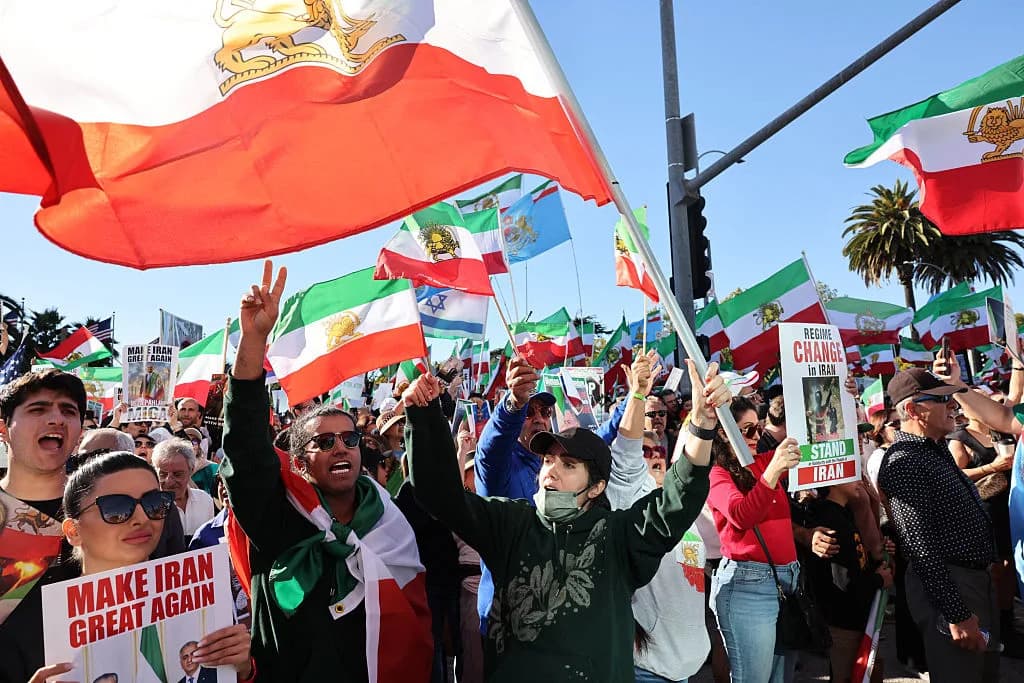
Iranians gather while blocking a street during a protest in Tehran, Iran on January 9, 2026. - Khoshiran/Middle East Images/AFP/Getty Images
SpaceX has enabled free Starlink satellite internet connections for some users inside Iran as the government intensifies its crackdown on nationwide protests, a technology expert with direct contact with Iranian users told CNN.
Ahmad Ahmadian, executive director of the technology nonprofit Holistic Resilience, said accounts that had been dormant are now connecting and subscription fees were waived "as of Tuesday." "It’s plug and connect — just put [the satellite terminal] somewhere that has access to a clear view of the sky, and you’re good to go," he said.
The move follows a reported phone call earlier this week between U.S. President Donald Trump and Elon Musk about Starlink access in Iran. SpaceX and the White House did not respond to requests for comment.
For several days Iranian authorities have severely restricted internet access, and human rights monitors say security forces have killed more than 1,800 protesters during the communications blackout — a toll that could be higher because the shutdown has hampered verification.
Limited Reach and Technical Risks
Experts caution that free Starlink access will likely reach only a small fraction of Iran’s roughly 92 million people. Satellite service requires ground terminals, clear sky views, and power — all of which can be difficult to secure during violent unrest.
Analysts also warn Tehran has tools to interfere with satellite reception. "They’ve created their own Great Firewall that blocks everything but approved traffic," Doug Madory of network monitoring firm Kentik told CNN, and Iranian authorities are reportedly using jamming techniques — some described as "military-grade" — to degrade Starlink signals, similar to tactics used against terminals in Ukraine.
"In some cases Starlink has been the only way to get the information out" about protesters being killed, Ahmadian said.
Activists, Estimates and U.S. Assistance
Mahsa Alimardani, a technology specialist at the human rights organization Witness, said Starlink has provided "a small window" into the crackdown. Estimates cited by activists place the number of Starlink receivers in Iran at roughly 50,000 — a meaningful but limited footprint.
Starlink is not officially licensed in Iran, and Iranian authorities criminalized its use after last year’s 12-day conflict between Israel and Iran. Human-rights groups report arrests and harsh penalties for some users, and activists say demand surged despite those risks.
Beyond satellites, the U.S. government has long funded tools such as virtual private networks (VPNs) and other anti-censorship technologies to help Iranians circumvent restrictions. Funding for some of those programs was cut last year amid broader reductions in U.S. foreign assistance, and at least one organization that helped distribute Starlink terminals reportedly lost U.S. funding.
Why This Matters
Expanding satellite access could help document abuses and get information out of Iran when national networks are blocked, but technical, legal, and safety obstacles limit immediate impact. Observers say broader connectivity could act as both a practical aid for activists and a form of soft power — yet it is not a silver bullet and remains vulnerable to state countermeasures.
Help us improve.