The Trump administration directed the federal probe into the Minneapolis ICE shooting away from the officer involved and toward Renee Good, prompting at least six resignations at the Minnesota U.S. Attorney’s Office. Deputy Attorney General Todd Blanche said there is "no basis for a criminal civil rights investigation," and DOJ civil rights lawyers were reportedly barred from assisting. Local prosecutors say they are blocked from accessing key evidence collected by the FBI, complicating the state's review.
Federal Directives to Spotlight Renee Good Roil Minnesota U.S. Attorney’s Office, Trigger Resignations
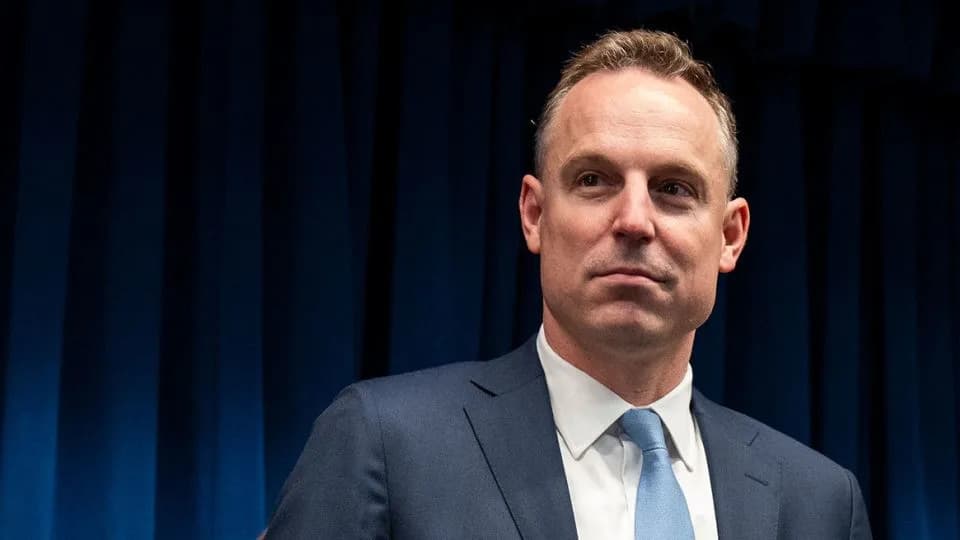
Assistant US Attorney Joe Thompson speaks during a news conference at the federal courthouse in Minneapolis, on June 7, 2024. - Leila Navidi/Minnesota Star Tribune/AP/File
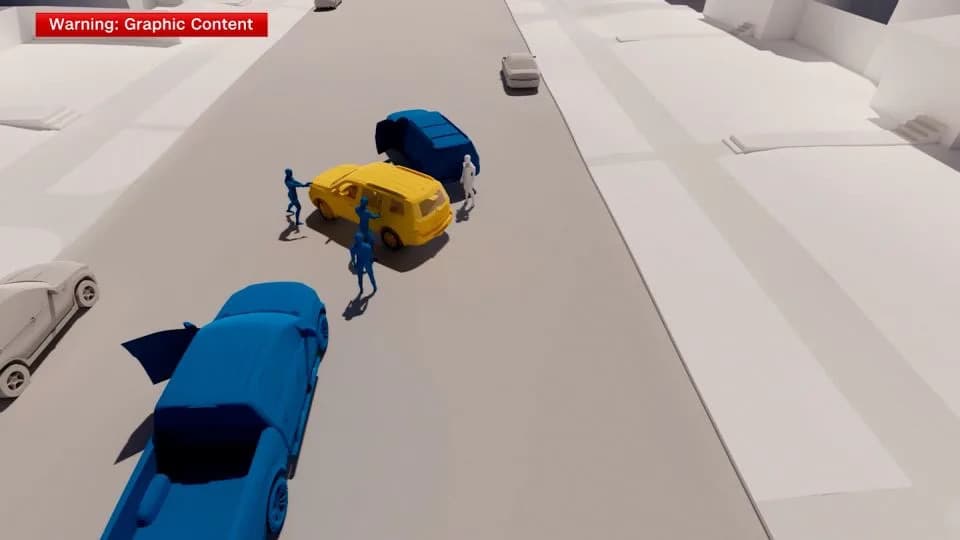
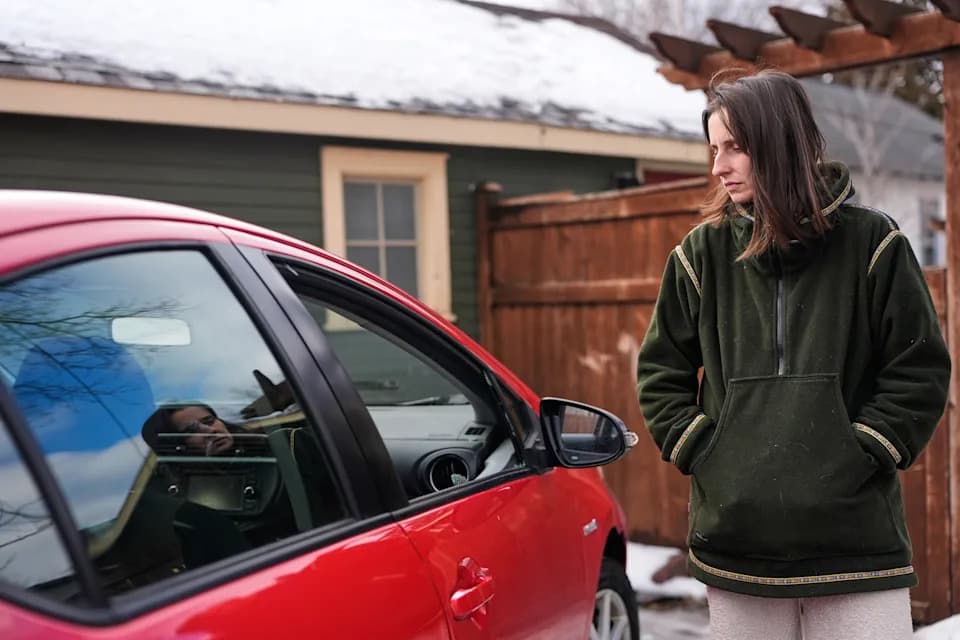
The Trump administration's decision to steer the federal probe into the Minneapolis ICE shooting away from the officer who fired the shots and toward Renee Good and people nearby has thrown the U.S. Attorney's Office in Minnesota into turmoil.
Sources tell CNN that at least half a dozen federal prosecutors in Minnesota resigned amid escalating tensions between state and federal officials following the Wednesday shooting. The White House and other senior officials quickly asserted that ICE Agent Jonathan Ross acted appropriately and suggested scrutiny should focus on Good and those around her.
“There is currently no basis for a criminal civil rights investigation,”
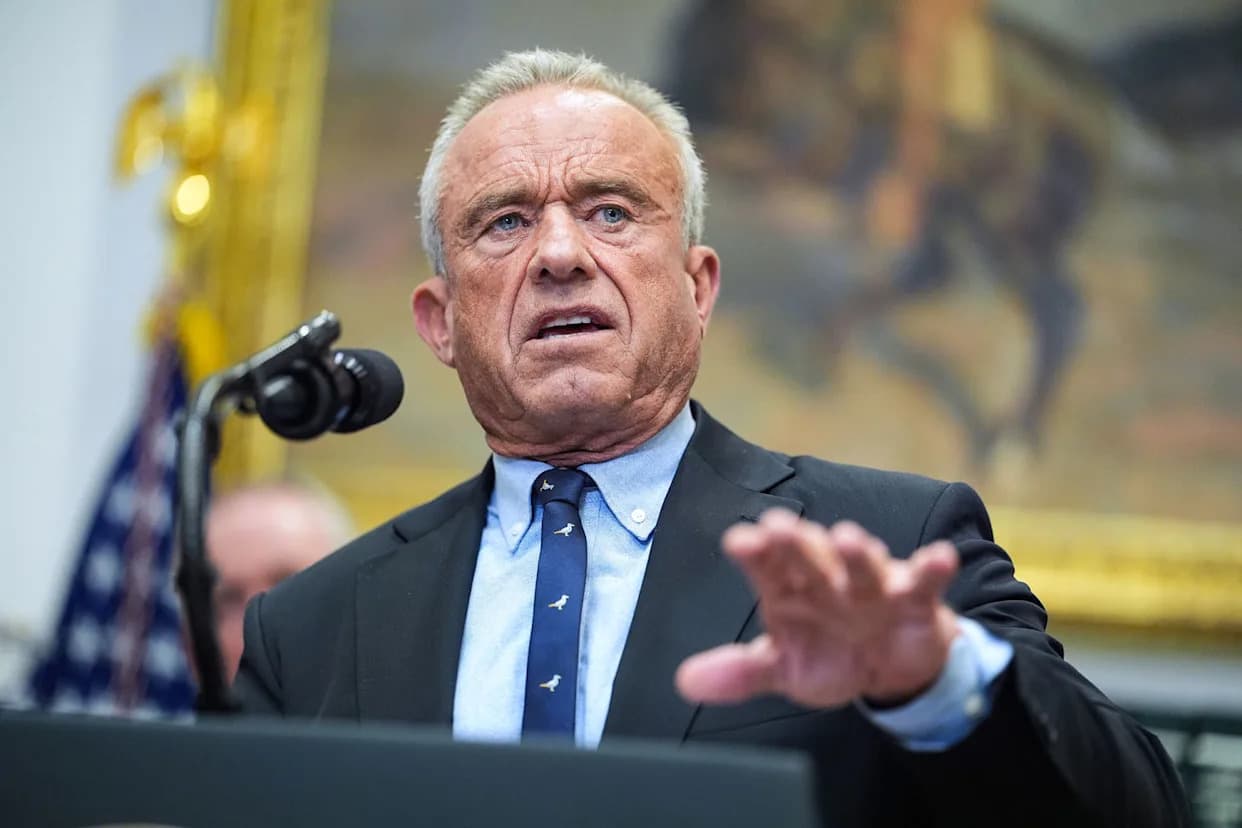
Deputy Attorney General Todd Blanche said in a statement to CNN on Tuesday — the clearest sign yet that federal investigators are not examining the conduct of the ICE officer, even as they have blocked local authorities from exercising jurisdiction in the matter.
Among those who stepped down were Joseph Thompson, the second-in-command at the U.S. Attorney's Office in Minnesota, and Harry Jacobs, a senior prosecutor who with Thompson led the Justice Department’s long-running effort to prosecute social-services fraud, according to people familiar with the departures.
Federal prosecutors in Minneapolis initially reached a routine agreement with local prosecutors and the Minnesota Bureau of Criminal Apprehension to conduct a joint inquiry. But Minnesota officials later say the FBI informed them that the U.S. Attorney’s Office had ordered federal agents to handle the investigation alone, excluding local participation — a decision sources say was driven from Washington.
At the same time, lawyers in the Justice Department’s Civil Rights Division were reportedly told not to assist in the probe. Historically, the Civil Rights Division has often launched reviews of law-enforcement shootings, potential police brutality, or possible hate crimes to determine whether officers violated a victim’s civil rights — even when such reviews do not result in charges. Departing from this practice is widely seen as unusual.
Officials in Washington have cited concerns about leaks and the risk that ICE agents involved could be doxxed, according to Vice President JD Vance, who told reporters those worries helped motivate the federal approach. The case has also featured atypical developments for an FBI-led inquiry: a key piece of evidence, video shot on the cellphone of the officer who fired, became public through a conservative Minnesota media outlet, and senior officials including President Donald Trump and Homeland Security Secretary Kristi Noem publicly described the officer’s actions as justified.
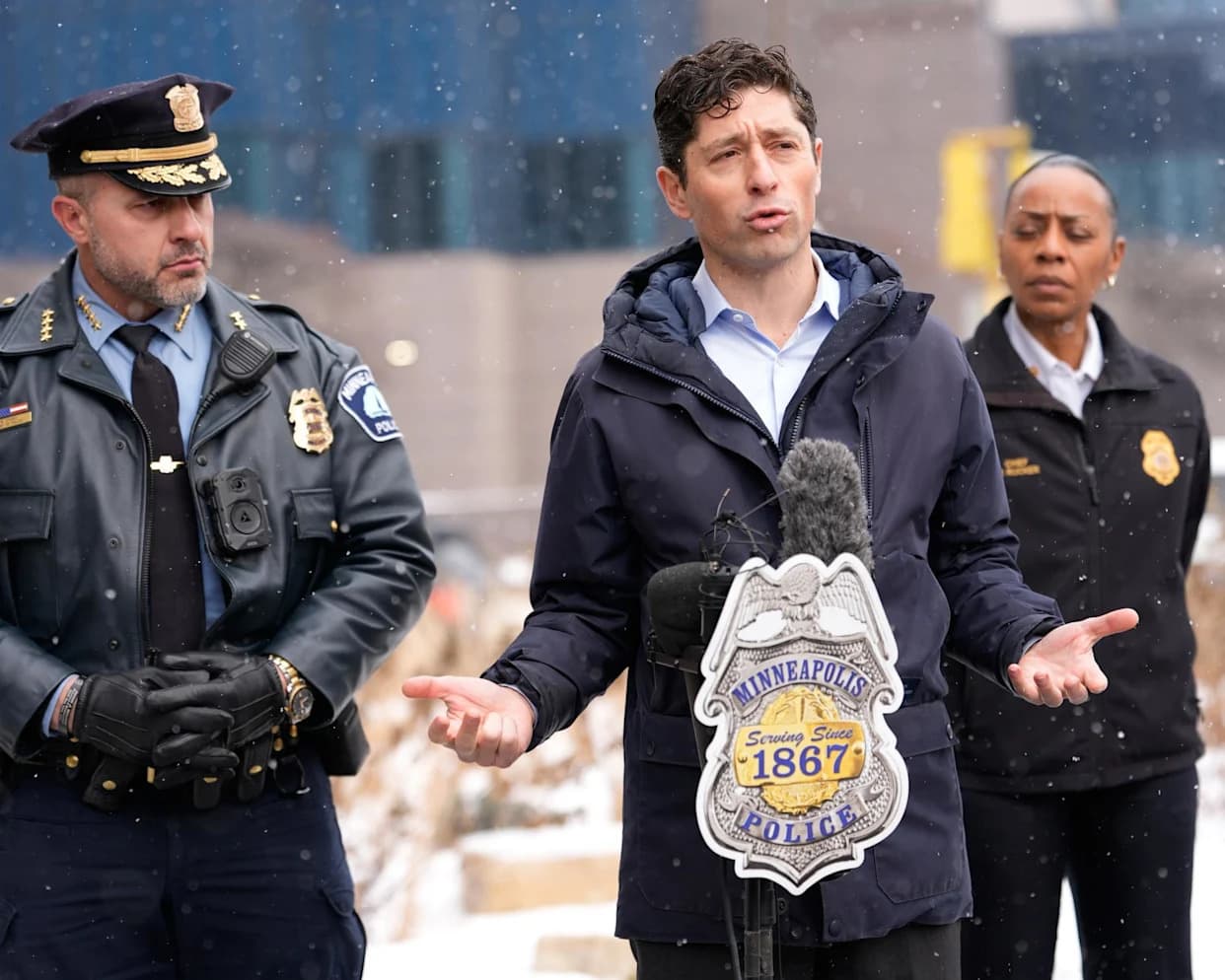
Minnesota leaders have asked the public to share any video and other materials that could assist state investigators. But local prosecutors say they have been hamstrung by federal restrictions on access to evidence collected by the FBI. Mary Moriarty, the Hennepin County Attorney, told CNN’s Kasie Hunt that local prosecutors currently lack access to Good’s vehicle, shell casings recovered at the scene, and other investigative materials gathered by federal agents.
The unfolding dispute raises questions about standard procedures for federal officer-involved shootings, intergovernmental trust, and how evidence and jurisdiction are handled when local and federal authorities disagree. The situation remains fluid as multiple investigations and public statements continue to evolve.
Help us improve.