Virginia Democrats, now in unified control of state government, are preparing a contentious redistricting push that could shift the U.S. House delegation from 6-5 Democratic to as much as 10-1. Party strategists are split between an aggressive plan and a more cautious approach aimed at winning voter approval in a likely April special election. Republicans and legal challengers argue the effort would reverse independent mapmaking, and a pending Supreme Court ruling on voting-rights law could reshape outcomes nationally.
Virginia Democrats Move to Redraw Maps — Push Could Turn 6-5 Delegation Into 10-1

Virginia Democrats are launching a high-stakes redistricting push this spring that could reshape the state's U.S. House delegation from a 6-5 Democratic edge to as much as 10-1. The effort has exposed a sharp internal debate over how aggressive to be and raised legal and political questions about whether voters will approve a fast-track referendum to give lawmakers authority to redraw congressional lines.
What’s At Stake
Democratic leaders, buoyed by last year’s statewide wins and unified control of the General Assembly, are weighing whether to pursue an aggressive map that could eliminate most Republican-held districts or adopt a more modest plan aimed at maximizing voter support for a special election in April. Under current proposals, Democrats could net three or four seats.
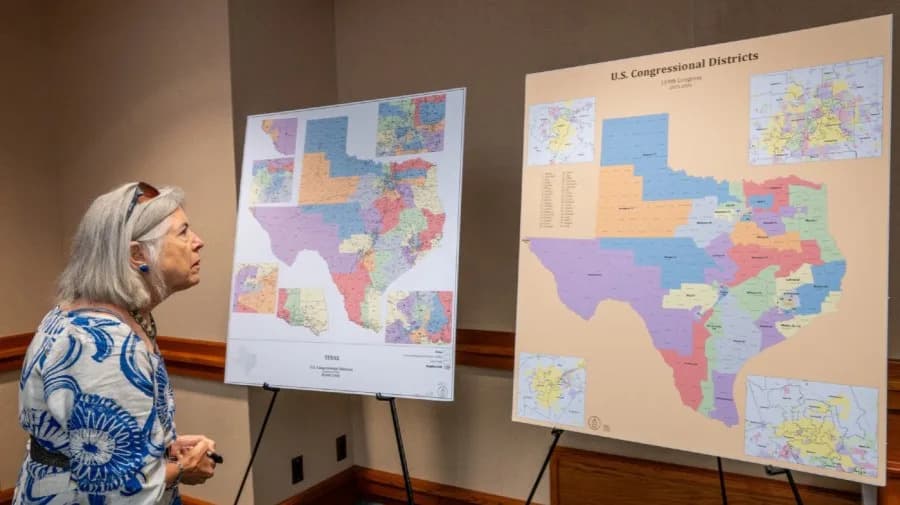
Proposed Maps
The National Democratic Redistricting Commission (NDRC) has presented two options to state lawmakers: a 9-2 map that would preserve Republican-held districts represented by Reps. Ben Cline and Morgan Griffith, and a more aggressive plan that largely spares Griffith’s seat and could produce a 10-1 Democratic majority, a development first reported by Punchbowl News.
Internal Debate
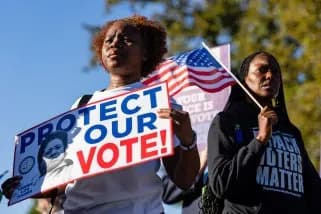
Some Democrats argue a bold response is needed to counteract what they call brazen GOP gerrymanders in other states, often driven by pressure from national Republicans. John Bisognano, president of the NDRC, framed the effort as part of a larger battle over congressional lines nationwide. Others caution that an overtly partisan map could jeopardize voter approval of the referendum and invite intensified legal challenges.
"We want to get as much as we can, but we also want the referendum to pass," Rep. Don Beyer (D-Va.) told POLITICO, noting that an expected Supreme Court ruling on voting-rights law this year could change the national landscape.
Republican Reaction And Legal Challenges
Republican lawmakers and conservative lawyers have denounced the push, arguing it undercuts the bipartisan redistricting framework voters approved five years ago and could mark the end of independent mapmaking in Virginia. State Sen. Ryan McDougle, the Senate GOP leader, and consultants such as Michael Young characterize the move as unlawful and are among those mounting legal challenges.
National Context And The Courts
The timing of Virginia’s effort coincides with redistricting activity in other states — including a mid-cycle push in Florida and ballot measures in California — and with a likely Supreme Court ruling on Voting Rights Act-related issues that could limit how race may be considered in drawing districts. Observers warn that the high court’s decision could reshape opportunities for both parties nationwide.
Next Steps
After the General Assembly convenes, lawmakers are expected to approve the procedural measures that would allow Gov.-elect Abigail Spanberger to call a special election in the spring. That vote would send a question to voters on whether to empower legislators to amend the state constitution and approve new congressional maps. If approved, Virginia would need to adjust election calendars and filing deadlines for House races — the current filing deadline is April 2, according to the Virginia Department of Elections.
Key Players: NDRC President John Bisognano; Rep. Don Beyer (D-Va.); Virginia Senate President Pro Tem L. Louise Lucas; House Speaker Don Scott; Senate GOP Leader Ryan McDougle; Virginia Senate Majority Leader Scott Surovell; State Sen. Lamont Bagby; Gov.-elect Abigail Spanberger.
Help us improve.