Some Iranians are reportedly using Elon Musk’s Starlink satellite internet to bypass a near‑total communications blackout imposed during a deadly crackdown on protests. NetBlocks reports non‑satellite connectivity in Iran at about 1% of normal levels since January 8, while Starlink access remains ‘‘patchy, but still there.’’ Experts say terminals could be disrupted by jamming or equipment seizures; Starlink is banned in Iran and standard hardware costs about $599 plus monthly fees.
Elon Musk’s Starlink Keeps Parts of Iran Online Amid Nationwide Blackout, Sources Say

FILE PHOTO: SpaceX founder and Tesla CEO Elon Musk speaks on a screen during the Mobile World Congress (MWC) in Barcelona, Spain, June 29, 2021. REUTERS/Nacho Doce/File Photo
Jan 12 (Reuters) — Some Iranians are reportedly maintaining internet access through Elon Musk’s Starlink satellite service despite a near‑total national communications blackout, three people inside the country told Reuters. The reports highlight how low‑earth orbit satellite links can help people circumvent state‑imposed shutdowns in geopolitical flashpoints.
Iranian authorities have in recent days launched a deadly crackdown on nationwide protests and implemented an almost complete cutoff of conventional internet services, which normally rely on fiber‑optic networks and cellular towers. According to internet‑monitoring group NetBlocks, non‑satellite connectivity in Iran has been around 1% of normal levels since January 8.
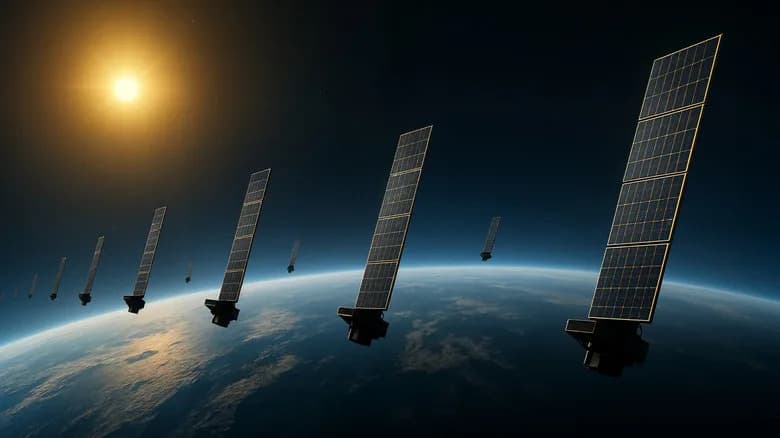
Because Starlink delivers connectivity directly from thousands of low‑earth orbit satellites to user terminals, the service remains available in some parts of Iran despite an official ban, the three users said. One user in western Iran told Reuters he knew dozens of people using Starlink; residents in some border towns and cities reported little disruption to the service.
“It is patchy, but still there,” said Alp Toker, founder of NetBlocks, describing reports of continued Starlink access in the country.
It is unclear how authorities may be disrupting Starlink. Some specialists suggested that jamming of user terminals could be used to overpower their ability to receive signals from satellites. Other possible disruptions include confiscation of equipment or targeted interference with local ground infrastructure.
Starlink, operated by Musk’s privately held U.S. company SpaceX, did not respond to requests for comment. Iranian officials could not be reached amid phone and internet outages; state media say authorities have blamed unrest on terrorists and vowed to protect the governing system.
Starlink’s Growing Role In Conflicts
Starlink has emerged as a communications lifeline in several conflicts and crises. The system has been crucial to Ukrainian forces since Russia’s 2022 invasion; it has also been used by rebel groups, aid organizations and medics in Myanmar during repeated shutdowns, and by parties in Sudan’s prolonged civil conflict.
Musk previously supplied free Starlink terminals and services to Ukraine and has commented publicly about activity levels in Iran. In December 2022 he posted on X that the company was “approaching 100 Starlinks active in Iran.” Standard Starlink hardware currently costs roughly $599 plus a monthly service fee, a price that places it out of reach for many Iranians.
Following a 12‑day conflict between Iran and Israel in June, Iran’s parliament passed a law banning Starlink and introducing severe penalties for using or distributing unlicensed satellite internet equipment, according to Iranian state media.
The persistence of Starlink access in parts of Iran underscores the technical and political challenges governments face when trying to enforce internet shutdowns. For users it also raises legal and safety risks; possessing or using banned communications equipment can carry heavy penalties in Iran.
(Reporting by Supantha Mukherjee, Cassell Bryan‑Low and Parisa Hafezi; Additional reporting by Joey Roulette; Editing by Joe Brock and Bill Berkrot)
Help us improve.