Israel’s recognition of Somaliland has intensified geopolitical competition across the Horn of Africa and the Middle East. Somaliland and Israel plan cooperation on trade, technology and defense, and Somaliland aims to join the Abraham Accords. Critics — including Somalia, the Organization of Islamic Cooperation and the African Union — warn the move threatens sovereignty and could inflame extremist groups such as al-Shabab and the Iran-backed Houthis. The development reshuffles regional alliances and draws interest from major powers concerned with ports, security and influence.
Israel’s Recognition of Somaliland Sparks Regional Backlash and Security Fears
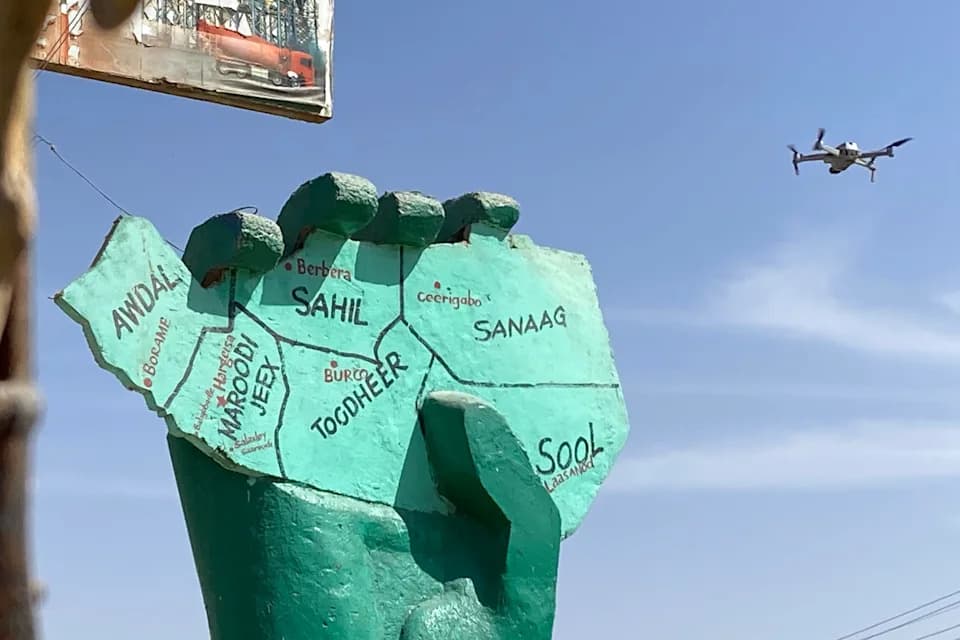
A drone buzzes over a statue in the Somaliland capital of Hargeisa, Feb. 9, 2022. (AP Photo/Cara Anna)(ASSOCIATED PRESS)
Israel’s formal recognition of Somaliland has thrust the self-declared breakaway territory into the international spotlight, prompting sharp reactions across the Horn of Africa and the Middle East and introducing a new fault line in regional rivalries.
Diplomatic Gains and Strategic Aims
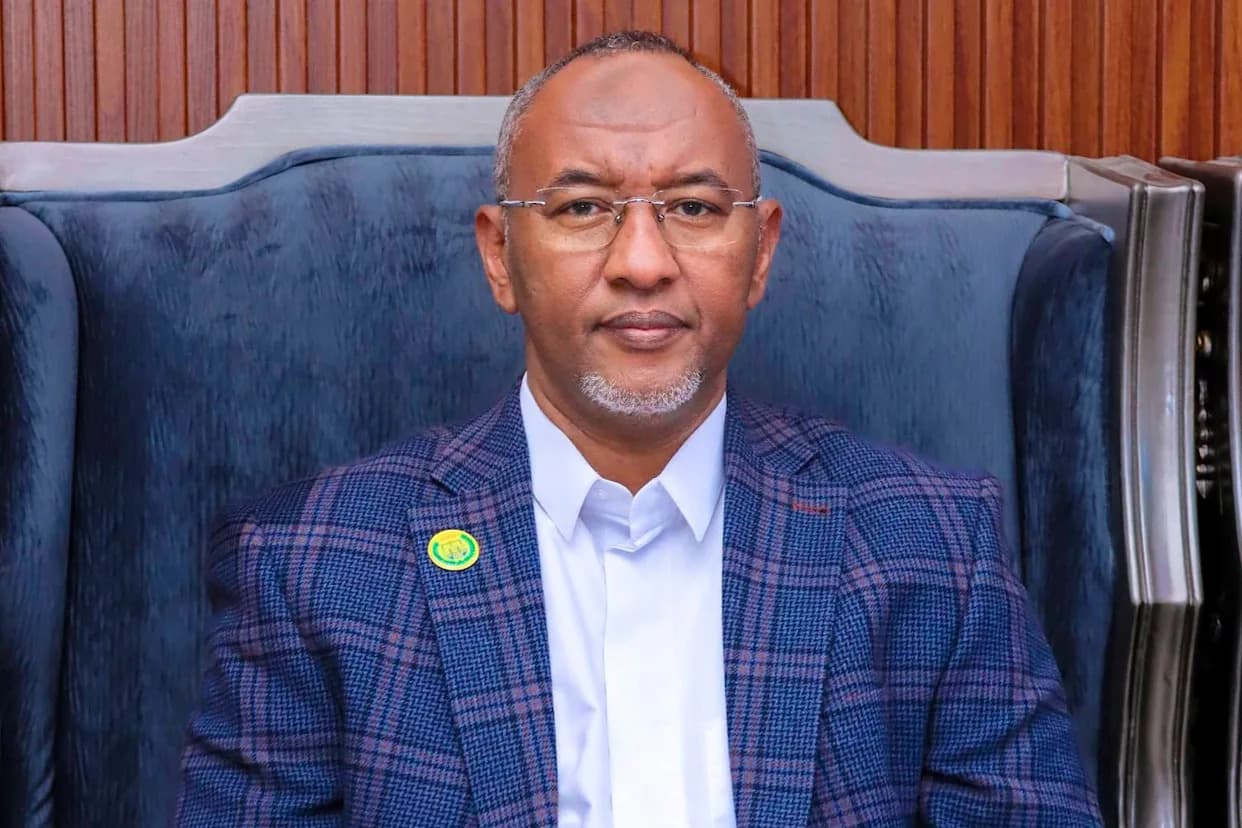
For Israel, recognition of Somaliland offers diplomatic and strategic benefits: it revives discussion of a controversial proposal raised last year about whether Somaliland might host Palestinians displaced from Gaza, and it creates the possibility of a forward base to counter Iran-backed Houthi activity in nearby Yemen. Somaliland’s foreign minister, Abdirahman Dahir Adan, told The Associated Press his government intends to pursue ties with Israel — including applying to join the Abraham Accords — and to deepen cooperation on trade, investment and technology.
Security Concerns and Threats
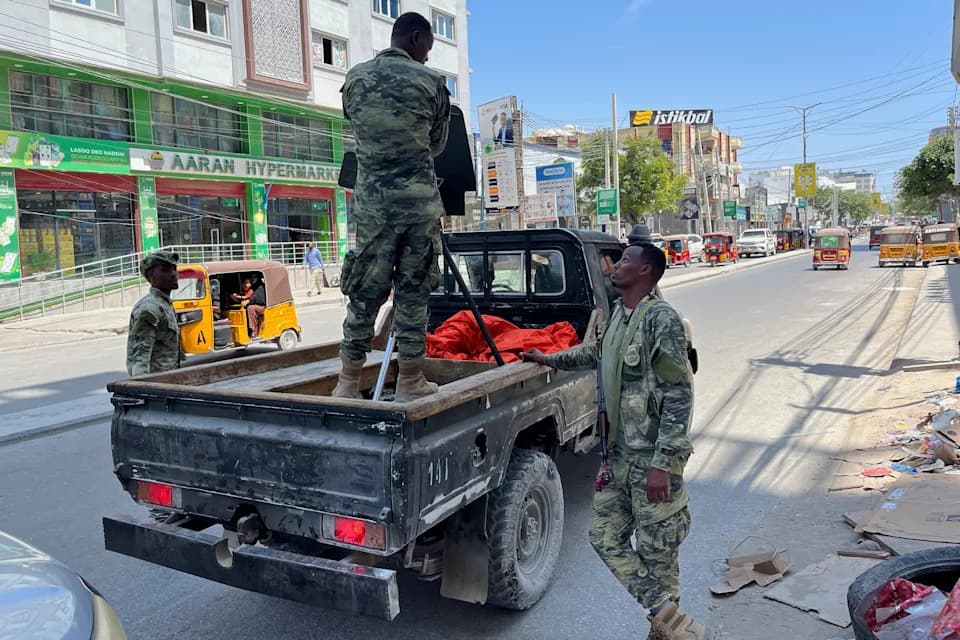
Analysts warn the move could make Somaliland a target. Al-Qaida affiliate al-Shabab, based in Somalia and the country’s main insurgent threat, has issued warnings. “Members of the movement reject Israel’s attempt to claim or use parts of our land. We will not accept this, and we will fight against it,” al-Shabab spokesperson Sheikh Ali Mohamud Rageal said in an audio statement.
“It could increase violence or bring proxy wars,” said Mahad Wasuge, director of the Somali Public Agenda think tank, referring to the risk of foreign bases or greater militarization around Somaliland’s port of Berbera.
Strategic Location and Economic Stakes
Somaliland sits along one of the world’s busiest maritime corridors, less than 100 miles (160 km) across the Gulf of Aden from Yemen. Disruptions there from Houthi attacks have already upended shipping through the Red Sea — a route that carries roughly $1 trillion in goods annually — and raised interest among outside powers in securing alternative positions in the region.
“If you are trying to watch, deter or disrupt Houthi maritime activity, a small footprint in Somaliland can provide disproportionate utility,” said Andreas Krieg, a military analyst at King’s College London.
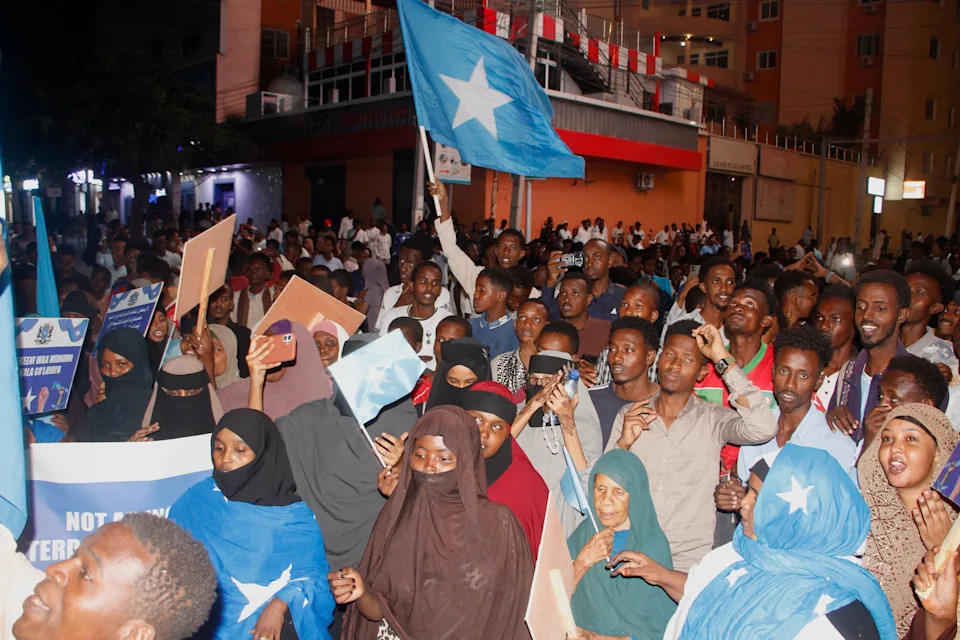
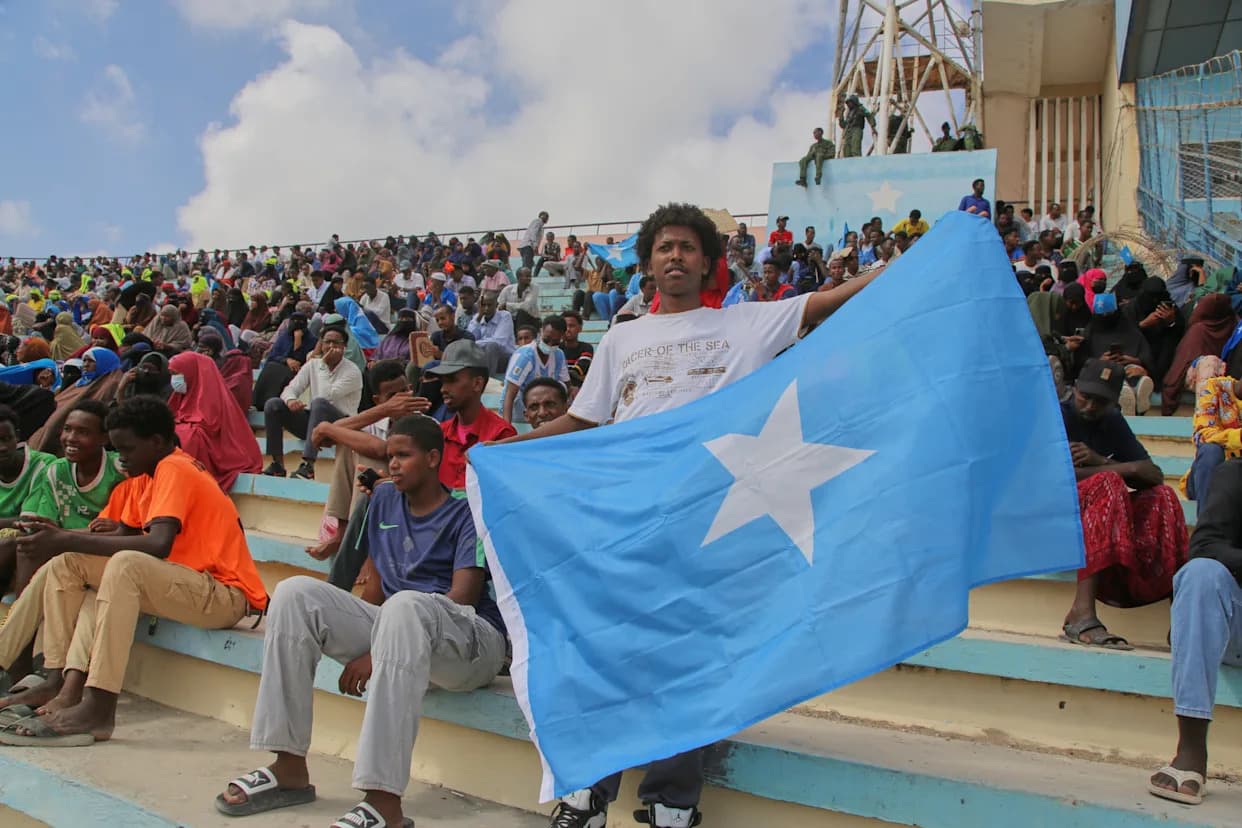
FILE - People protest against Israel's recognition of the self-declared Republic of Somaliland in Mogadishu, Somalia, Jan. 8, 2026. (AP Photo/Farah Abdi Warsameh, File)(ASSOCIATED PRESS)
Regional and International Reactions
Somalia condemned the recognition as a violation of its sovereignty. The Organization of Islamic Cooperation and the African Union also criticized Israel’s move. Somali President Hassan Sheikh Mohamud warned that allowing foreign military bases would further destabilize the region, saying Somalia’s territory “cannot be divided by a piece of paper written by Israel and signed by [Prime Minister Benjamin] Netanyahu.”
Somaliland officials rejected those criticisms and characterized Somalia as a failed state, while urging other nations to follow Israel’s lead. Somaliland’s leaders say they have not discussed formally hosting Palestinians from Gaza, though U.S. and Israeli officials disclosed last year that the idea had been explored.
Great-Power Rivalries and Regional Alignments
The recognition has rippled through regional politics: Somalia annulled security and defense agreements with the United Arab Emirates, a long-time investor in Berbera. Turkey, Somaliland’s largest investor, and China, wary because of Somaliland’s ties to Taiwan, have signaled concern. Landlocked Ethiopia, which depends on access to the sea, has remained publicly cautious as regional actors reassess their positions.
Analysts see the move as part of a broader alignment between Israel and certain Gulf states, notably the UAE, which could prioritize countering extremist threats while recalibrating traditional diplomatic stances.
What Comes Next
Israeli Foreign Minister Gideon Saar recently visited Somaliland, and Somaliland’s president is expected to visit Israel soon. Both sides have said defense cooperation will be part of their relationship, but officials have withheld specifics. Observers caution that the recognition could invite retaliatory attacks or provoke proxy conflicts, raising the stakes for an already volatile neighborhood.
Omar Faruk reported from Mogadishu. Samy Magdy in Cairo and Josef Federman in Jerusalem contributed to this report. This version corrects the name of the Somali Public Agenda think tank.
Help us improve.