Dehumanizing language alters neural responses — notably reducing activity in the medial prefrontal cortex — and diminishes empathy, with clear consequences for behavior and public policy. Historical examples from Rwanda, Nazi Germany and WWII-era U.S. show how rhetoric helped normalize cruelty. Yet empathy is flexible: perspective-taking, humanizing narratives and institutional practices like restorative justice, police empathy training and narrative medicine can restore social understanding. Using language responsibly is an evidence-based way to protect dignity and curb cruelty.
The Words That Wound: How Dehumanizing Language Rewires the Brain
Eliza Anderson, Deseret News
When public debate turns sharp or vicious, it’s easy to shrug off ugly language as mere noise — unpleasant but harmless. Yet research from neuroscience, social psychology and history shows the opposite: the words we choose can change how our brains perceive others. Dehumanizing language doesn’t just describe; it shifts neural responses, reduces empathy and makes cruelty easier to accept.
The Neural Cost Of Dehumanizing Words
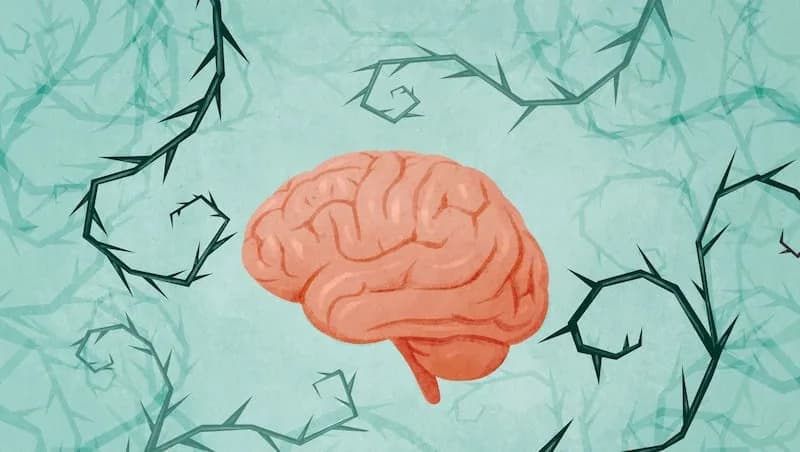
Work by Princeton social psychologist Susan Fiske and other researchers finds that describing people with labels such as “animals,” “predators” or “illegals” is associated with reduced activity in the medial prefrontal cortex (mPFC), a brain region involved in thinking about others’ minds and feelings. That pattern resembles the neural response we show to objects rather than fellow humans. In short: language that strips away perceived humanness often leads the brain to follow suit.
Why This Matters
Empathy is not only a feeling; it shows up in the body and brain and predicts how we treat others. Physiological and neural signatures — including changes in heart rate and activation in emotion-related brain regions — accompany empathic engagement and correlate with a greater likelihood of helping, cooperating or acting compassionately. When neural engagement with another person’s emotions drops, so does the tendency to protect their rights or oppose punitive policies.
Historical proof: Before the Rwandan genocide, radio broadcasts repeatedly called Tutsi people “cockroaches.” Nazi propaganda depicted Jewish people as “rats” or “parasites.” In the United States during World War II, Japanese Americans were labeled “aliens” and treated as threats to be contained. These rhetorical choices helped make inhuman treatment seem acceptable, even necessary.
From Word Choice To Policy
Contemporary studies in social psychology show the same mechanism at work. Framing immigrants, asylum-seekers or other out-groups in dehumanizing terms increases support for punitive measures and restrictive policies, even when researchers control for baseline prejudice. Dehumanizing language nudges groups into a mental “not us” category — and once there, empathy becomes optional.
Reasons For Cautious Optimism
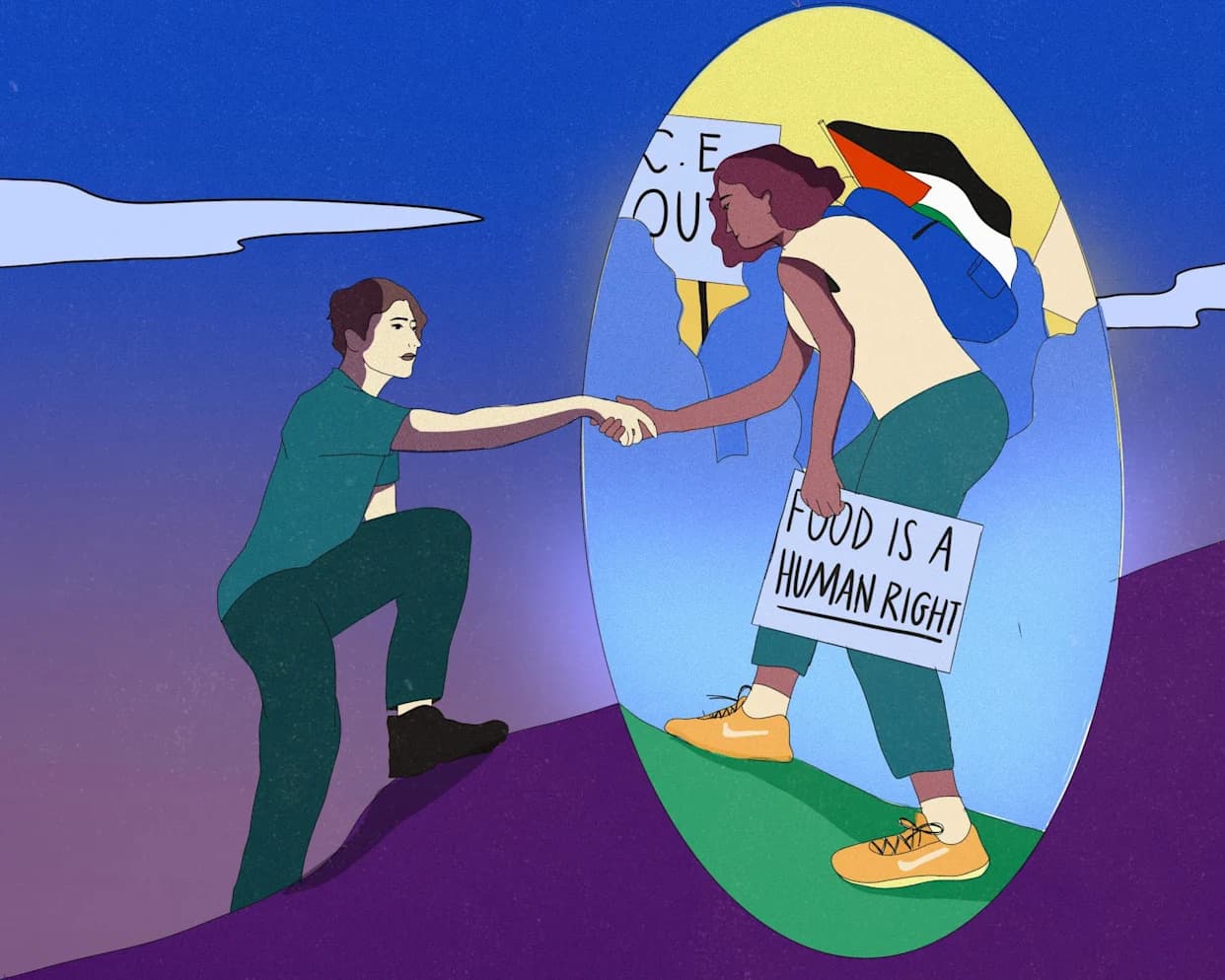
Empathy is malleable. Social and cognitive neuroscience demonstrates that brief acts of perspective-taking — deliberately imagining another person’s thoughts, feelings or life circumstances — increase engagement in brain networks that support social understanding. Neuroimaging studies show that adopting another’s viewpoint activates regions tied to interpreting mental and emotional states and strengthens empathic processing.
Social-psychological interventions also help. Reading narratives that portray out-group members as complex individuals, engaging in “imagined contact” exercises that envision a friendly interaction with someone different, and other humanizing exposures can reduce implicit bias, at least temporarily. These effects suggest that empathy can be cultivated not only through broad institutional reform but also through everyday choices about language and story.
Practical Applications
Some institutions are applying these insights: restorative-justice circles in schools replace stigmatizing labels like “problem kid” with language focused on needs and behavior; some police departments incorporate cognitive-empathy training to counteract the dehumanizing effects of stress; medical schools teach narrative medicine so clinicians learn to see patients as whole persons rather than mere diagnoses.
Words Are Not Neutral
In a polarized age when social platforms reward the sharpest jabs, it’s tempting to treat harsh words as inevitable. But language can change neural responses and either blunt or sharpen our capacity for empathy. The solution is not censorship but responsibility: we can criticize actions while preserving human dignity. Choosing humanizing language is historically informed, psychologically supported and a quiet but powerful way to keep our shared humanity intact.
If words can wound, they can also heal. Choosing them with care is one of the simplest, most effective ways to resist dehumanization and protect the vulnerable.
Help us improve.