The Trump administration faces growing calls to reinstate funding for internet freedom programs in Iran after cuts last year left activists and nonprofit groups struggling to help citizens communicate during government blackouts. Satellite services like Starlink have provided limited relief, but experts warn that sustainable support for VPNs, peer-to-peer tools and grassroots work is essential to document abuses and maintain access. Advocates urge a strategic, consistent U.S. approach rather than ad hoc reliance on private-sector solutions.
Pressure Mounts on Trump Administration to Restore Funding for Internet Freedom in Iran

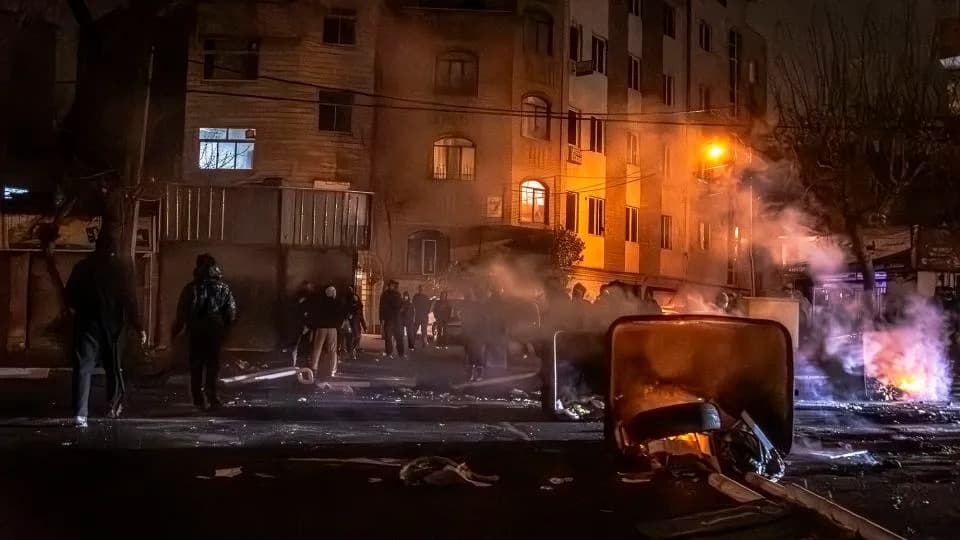
Anti-government protestors demonstrate on January 8, 2026 in Tehran, Iran. - Getty Images
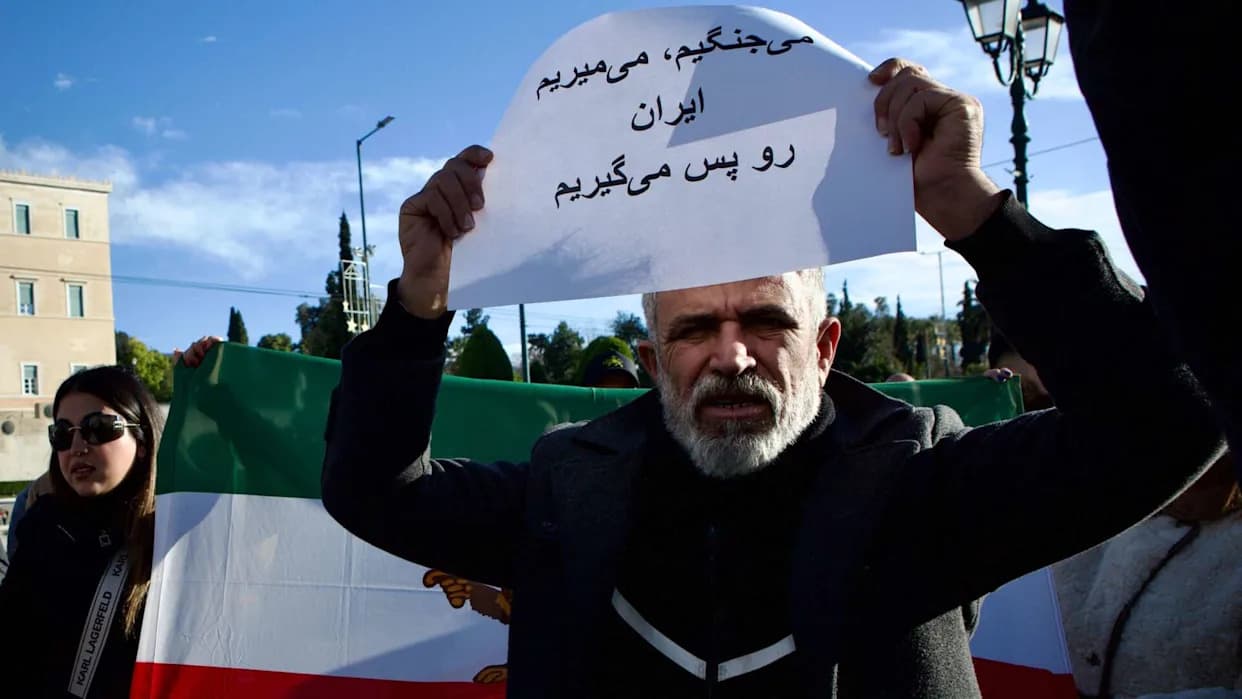
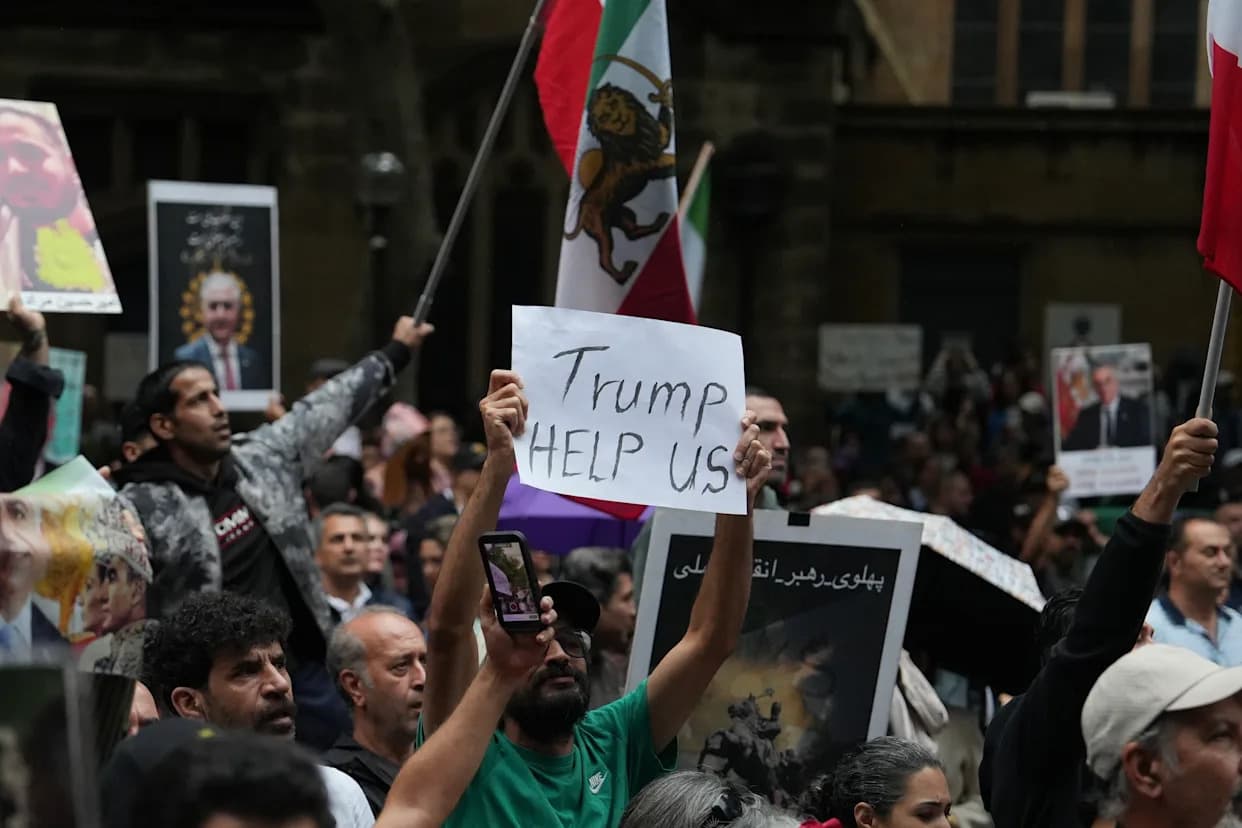
The Trump administration is facing renewed pressure to restore U.S. support for internet freedom efforts in Iran after cuts to funding last year, critics say — cuts that have undermined activists and organizations working to help Iranians communicate during violent crackdowns and government-imposed outages.
Experts describe the recent multi-day national blackout imposed amid sweeping protests as among the most severe in Iran's history. Human-rights monitors and activists say Tehran has repeatedly shut down or throttled internet access to hinder reporting, suppress dissent and conceal evidence of killings and repression.
Funding Cuts, Circumvention Tools, and the Role of Starlink
Last year, the Trump administration significantly reduced grants to organizations that promote internet freedom as part of a broader decline in U.S. foreign assistance and organizational restructuring at the State Department. Sources told CNN that funding for programs supplying circumvention tools — including virtual private networks (VPNs) and other software designed to bypass censorship — was eliminated.
In the absence of robust government-backed programs, some activists and groups have turned to private-sector solutions. Satellite services such as Elon Musk's Starlink have enabled some Iranians to break through blackouts and share images and reports from inside the country. White House press secretary Karoline Leavitt said President Trump and Elon Musk discussed Starlink access for Iran, though it remains unclear whether any concrete agreement was reached.
Organisations Struggle After Funding Loss
At least one group that helped distribute Starlink terminals, NetFreedom Pioneers (NFP), said it shipped about 200 units into Iran during the 2022 protests but subsequently lost U.S. government funding that supported its internet-freedom work. NFP and similar organizations now rely largely on private fundraising, and several have had to lay off staff or scale back operations due to funding shortfalls.

A SpaceX Falcon 9 rocket carrying a payload of Starlink v2-mini satellites lifts off from Space Launch Complex 40 at the US Space Force Station in Cape Canaveral, Florida, on June 10, 2025. - Steve Nesius/Reuters/File
'There is no funding and there is no strategy; it feels like there is nobody running the State Department,' a source at NFP told reporters.
Security Risks and Government Countermeasures
Iranian authorities have reportedly raided people suspected of using satellite terminals, and there are credible reports that the government is employing military-grade jamming technology to block or degrade satellite internet signals. Freedom House Vice President Adrian Shahbaz described some of these measures as 'unprecedented.' Iranian state media said internet restrictions would remain until officials determine that security has been sufficiently restored.
Even when connections remain, the Iranian government heavily censors content and monitors communications. Experts warn that while Starlink-like solutions help during full blackouts, more widespread and less conspicuous tools such as open-source VPNs, peer-to-peer messaging, and other circumvention technologies are essential for sustained access and documentation of abuses.
Policy Debate: Strategic Funding Versus Private Solutions
Former U.S. officials and internet-freedom advocates are urging a more strategic and consistent U.S. approach. Victoria Taylor, a former deputy assistant secretary of state for Iran and Iraq, argued that cutting funding for VPNs and other circumvention tools was a mistake and urged the government to restore support for those proven measures. A former State Department official also warned that overreliance on private-sector hardware without parallel investment in software and grassroots tools risks losing momentum in anti-censorship efforts and leaving abuses undocumented.
A State Department spokesperson said the administration is committed to preserving the free flow of information to the Iranian people and is exploring ways to provide technology, including satellite services, to strengthen connectivity. The spokesperson noted that some programs — like Voice of America in Farsi and Radio Farda — were resumed or expanded after earlier cuts, but capacity remains limited and advocates call for more predictable funding.
As protests and shutdowns continue, advocates stress that a mixed strategy is needed: short-term satellite options to counter full blackouts and sustained funding for VPNs, peer-to-peer tools, digital security training, and local journalism to document human-rights abuses over the long term.
Help us improve.