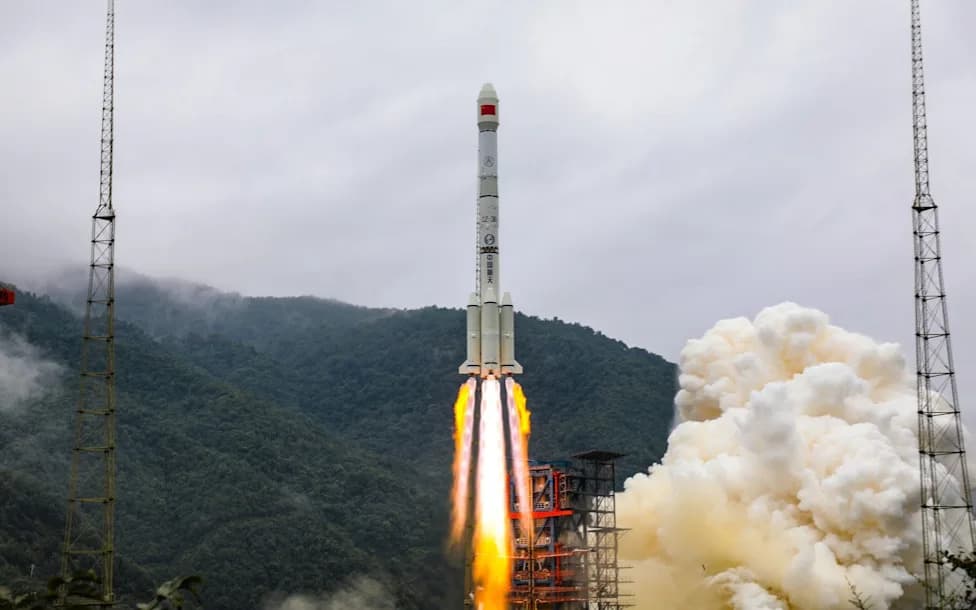
China told the UN that the rapid expansion of SpaceX’s Starlink satellites in low-Earth orbit poses “pronounced safety and security” risks, citing close approaches to China’s space station in 2021. Beijing warned that mega-constellations crowd orbital and frequency resources and increase collision risks, especially for countries lacking orbit-control capabilities. It also flagged potential military uses of commercial satellites and urged stronger international regulation while pursuing its own competing megaconstellation plans.
China Tells UN: Rapid Expansion Of Starlink Satellites Raises Global Safety And Security Concerns
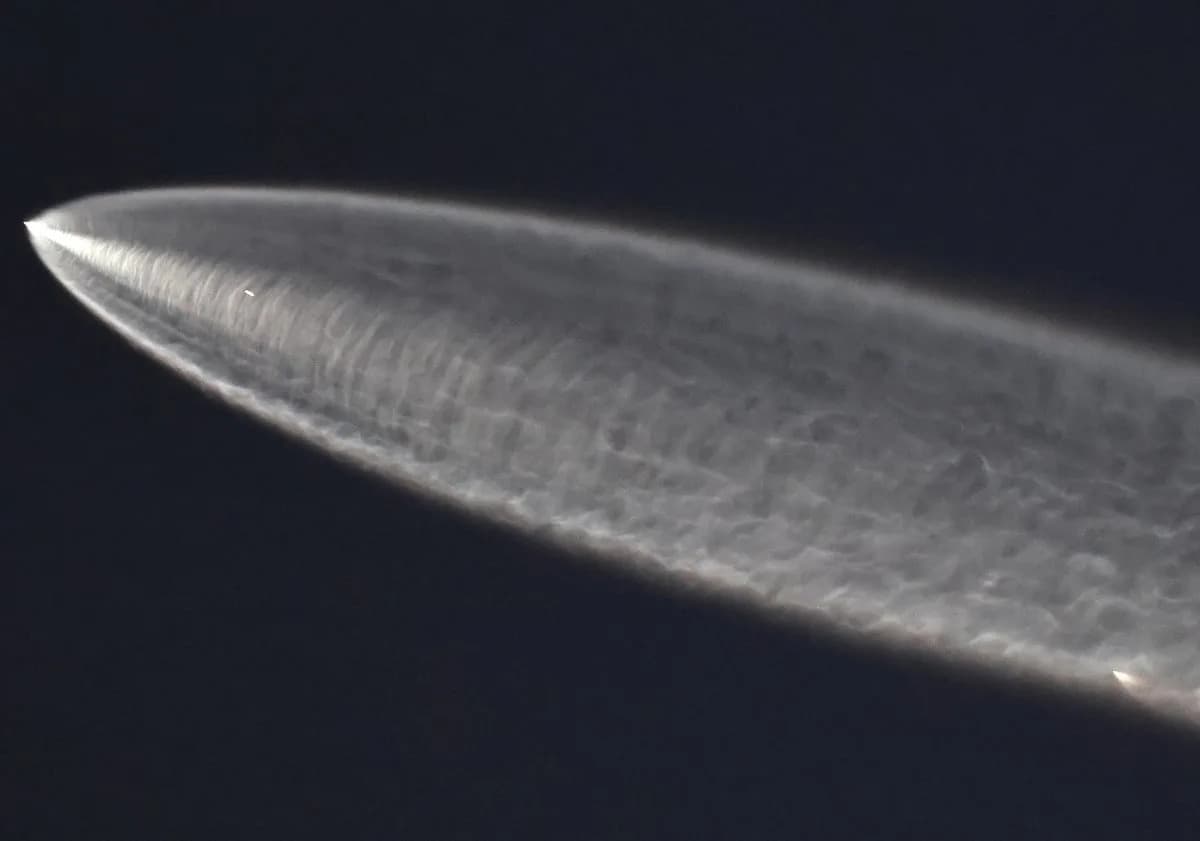
China warns Elon Musk’s Starlink satellites pose ‘safety and security’ risk
Beijing has warned the United Nations that the rapid expansion of SpaceX’s Starlink satellite constellations in low-Earth orbit (LEO) is creating “pronounced safety and security” risks around the world.
What Beijing Told the UN
“With the rapid expansion of commercial space activities, the unchecked proliferation of commercial satellite constellations by a certain country, in the absence of effective regulation, has given rise to pronounced safety and security challenges,” a Chinese representative said at an informal UN Security Council event.
Incidents And Collision Risks
The diplomat pointed to several incidents — including close approaches between Starlink satellites and China’s space station in 2021 — as evidence of growing collision risk. Chinese officials argued such large constellations crowd both orbital slots and frequency resources and therefore increase the likelihood of dangerous conjunctions in LEO.
Current Scale And Projections
According to the figures cited at the event, there are roughly 12,955 active satellites in low-Earth orbit, of which about 8,500 are currently in service; just over 66% of those in-service satellites belong to SpaceX’s Starlink constellation. Elon Musk has said Starlink might ultimately include more than 42,000 satellites, while SpaceX currently holds approval to deploy about 12,000.
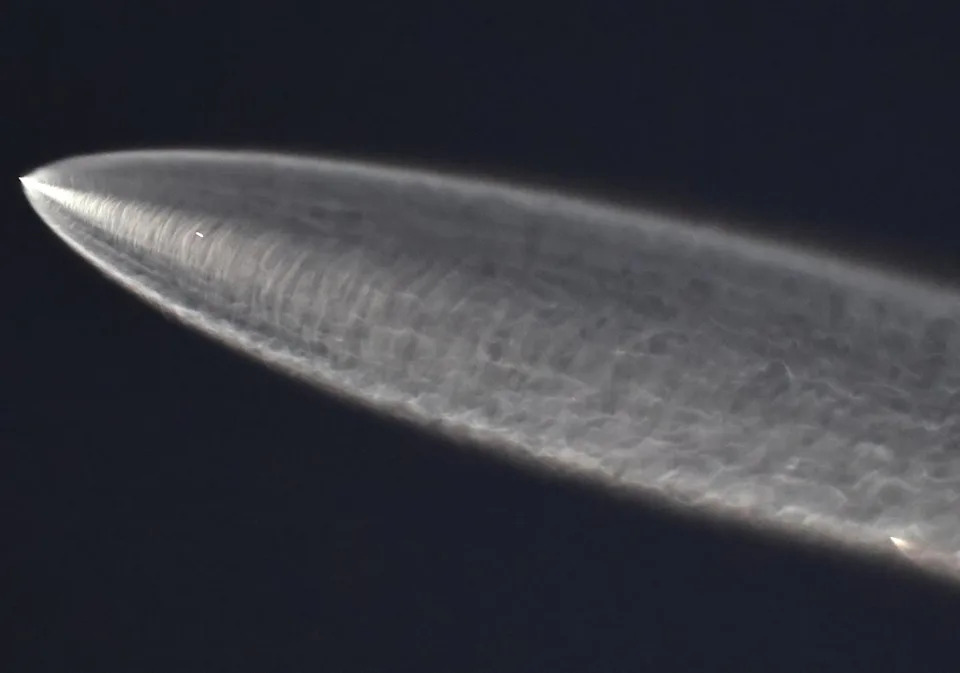
A SpaceX Falcon 9 rocket rises after launching from Vandenberg Space Force Base carrying 28 Starlink internet satellites (Getty Images)
Starlink satellites are designed with an approximate five-year operational life and are intended to be deorbited to burn up in Earth’s atmosphere at end of life — a mitigation step, but one that still leaves short-term congestion and collision risk while satellites are active.
China’s Own Plans And Broader Security Concerns
Beijing also described commercial satellites’ increasing use for reconnaissance and battlefield communications, warning this could “aggravate the risk of an arms race in outer space.” Chinese projects such as the Shanghai-backed Quianfan broadband initiative plan to build competing megaconstellations — the Quianfan project aims to mass-produce and launch more than 15,000 satellites by 2030 to provide global broadband coverage.
Calls For Stronger Regulation
Noting that LEO has become significantly more congested since 2018, the Chinese representative urged nations to strengthen regulation and oversight of commercial space activities. The diplomat also warned that developing countries operating spacecraft without robust orbit-control capability or space situational awareness face elevated risk from close approaches.
SpaceX had not immediately responded to requests for comment. Reports of the UN remarks were first published by outlets including the South China Morning Post and later picked up by international media.
Help us improve.