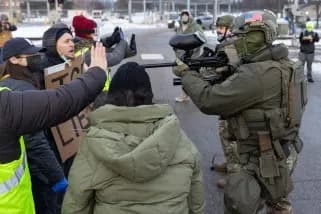
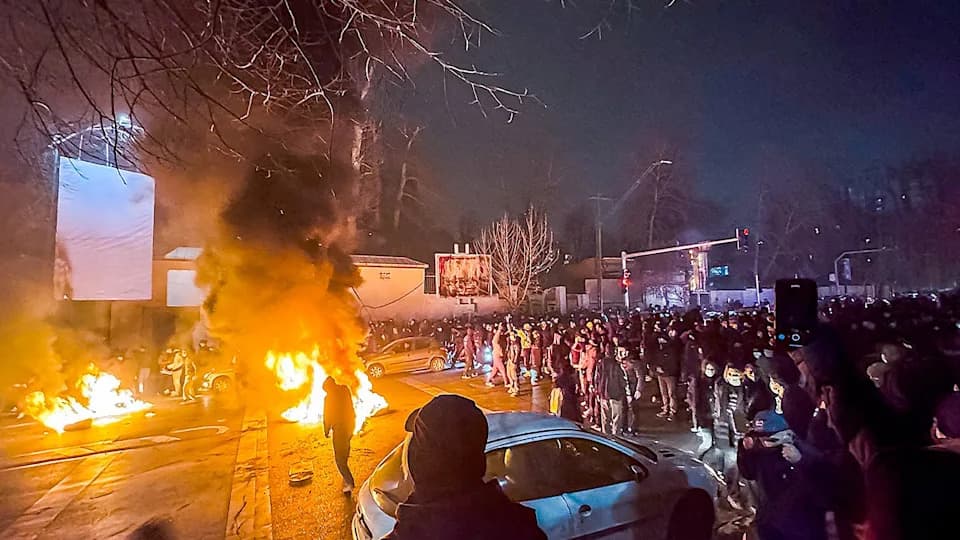
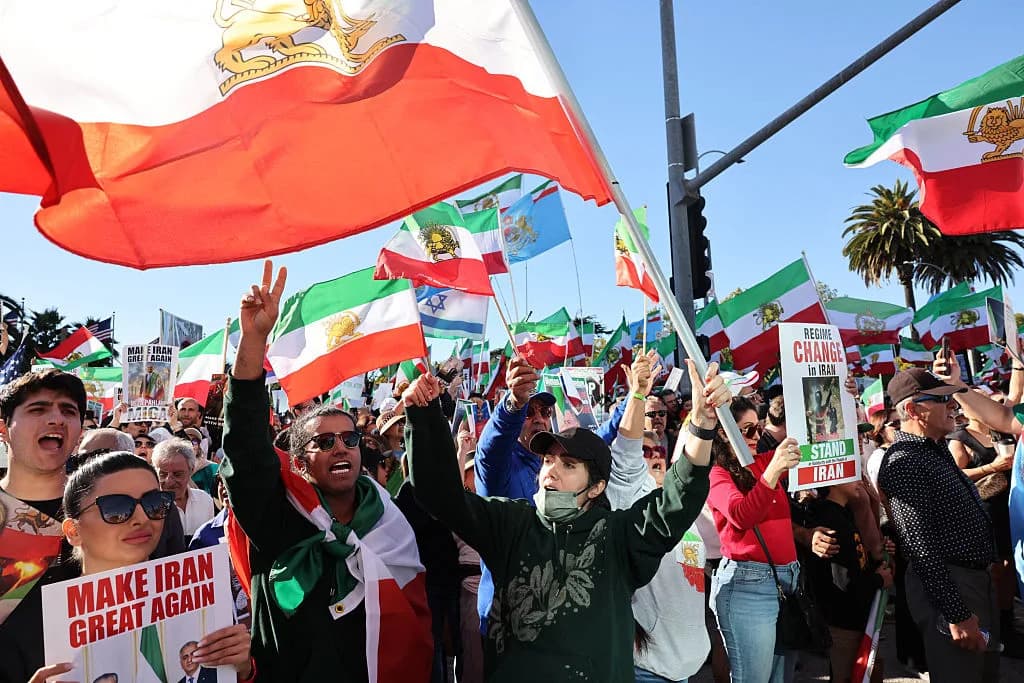
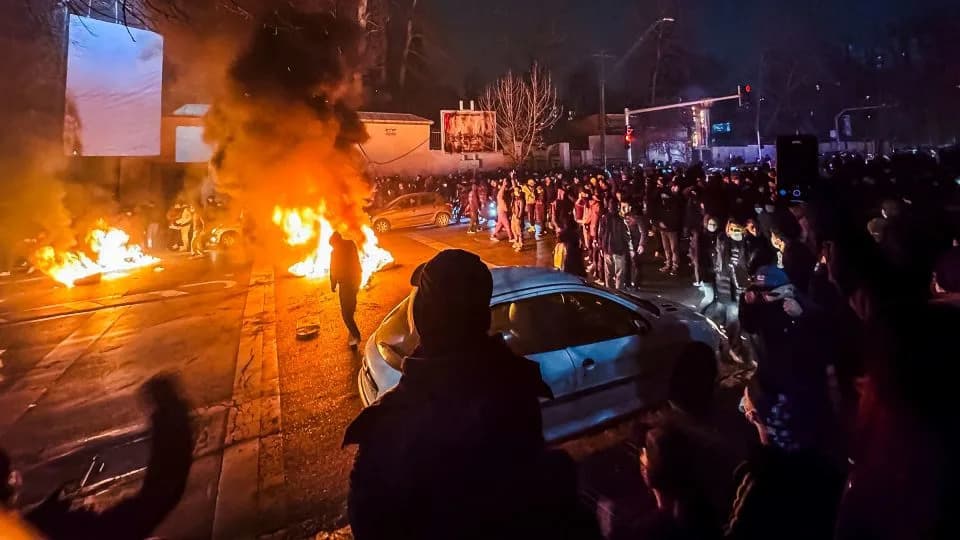
Federal officers used teargas and an orange eye irritant in Minneapolis as DHS called its deployment the largest in the agency's history, reporting about 800 CBP agents and 2,000 ICE personnel in the area. The surge follows the fatal shooting of Renee Nicole Goodby by a federal agent and has prompted protests, school walkouts, resignations by federal prosecutors and a lawsuit by Minnesota and city leaders seeking to halt the operation. A judge is expected to rule soon on requests to limit the use of force against people observing and recording federal officers.
Federal Agents Use Teargas in Minneapolis as DHS Calls Deployment ‘Largest Operation in DHS History’
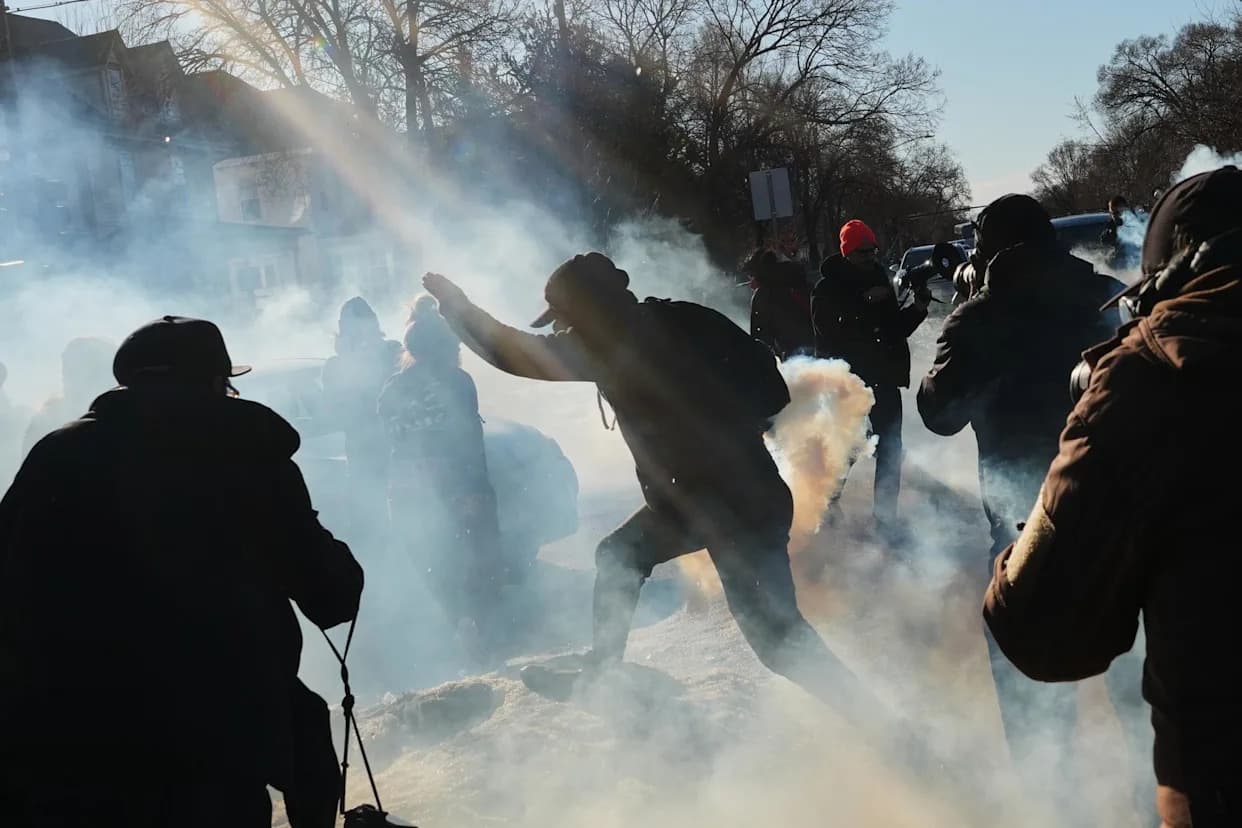
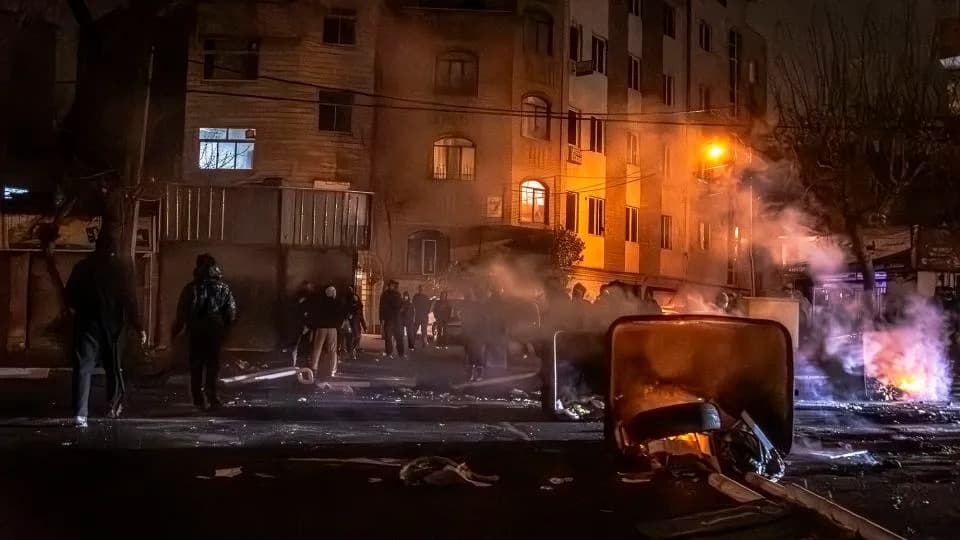
A protester runs through teargas near the scene where Renee Good was killed by an ICE officer last week.Photograph: Adam Gray/AP
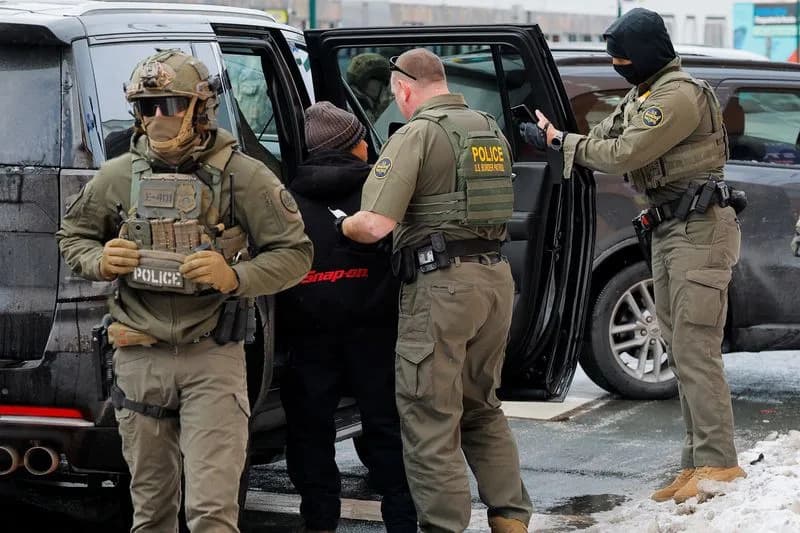
Federal officers in Minneapolis deployed teargas and an orange eye irritant near neighborhoods on Tuesday as the Department of Homeland Security (DHS) described its presence in the state as “the largest operation in DHS history.” DHS officials told reporters there are roughly 800 Customs and Border Protection (CBP) agents and about 2,000 Immigration and Customs Enforcement (ICE) personnel operating in the Minneapolis area amid heightened tensions after a recent fatal shooting.
What Happened
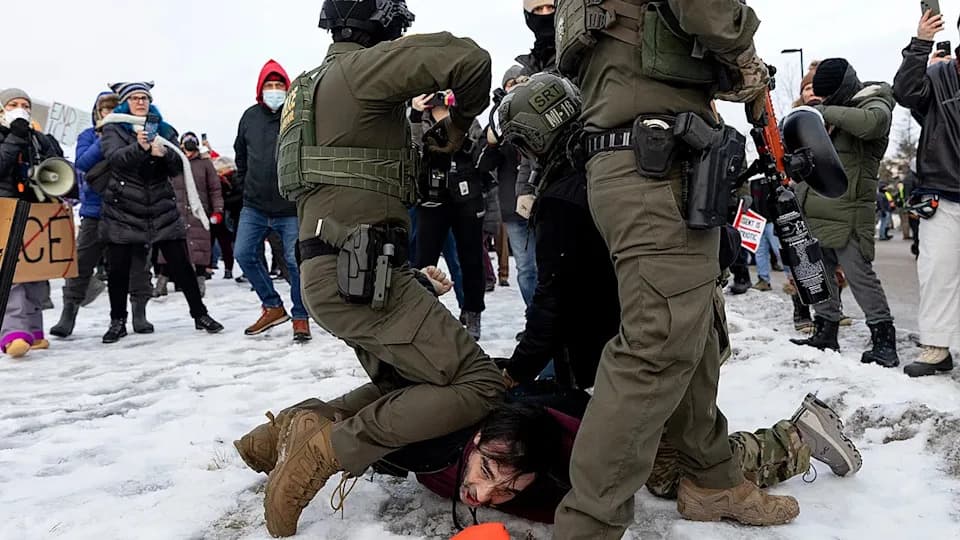
Clouds of gas were reported on a street close to the scene where Renee Nicole Goodby was fatally shot by a federal immigration agent last week. Video and eyewitness accounts show an unmarked vehicle dispensing an orange irritant; one man was seen scrubbing his eyes with snow and calling for help as officers left the area.
Scale And Deployment
A DHS official told CBS News the surge includes approximately 800 CBP agents and 2,000 ICE officials. DHS has also said its teams have carried out more than 2,000 arrests in Minnesota since early December and that it will not back down from enforcement operations.
Local Reaction And Protests
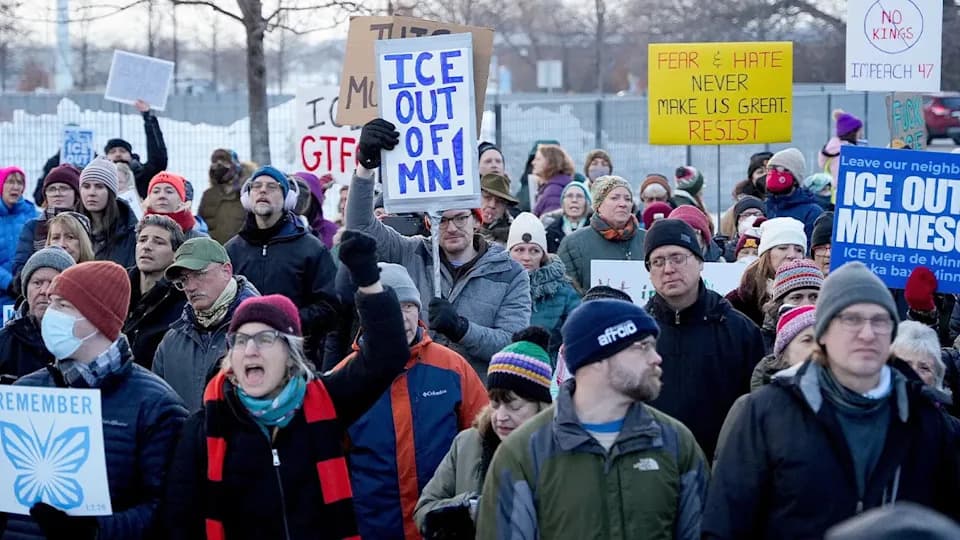
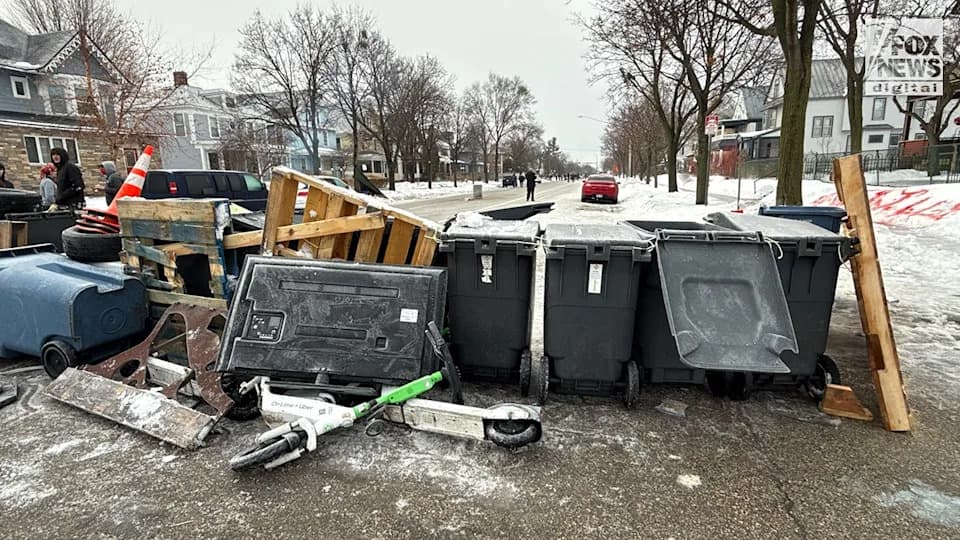
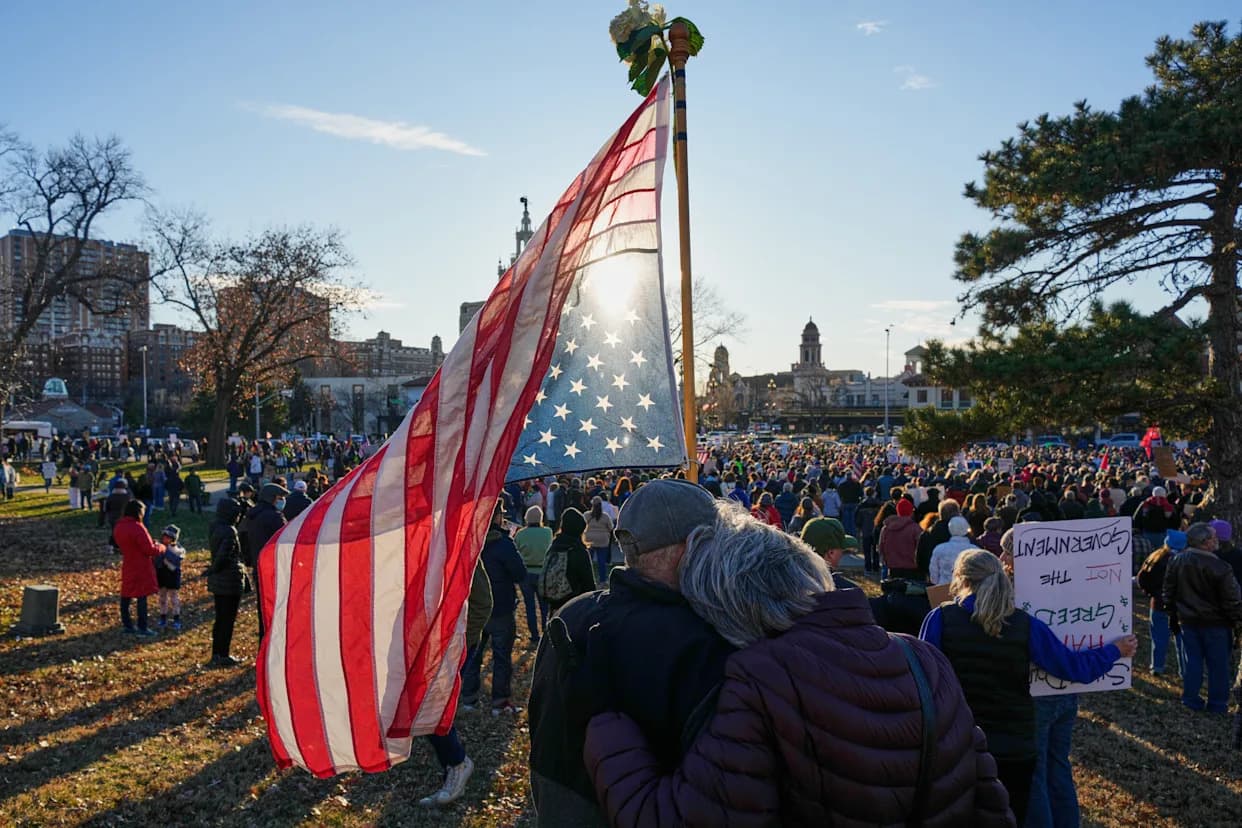
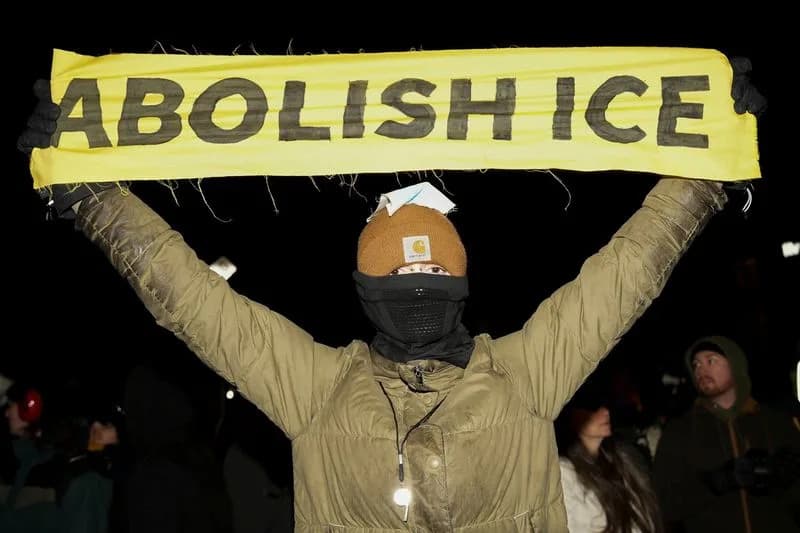
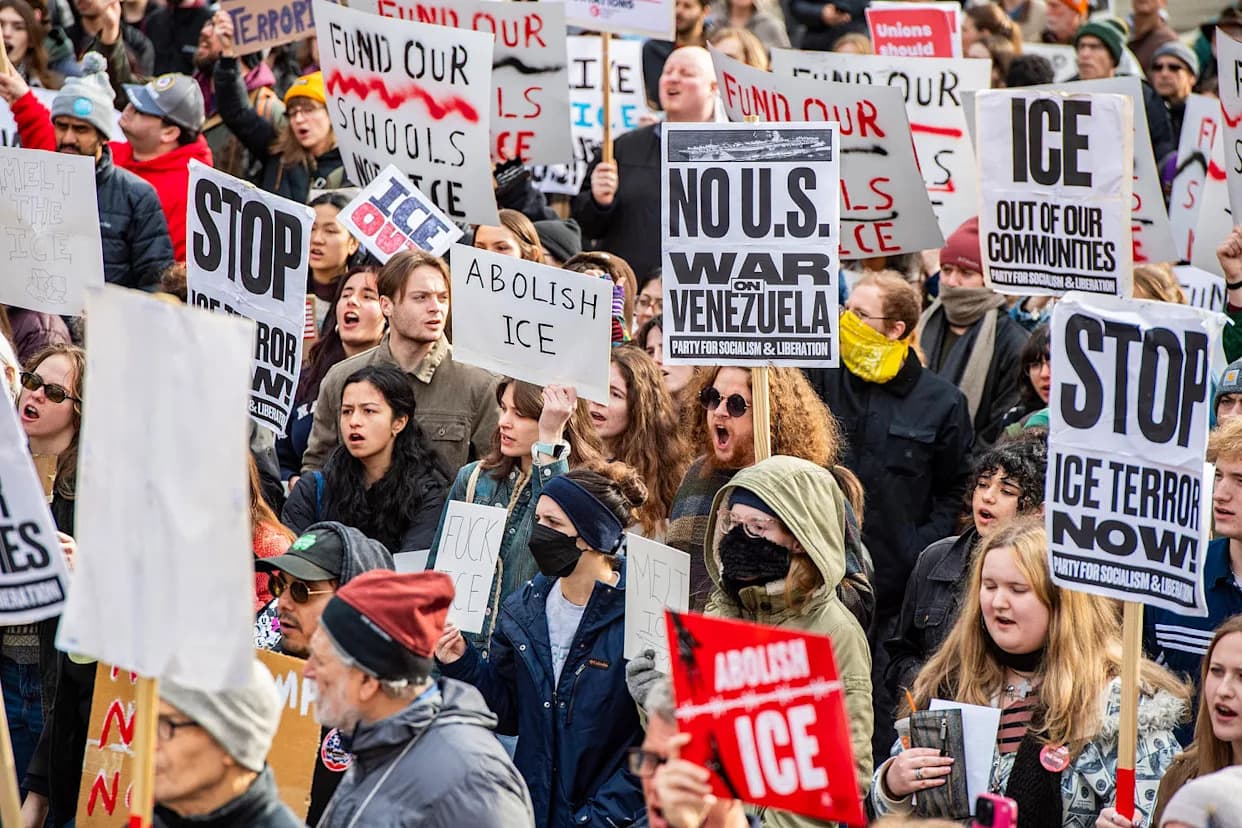
Residents and activists have responded with ongoing protests, school walkouts and dozens of vigils to honor Goodby, a 37-year-old mother of three. Community members have used whistles and public alerts to warn neighbors when heavily armed, unmarked federal agents move through neighborhoods. Several federal prosecutors in Minnesota and Washington resigned in protest of the Justice Department's decision not to open a civil rights investigation into Goodby’s death.
Legal And Political Fallout
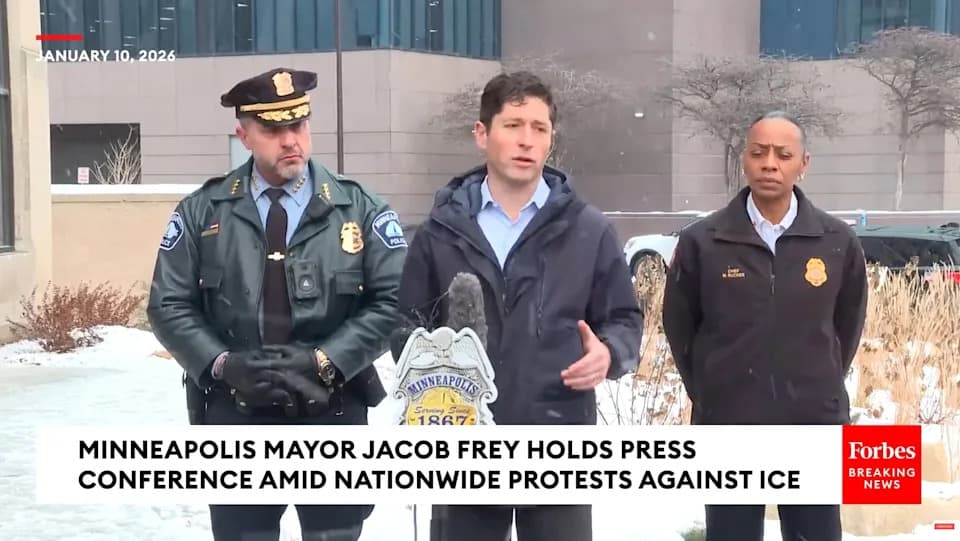
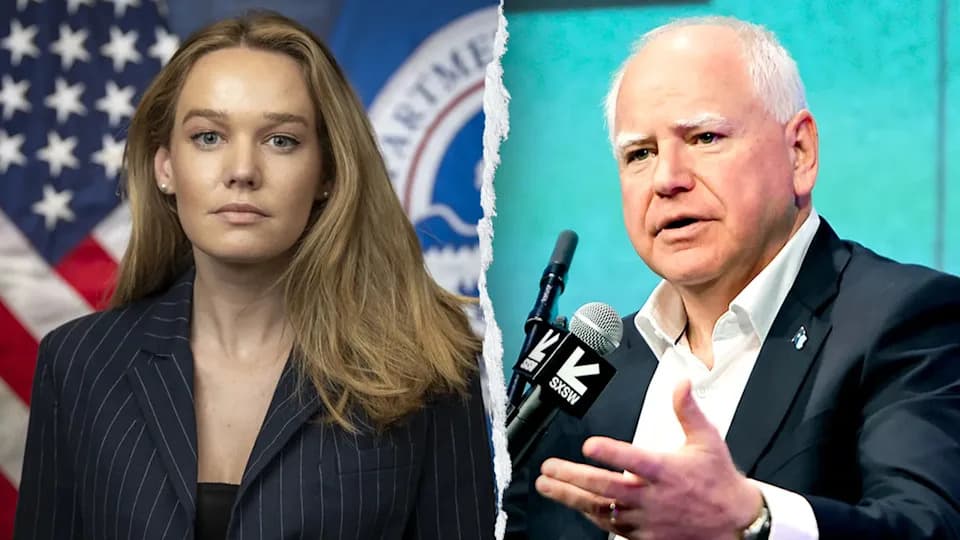
Minnesota, joined by the mayors of Minneapolis and St. Paul, sued the Trump administration seeking to halt or limit the federal surge, arguing the deployment violates the First Amendment and other constitutional protections and amounts to a targeted operation against a progressive state. Attorney General Keith Ellison called the deployment "in essence, a federal invasion of the Twin Cities." Minneapolis Mayor Jacob Frey said the influx of agents is having a significant impact on daily life.
"President Trump’s job is to protect the American people and enforce the law — no matter who your mayor, governor, or state attorney general is," said DHS spokeswoman Tricia McLaughlin in response to the lawsuit.
Courts And Oversight
A judge heard arguments on a request to restrict the use of force — including chemical irritants — against people who are observing and recording federal officers. The judge said she would rule by Thursday or Friday. Government attorneys argued officers were acting within their authority and must be able to protect themselves while conducting enforcement operations.
Wider Political Moves
On Capitol Hill, two Democratic lawmakers from Massachusetts announced plans to sponsor a bill making it easier to sue federal officers accused of civil-rights violations by reducing or overcoming certain immunity protections. In Wisconsin, Lieutenant Governor Sara Rodriguez proposed banning civil immigration enforcement around sensitive sites such as courthouses, hospitals, schools and places of worship — a measure she says would protect communities but which critics warn could inflame federal-state tensions.
The events in Minneapolis have prompted national debate over federal immigration enforcement tactics, civil-rights accountability and the proper balance between public safety and community protections.
Help us improve.