The internet and international phone ban in Iran has made counting protest fatalities difficult, but information continues to surface. The Associated Press relies on tallies from the Human Rights Activists News Agency (HRANA), which reports hundreds of deaths and is supported by an internal activist network. AP cannot independently confirm the totals because of the communications blackout and limited state media coverage. Visual material that emerges is authenticated through geolocation, expert review and cross-checking with other reporting.
How AP Tracks the Death Toll From Iran’s Protests Amid an Internet Blackout
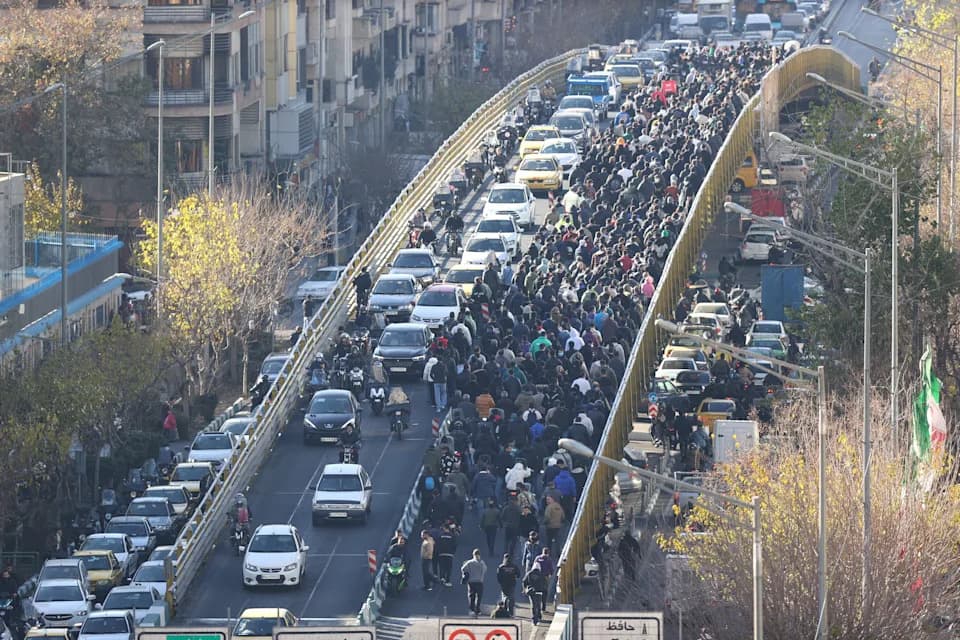
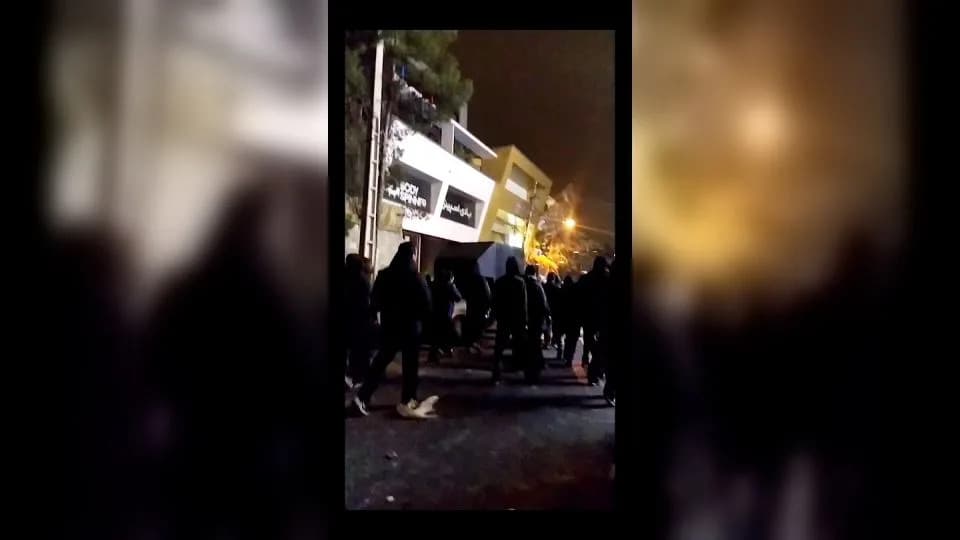
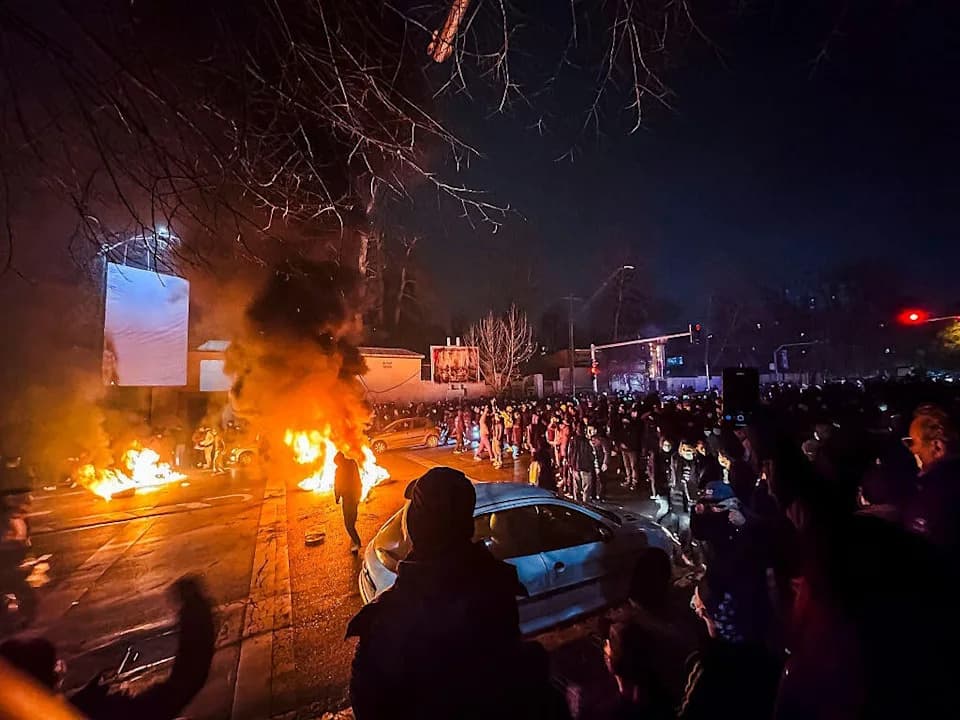
FILE - Protesters march on a bridge in Tehran, Iran, on Dec. 29, 2025. (Fars News Agency via AP, File)(ASSOCIATED PRESS)
The government-imposed shutdown of internet service and international phone calls has made it significantly harder to determine how many people have died in Iran’s nationwide protests. Despite the communications blackout, fragments of information continue to emerge from inside the country.
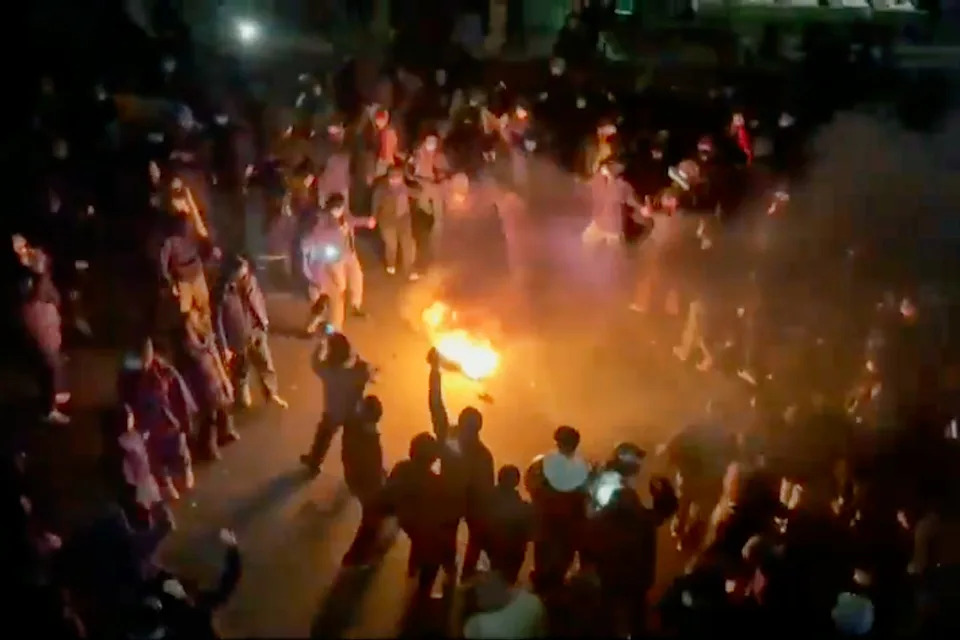
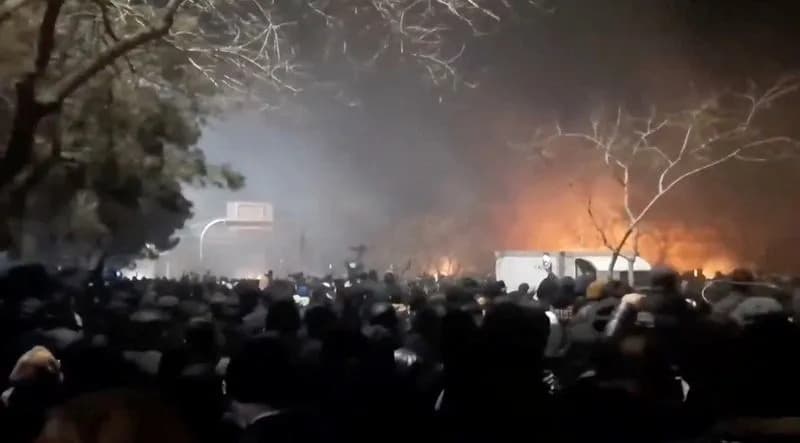
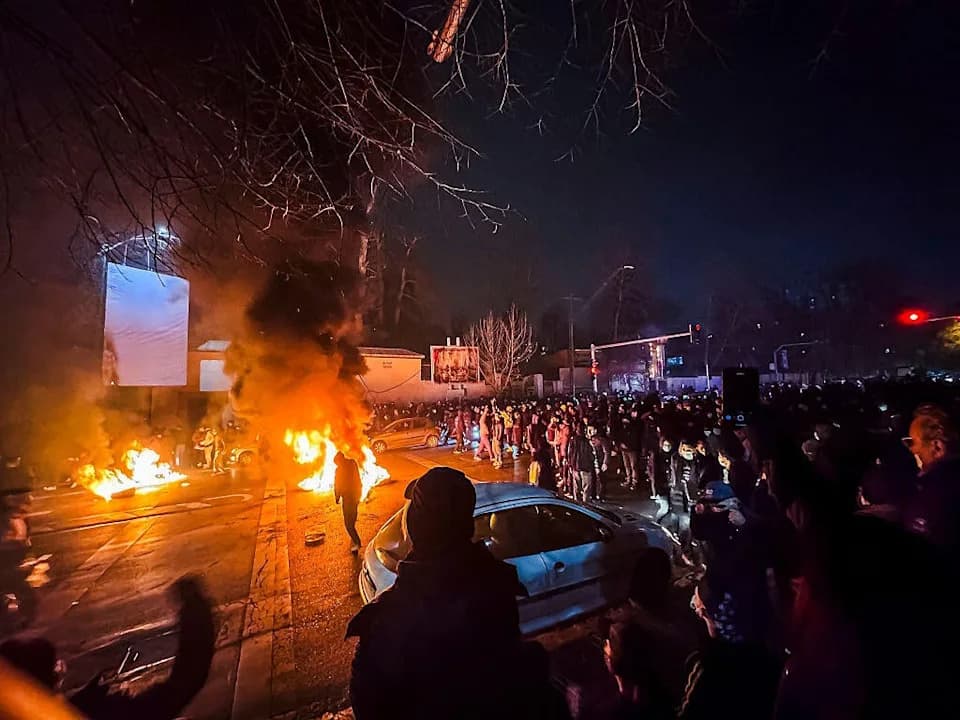
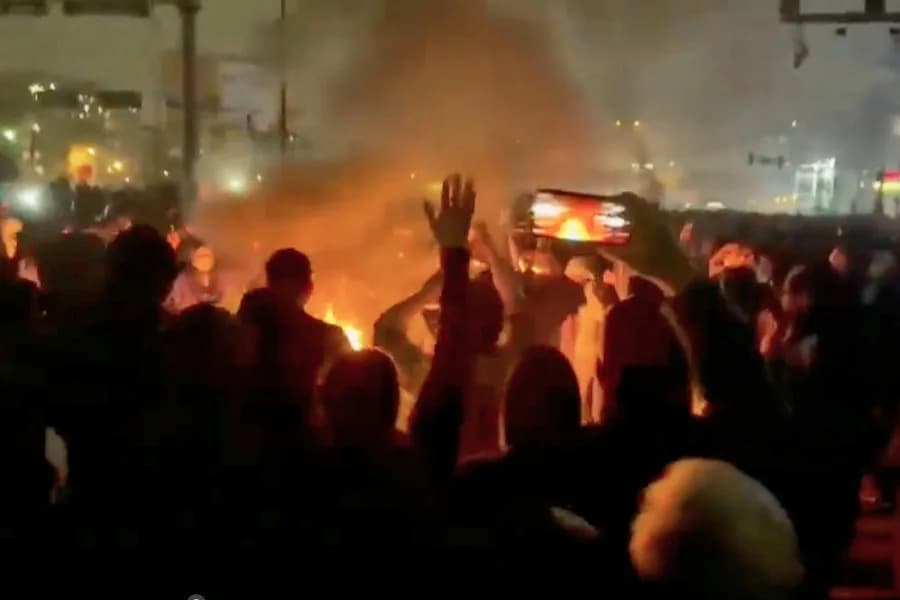
FILE - In this frame grab from footage circulating on social media shows protesters dancing and cheering around a bonfire as they take to the streets despite an intensifying crackdown as the Islamic Republic remains cut off from the rest of the world, in Tehran, Iran, Jan. 9, 2026.(UGC via AP, File)(ASSOCIATED PRESS)
The Associated Press has been relying on tallies provided by the Human Rights Activists News Agency (HRANA), a U.S.-based organization that has reported hundreds of deaths. HRANA has been judged reliable over multiple years of demonstrations because it draws on a network of activists inside Iran who help corroborate each reported fatality.
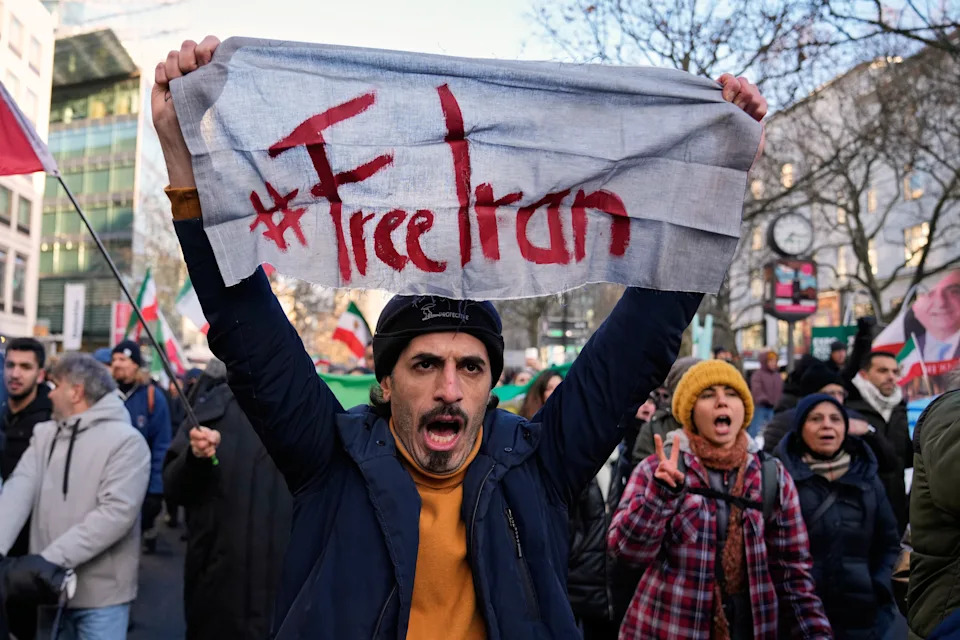
FILE - Protesters participate in a demonstration in Berlin, Germany, in support of the nationwide mass protests in Iran against the government, Jan. 10, 2026. (AP Photo/Ebrahim Noroozi, File)(ASSOCIATED PRESS)
Because communications within Iran are restricted, the AP has not been able to independently verify HRANA’s totals. Iran’s theocratic government has not released official casualty figures for the demonstrations, and state-run media have offered only limited coverage, making it difficult to assess the scale of the unrest from inside the country.
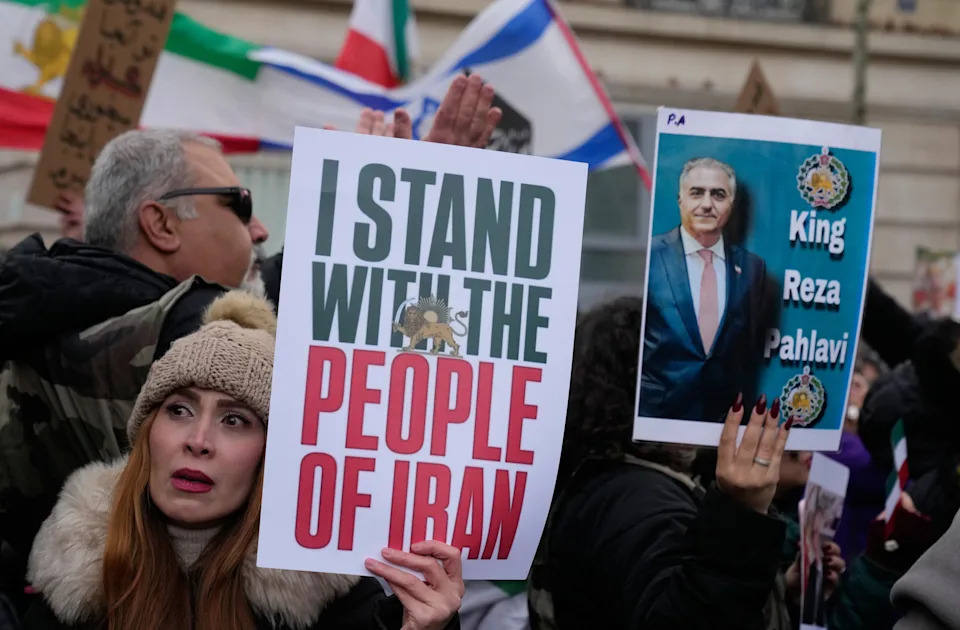
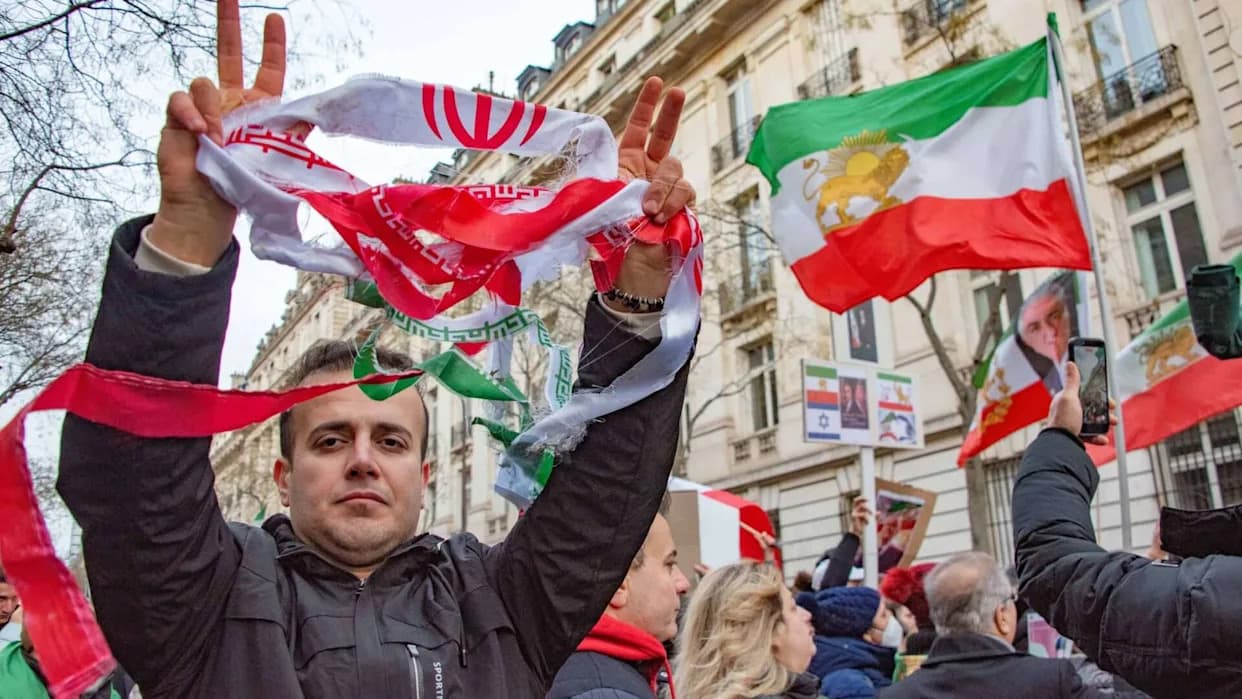
FILE - Protesters hold placards during a rally in support of the nationwide mass demonstrations in Iran against the government in Paris, Jan. 11, 2026. (AP Photo/Michel Euler, File)(ASSOCIATED PRESS)
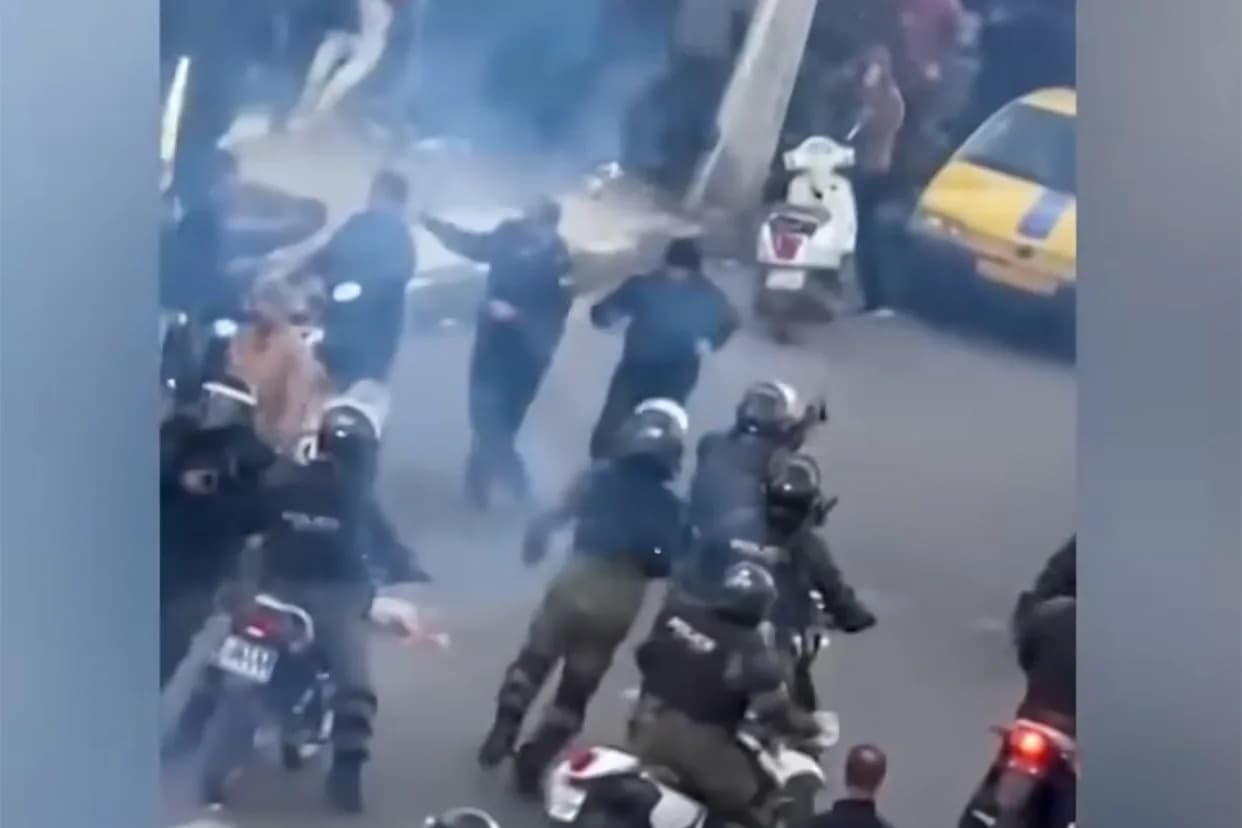
Short videos and audio clips that circulate online provide brief, often shaky glimpses of crowds in the streets and sounds of gunfire. Much of this material likely left Iran via satellite connections such as Starlink. The AP incorporates some of those clips into reporting, but only after a verification process.
How AP Verifies Footage
AP authenticates video and photographic material by matching visuals to known locations, landmarks and events, checking timestamps and metadata when available, and consulting regional experts and independent sources. Reporters also compare footage to other reporting to ensure consistency before publishing.
This approach — relying on local activist networks for casualty counts and carefully authenticating circulating footage — allows AP to report responsibly under difficult conditions, while making clear the limits of independent confirmation during a communications blackout.
Help us improve.