A study in Nature Microbiology links auto-brewery syndrome (ABS) — a rare condition in which gut microbes ferment carbohydrates into intoxicating amounts of alcohol — to elevated levels of ethanol-producing bacteria such as Escherichia coli and Klebsiella pneumoniae. Researchers compared stool samples from 22 ABS patients with 21 unaffected partners and identified multiple microbial pathways that create ethanol in the gut. The results point to fecal microbiota transplantation (FMT) as a promising treatment: one patient improved after 16 months of oral capsules from a ‘super donor.’ The study paves the way for better diagnosis and targeted microbiome therapies.
Gut Bacteria Behind ‘Auto-Brewery’ Syndrome Identified — Fecal Transplants Show Promise

Scientists Healed a Rare Gut Disorder With PoopYuichiro Chino - Getty Images
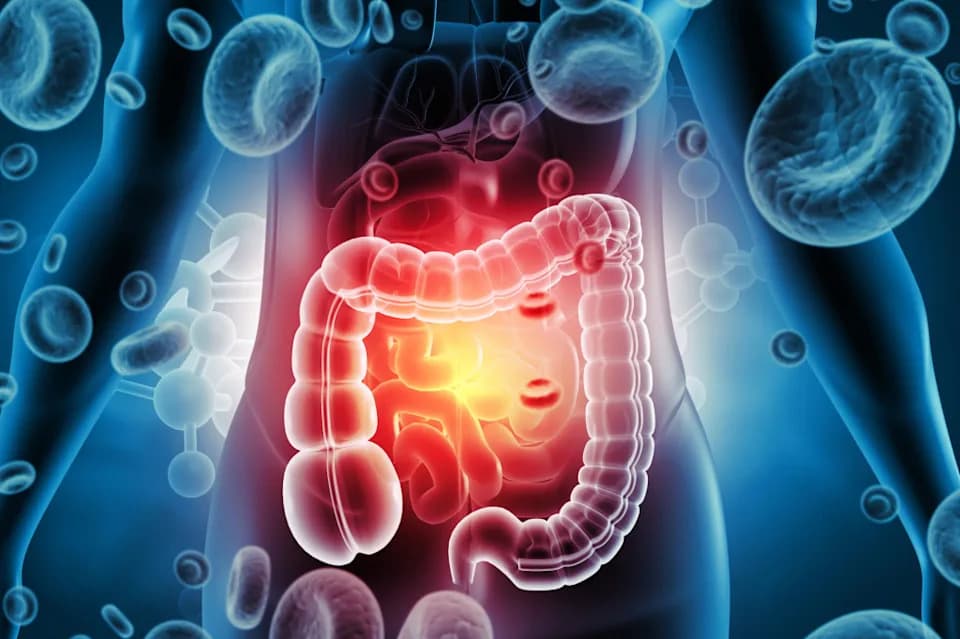
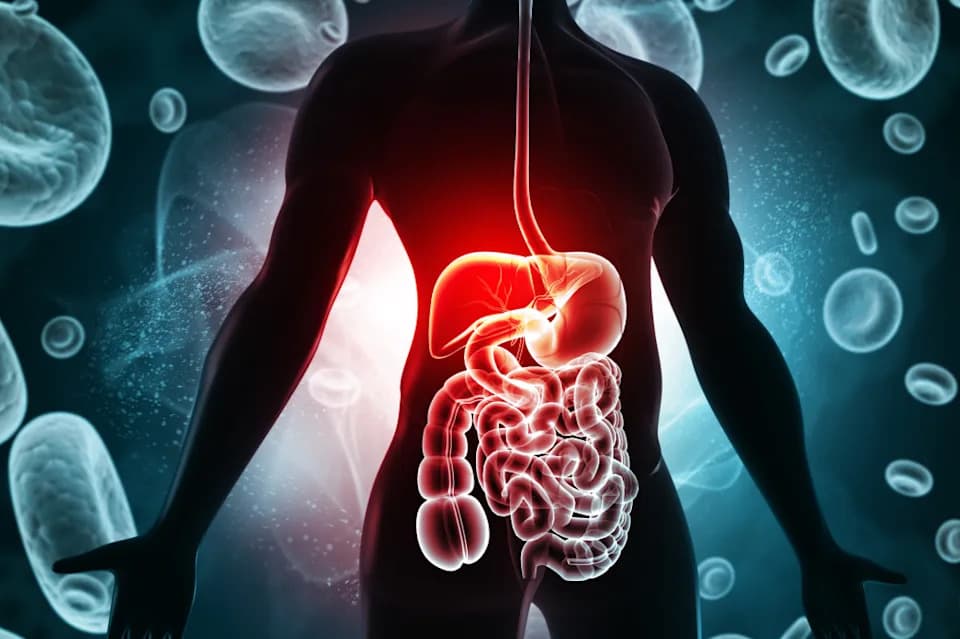
The human gut hosts trillions of microbes, and when that ecosystem is out of balance it can contribute to a wide range of health problems — from irritable bowel disease to depression and even Alzheimer’s. A rare but striking example is auto-brewery syndrome (ABS), in which microbes in the intestine ferment carbohydrates into intoxicating amounts of alcohol so that affected people can become drunk without consuming alcoholic beverages.
ABS is uncommon — fewer than 100 confirmed cases have been reported worldwide — but its consequences can be serious. Patients may experience cognitive impairment, liver damage, digestive problems, withdrawal symptoms and the obvious effects of intoxication such as grogginess and slurred speech.
New Study Identifies Culprit Microbes and Pathways
In a study published in Nature Microbiology, researchers from the University of California San Diego and Mass General Brigham analyzed stool samples from 22 individuals diagnosed with ABS and compared them with samples from 21 of their unaffected partners. The team found that ABS patients commonly harbored elevated levels of bacteria known to ferment sugars into ethanol, notably Escherichia coli (E. coli) and Klebsiella pneumoniae. The study also reiterates earlier findings that yeast colonization can produce similar effects.
Bernd Schnabl (UC San Diego): “We found that gut bacteria, including Escherichia coli and Klebsiella pneumoniae, ferment sugars into ethanol in the intestine in patients with ABS. These microbes use several ethanol-producing pathways and can drive blood-alcohol levels high enough to cause legal intoxication.”
Treatment Implications: Fecal Microbiota Transplantation
Identifying the specific organisms and metabolic routes that produce ethanol in the gut opens the door to more targeted diagnosis and treatment. One promising approach is fecal microbiota transplantation (FMT), which replaces a dysbiotic gut community with a healthier one from a screened donor.
As reported by New Scientist, one man with ABS received repeated oral capsules derived from the stool of a so-called “super donor” — a person with an exceptionally healthy microbiome. After about 16 months of treatment, his symptoms diminished and markers of gut health improved, suggesting FMT can be effective for at least some patients.
Elizabeth Hohmann (Mass General Brigham): “Auto-brewery syndrome is a misunderstood condition with few tests and treatments. Our study demonstrates the potential for fecal transplantation. More broadly, by determining the specific bacteria and microbial pathways responsible, our findings may lead the way toward easier diagnosis, better treatments, and an improved quality of life for individuals living with this rare condition.”
What This Means
While ABS remains rare, this work highlights how shifts in the gut microbiome can produce surprising and harmful systemic effects. The findings support further research into diagnostic tests that detect ethanol-producing microbes and controlled clinical trials of FMT or other microbiome-targeted therapies. For patients and clinicians, the study is an important step toward reliable diagnosis and practical treatment options.
Note: Fecal microbiota transplantation is a medical procedure that requires careful donor screening and clinical oversight. Individuals experiencing unexplained intoxication or related symptoms should seek medical evaluation.
Help us improve.