Scientists discovered that bark beetles convert spruce phenolic glycosides into stronger antimicrobial compounds concentrated in the phloem, helping the beetles resist pathogens. A team at the Max Planck Institute identified strains of the fungus Beauveria bassiana that can detoxify those modified chemicals in a two-step pathway, producing harmless methyl glucoside derivatives and enabling fungal infection of the beetles. The work clarifies why some B. bassiana strains fail while others succeed and suggests targeted strain screening could improve biological control of bark beetles, though more research and field testing are needed.
How Bark Beetles Turn Spruce Defences Against Them — And How a Fungus Might Stop Them
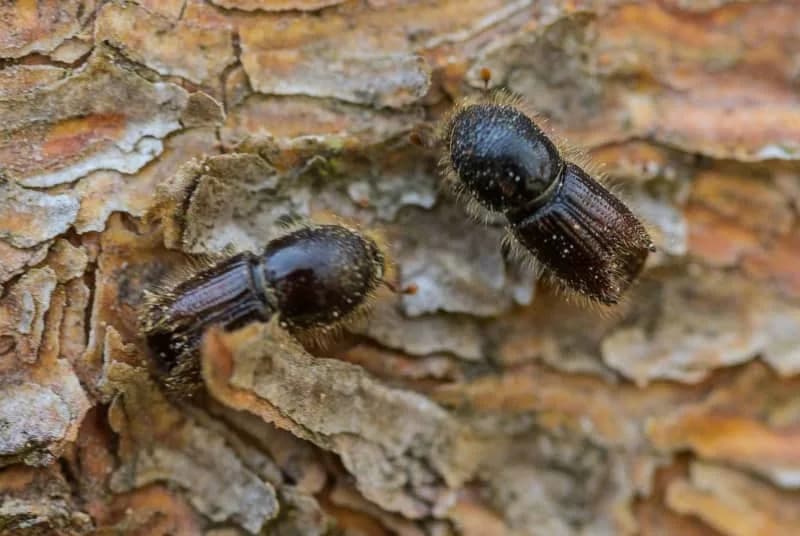
Trees produce antibodies against harmful fungi. But bark beetles absorb these antibodies and use them to their own advantage. And yet trees appear to have found alternative means of pest control. Andreas Arnold/dpa
Researchers from the Max Planck Institute for Chemical Ecology have shown that bark beetles can hijack spruce trees' chemical defences and convert them into even more potent antimicrobial compounds that protect the insects from their natural enemies. The team, led by Ruo Sun and Jonathan Gershenzon, published their findings in Proceedings of the National Academy of Sciences (PNAS).
Spruce trees produce defensive molecules called phenolic glycosides in the phloem — the inner bark layer that transports sugars from leaves to roots. The study found that bark beetles take up these glycosides and biochemically modify them into stronger antimicrobial derivatives concentrated in the beetles' feeding galleries. Those derivatives help the beetles resist pathogens that would otherwise attack them.
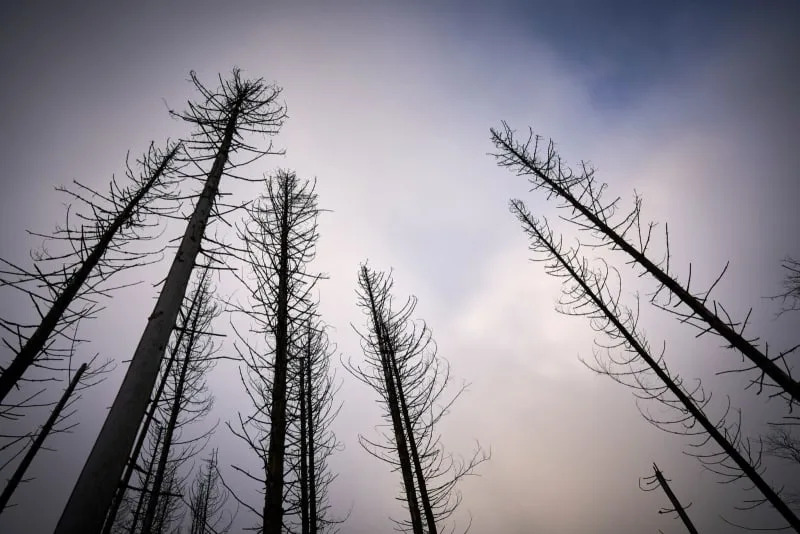
Whole sections of forests in Europe have been decimated by bark beetles, which cause immense damage to spruce. Sascha Ditscher/dpa
One well-known example is the European spruce bark beetle, Ips typographus, which has caused devastating outbreaks in spruce forests across parts of Europe. The discovery helps explain how bark beetles persist and thrive even when trees deploy chemical defences.
Fungal Ally: Beauveria bassiana
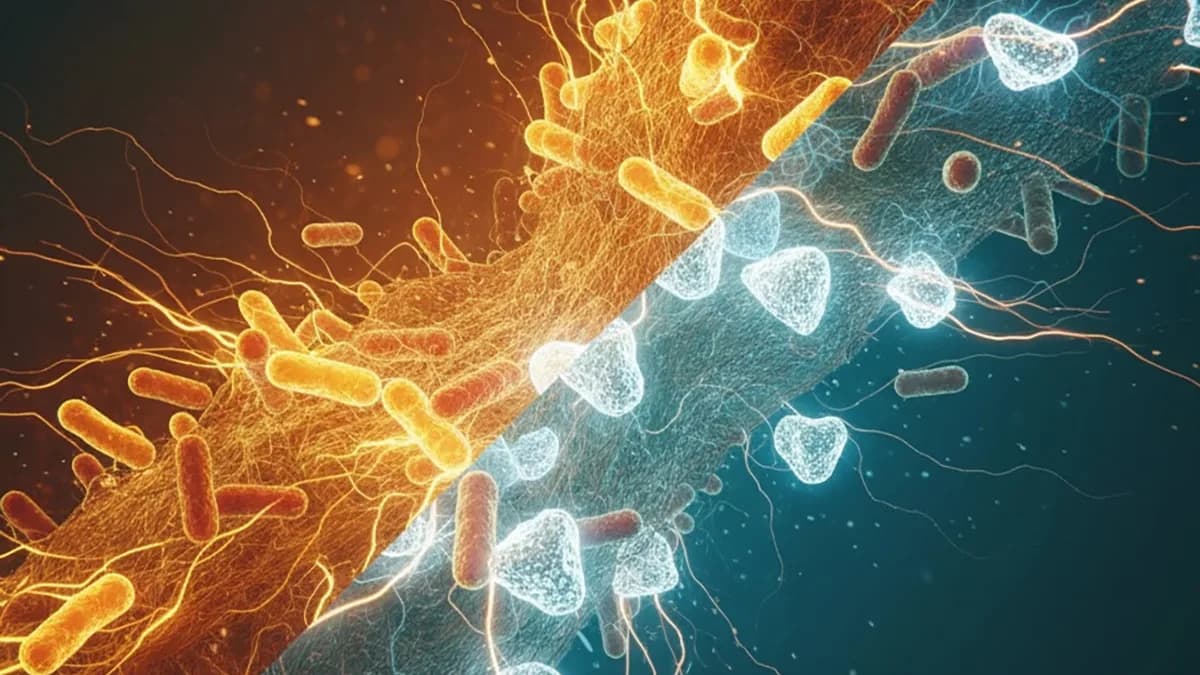
The team investigated interactions between the beetles' modified compounds and the insect-pathogenic fungus Beauveria bassiana, often studied as a biological control agent. While many past field trials of B. bassiana against bark beetles have been ineffective, the researchers isolated two strains that had naturally infected and killed beetles both inside galleries and under laboratory conditions. Genetic and biochemical tests identified both isolates as strains of B. bassiana.
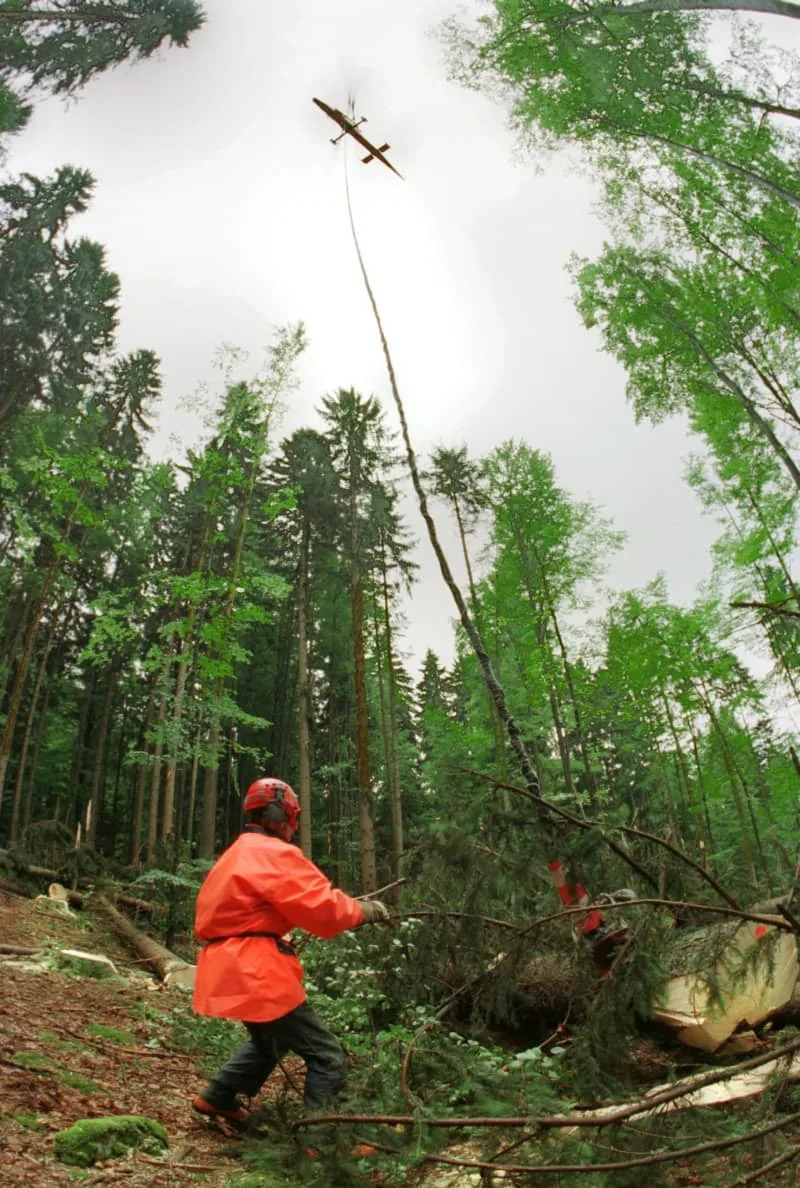
Bark beetles - here, German rangers struggle to combat the bugs in a national park in Bavaria. Stefan_Kiefer/dpa
Those fungal strains detoxify the beetle-altered compounds via a specific two-step enzymatic pathway, converting them into methyl glucoside derivatives that are harmless to the fungus. In other words, some strains can neutralize the beetle's chemical shield and successfully infect the insect.
"We did not expect that the beetles would be able to convert the spruce's defences into even more toxic derivatives in such a targeted way," said lead author Ruo Sun. "The successful infection of bark beetles with Beauveria bassiana is due to a highly specific detoxification pathway of the fungus," she added.
Study leader Jonathan Gershenzon emphasized the ecological significance: "We have shown how a bark beetle can use a tree's defence substances to defend itself against its own enemies. However, because one of the enemies, the ascomycete fungus Beauveria bassiana, has developed the ability to detoxify these antimicrobial defences, it can successfully infect the bark beetle and thus help the tree in fighting bark beetles."
Implications And Next Steps
The findings explain why B. bassiana effectiveness varies: strain-specific differences in the rate and pathways of toxin breakdown determine success. The authors recommend targeted screening to identify and test additional fungal strains that tolerate and degrade beetle-enhanced compounds. Such strains could form the biochemical basis for improved biological control of bark beetles in spruce and other conifers.
Researchers caution that translating this discovery into field-ready biocontrol tools will require further work: broader strain surveys, ecological safety testing, formulation and delivery methods, and field trials across different forest conditions. Nonetheless, the study opens a promising path for leveraging natural fungal enemies to help protect vulnerable forests.
Help us improve.