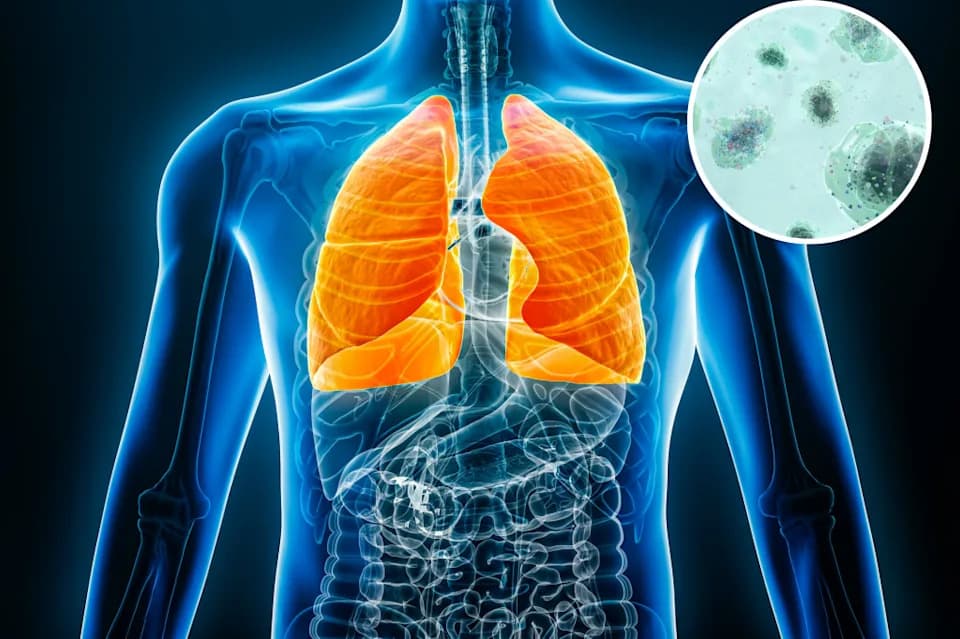
Researchers at the University of California, Riverside found that feeding microplastics to mice genetically prone to atherosclerosis sharply increased arterial plaque — but only in males. Male mice showed a 63% rise in the aortic root and a 624% increase in the brachiocephalic artery after nine weeks of exposure (10 mg/kg). Genetic and cell-culture studies implicate endothelial cell dysfunction and gene activation as likely drivers, and female mice showed no significant plaque buildup, suggesting sex-specific vulnerability.
Study Suggests Microplastics May Clog Arteries and Raise Heart Attack/Stroke Risk — Male Mice Most Affected

Getty Images
Microplastics — tiny plastic particles found throughout the environment — may do more than pollute our oceans and food. New laboratory research from the University of California, Riverside (UCR) suggests these particles can accumulate in arteries and actively promote the growth of atherosclerotic plaque, a key driver of heart attacks and strokes.
What the Study Did
Researchers fed microplastics to mice genetically predisposed to atherosclerosis while maintaining them on a low-cholesterol, low-fat diet for nine weeks. The microplastic dose was 10 mg per kg of body weight, a level the team describes as environmentally relevant and similar to what humans might encounter through contaminated food and water.
Key Findings
Despite no changes in body weight or total cholesterol, male mice showed striking increases in arterial plaque: a 63% rise in the aortic root and a 624% increase in the brachiocephalic artery. Female mice did not exhibit significant plaque accumulation under the same conditions.
Genetic analyses of male mouse aortas pointed to activation of genes in endothelial cells — the cells lining blood vessels — that favor plaque formation. Complementary experiments exposing cultured human endothelial cells to microplastics produced similar gene-activation patterns, suggesting the effect may translate beyond mice.
“Our study provides some of the strongest evidence so far that microplastics may directly contribute to cardiovascular disease, not just correlate with it,” said Changcheng Zhou, the study's principal investigator and a professor of biomedical sciences at UCR’s School of Medicine.
What This Means
The results indicate that chemicals or physical interactions from microplastics can trigger endothelial dysfunction and inflammation — early steps in atherosclerosis — independent of traditional risk factors such as obesity or high cholesterol. The observed sex difference suggests hormones or sex chromosomes (for example, the protective effects of estrogen) may modify susceptibility.
Public Health Takeaways
There is currently no established method to remove microplastics from the human body. As a precaution, the researchers and public-health experts recommend reducing exposure by avoiding single-use plastics when possible, limiting highly processed foods, not heating food in plastic containers, and minimizing bottled-water consumption.
Next Steps
The research team plans to test different types and sizes of microplastics, investigate the molecular mechanisms behind endothelial dysfunction, and explore why male and female arteries respond differently. As microplastic pollution rises globally, understanding its potential role in heart disease is an urgent research priority.
Study Source: University of California, Riverside; published in Environment International.
Help us improve.