2025 reshaped U.S. education: rapid federal policy changes, large Department of Education staffing cuts and renewed debates over student health, safety and parental rights combined with ongoing classroom challenges. Investigations exposed more than 300 school cyberattacks and surfaced dramatic data on literacy, teacher pay and disciplinary disparities. At the same time, data-driven reporting identified local "Bright Spots" where schools are beating the odds on reading and innovation.
2025 in U.S. Education: 25 Stories That Shaped Schools, Students and Learning

2025 was a consequential year for U.S. education. Rapid federal policy shifts, high-profile investigations, and persistent classroom challenges combined with local innovation to produce some of the most consequential reporting about schools in years. This roundup collects 25 deeply reported pieces that explain what changed, what didn’t, and what it means for students, families and educators.
Big Picture: Policy, Rights and Federal Shakeups
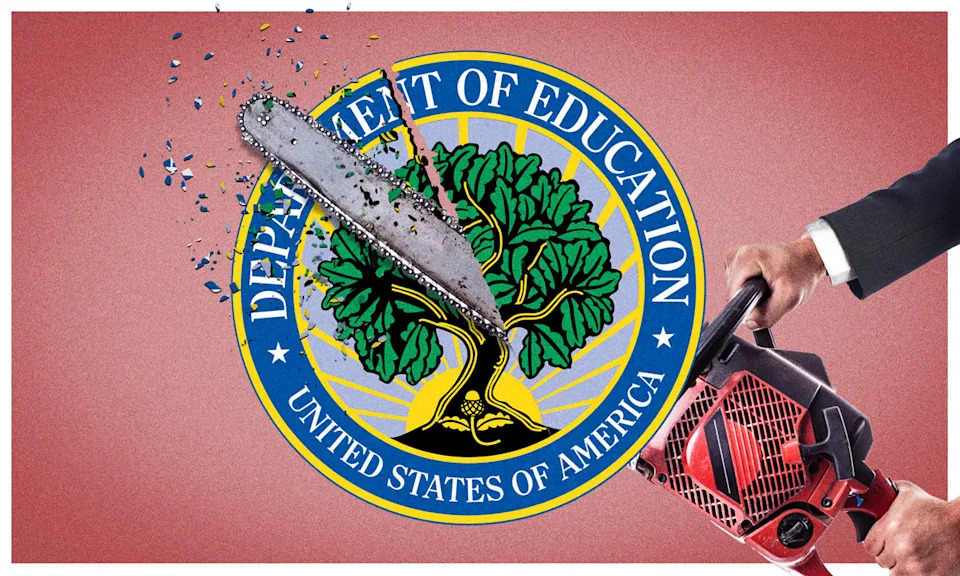
Within days of President Donald Trump’s January inauguration, sweeping changes to federal education policy began to unfold. Reporters at The 74 documented efforts to reduce the U.S. Department of Education’s workforce and budgetary authority. In March, a night-time purge cut more than 1,300 employees — a reduction that, combined with buyouts and retirements, left the department roughly half the size it had been just weeks earlier. Journalists probed how staffing cuts, research funding reductions and policy rollbacks could affect civil-rights enforcement, student protections and program oversight.
Child Welfare, Immigration and Health Policy
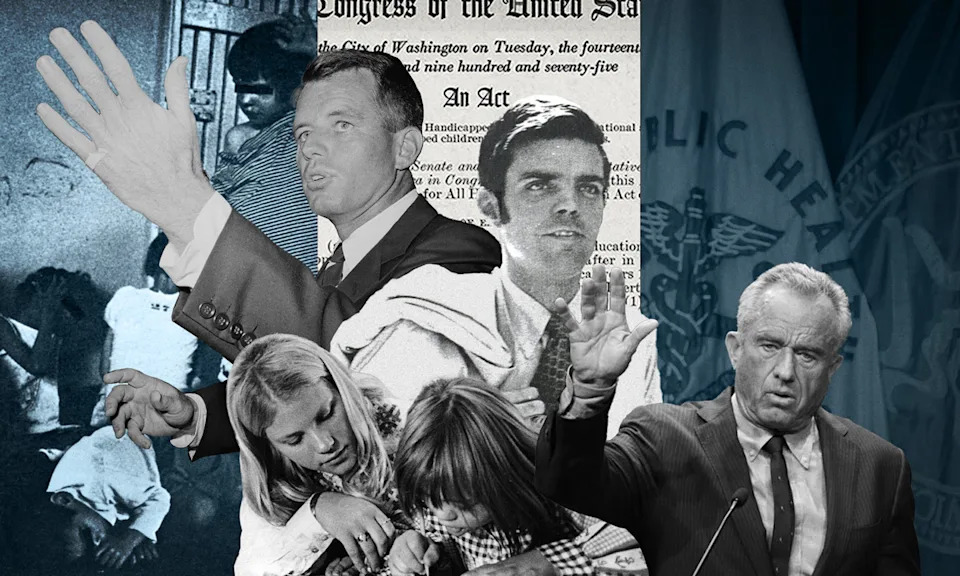
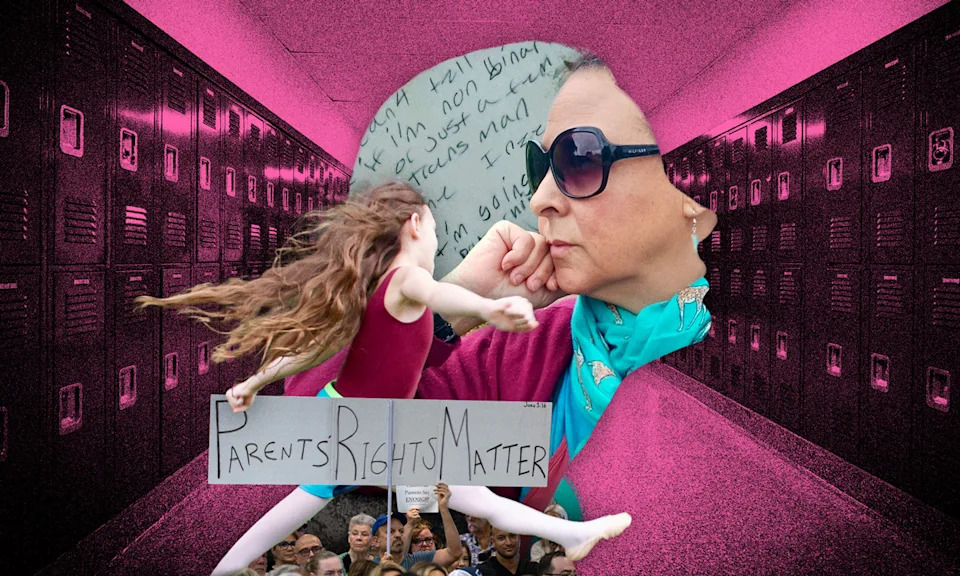
Our coverage also tracked immigration enforcement that led some families to keep children home or leave the country, and policy debates over vaccines after the nomination of Robert F. Kennedy Jr. to lead HHS alarmed public-health experts. Reporters documented the human toll of enforcement actions — including students leaving school or departing the U.S. entirely — and explored how federal rhetoric can ripple into district-level decisions.
Literacy, Data and Bright Spots
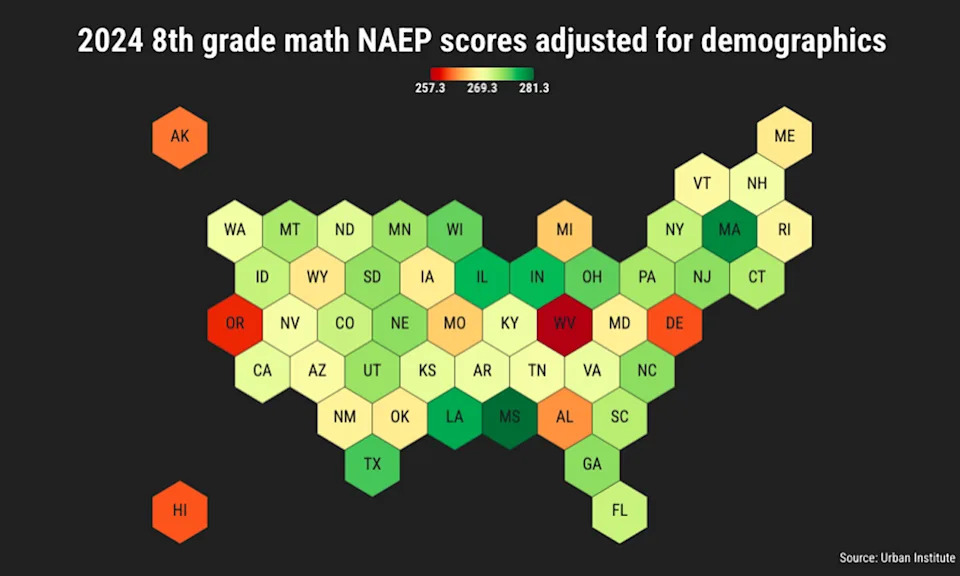
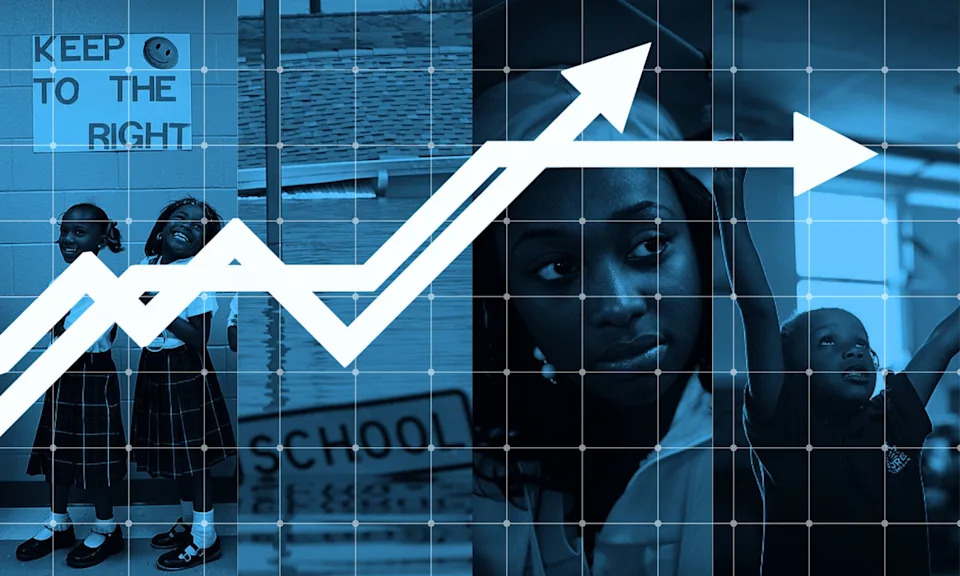
Literacy emerged as a dominant theme. Results from the National Assessment of Educational Progress painted a troubling national picture of early reading skills. To move beyond headlines, The 74 produced an interactive database — analyzing 10,000 districts, 42,000 schools and roughly 3 million students — to surface “Bright Spots”: schools and districts that are beating the odds on reading despite high poverty rates. That project highlights practical practices and local conditions that support stronger outcomes.
Cybersecurity, Accountability and Transparency
As cyberattacks against school systems increased, investigative reporting documented more than 300 incidents since 2020 and exposed patterns of obfuscation by some education leaders. The 2024 PowerSchool hack became one of the largest exposures of private student data; the accused pleaded guilty and received a four-year federal sentence plus $4 million in restitution. Our reporting examined how "privileged investigations" and legal maneuvers can keep families in the dark and slow accountability.
Teachers, Pay and Spending
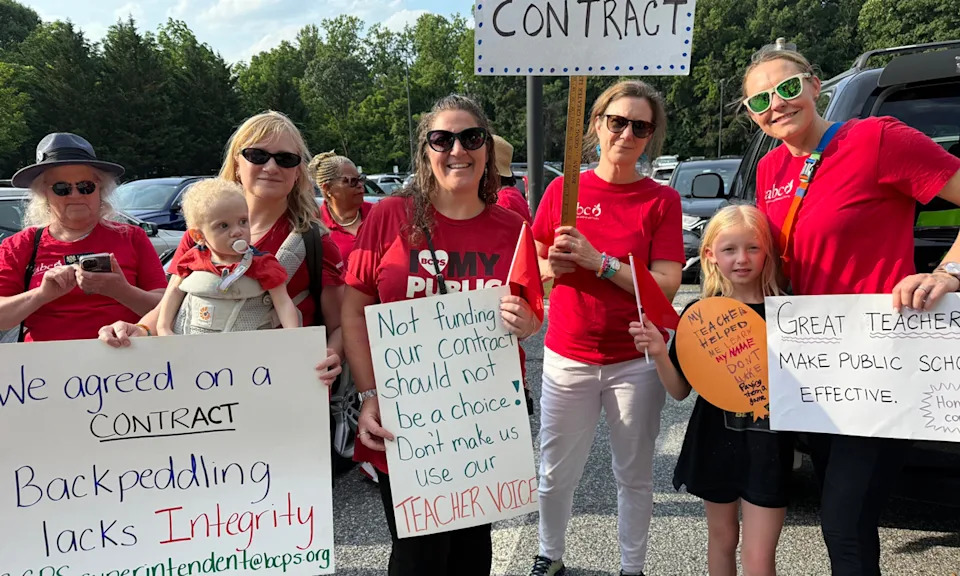
Data-driven analysis showed a persistent disconnect between rising school spending and stagnant teacher pay. For example, Los Angeles school spending rose about 108% from 2002 to 2022, while teacher pay increased by only about 5% in that interval. Nationally, inflation-adjusted teacher salaries have hovered near $70,000 for years, trailing other college-educated occupations and lagging behind per-pupil spending increases. Reporters explored the consequences for recruitment, retention and classroom quality.
Special Education, Discipline and Early Childhood
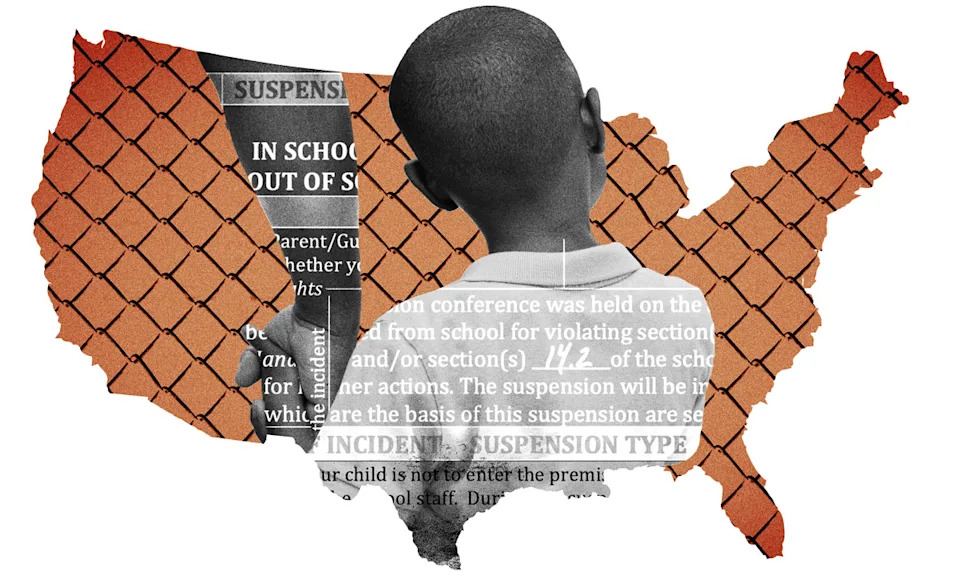
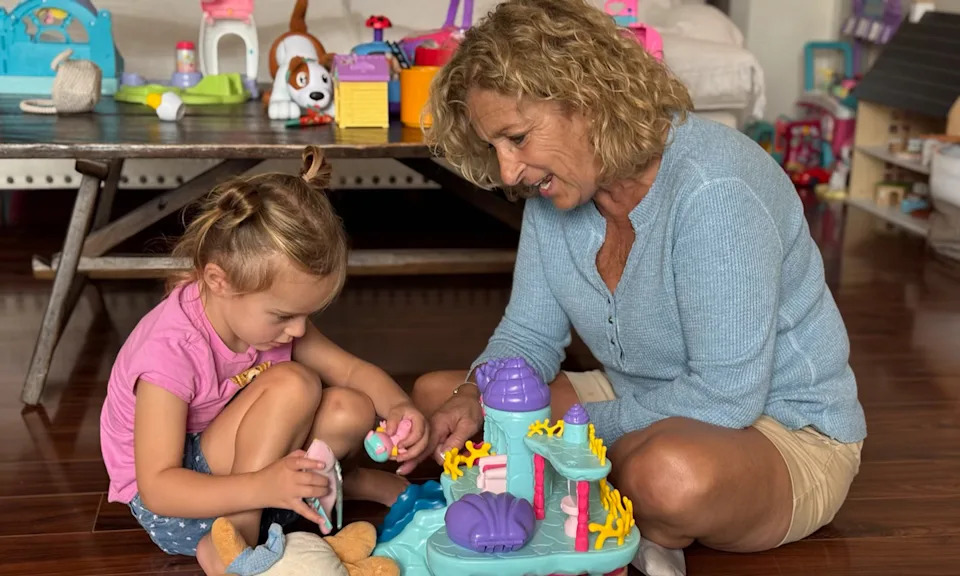
We documented long-running struggles in special education: from the 50-year legacy of the Individuals with Disabilities Education Act to contemporary disparities in discipline. Federal data showed stark geographic differences — for instance, about 15% of special education students in South Carolina faced out-of-school suspensions of up to 10 days in 2022–23, nearly double the national average. Coverage of early-childhood care expanded through our zero2eight vertical, examining pay and working conditions for early-intervention professionals and chronic underinvestment.
Technology, AI and Trust
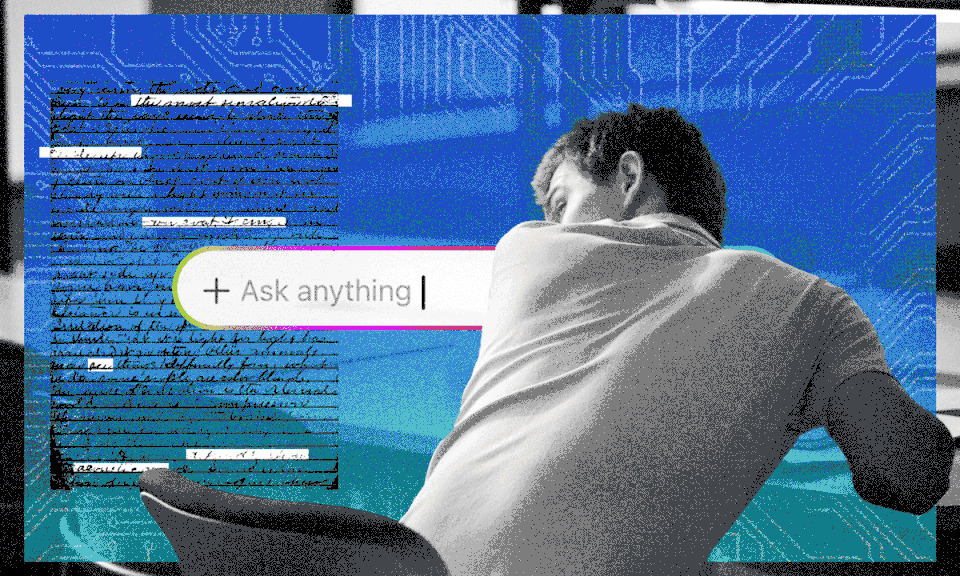
The rapid introduction of artificial intelligence into classrooms raised new questions about academic integrity and trust. Reporting highlighted research showing AI can erode teacher-student trust, push classrooms toward surveillance-style policing, and prompt reliance on imperfect AI-detection tools. Experts in our coverage urged a return to well-designed assignments, more in-class writing, and pedagogical shifts that reduce cheating incentives.
Local Innovations and Culture Wars
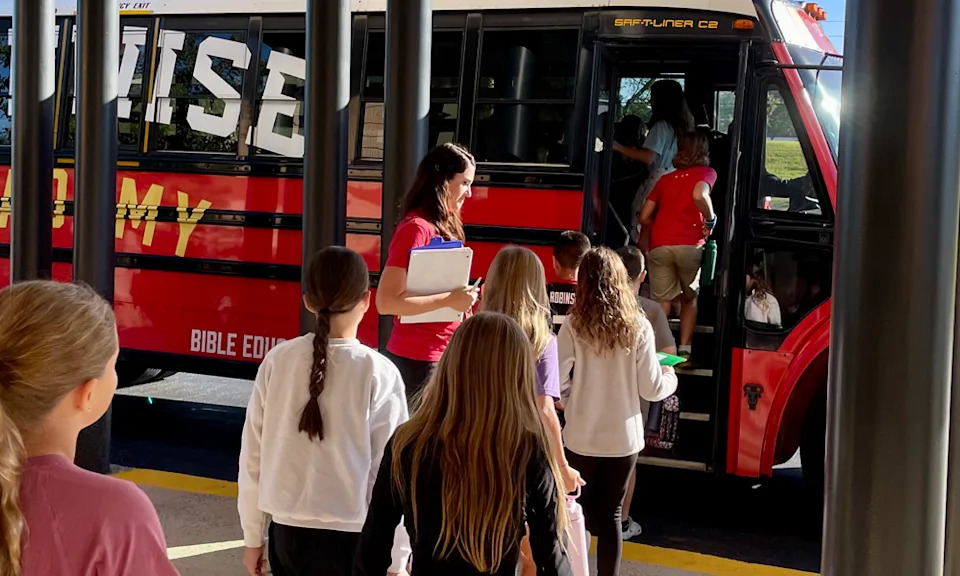
Stories also covered local battles over religious instruction (such as the spread of LifeWise Academy programs), evolving standards debates like Common Core math, and place-based innovations — from New Orleans’ post-Katrina reforms to Albuquerque schools blending sustainable agriculture with classroom learning. These pieces show how local choices and politics continue to shape the day-to-day experience of students.
Selected Reporting and Contributors
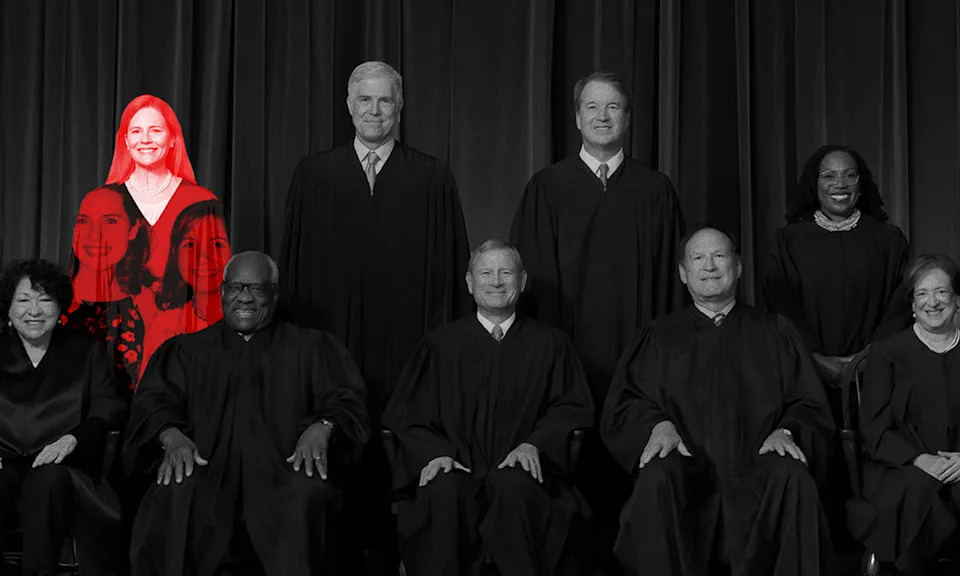
Notable pieces include Linda Jacobson’s reporting on Supreme Court recusal and the Oklahoma Catholic charter-school case; Greg Toppo on youth reading habits; Mark Keierleber’s investigations into school cyberattacks; Chad Aldeman and Eamonn Fitzmaurice’s Bright Spots interactive; and Amanda Geduld’s analyses of discipline and vaccine-policy implications. Each story combines data, reporting and human voices to illuminate complex education issues.
These 25 stories represent a cross-section of the year’s most consequential reporting on U.S. education — from systemic challenges to local innovations. We encourage readers to explore the full articles and interactive tools for more detail and context.