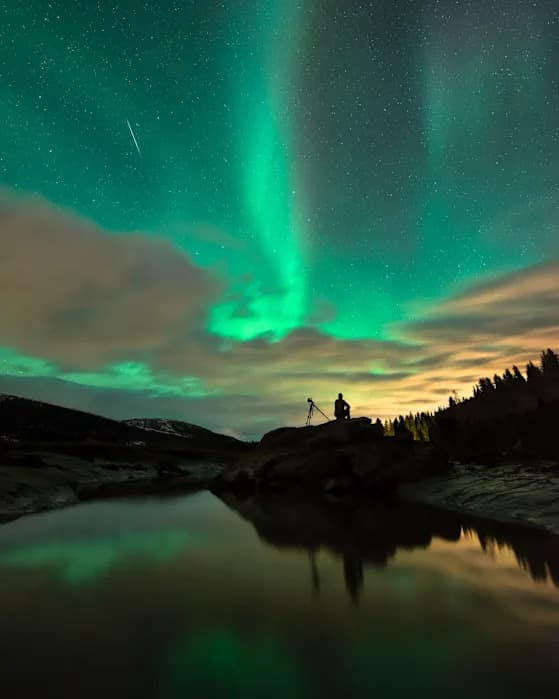
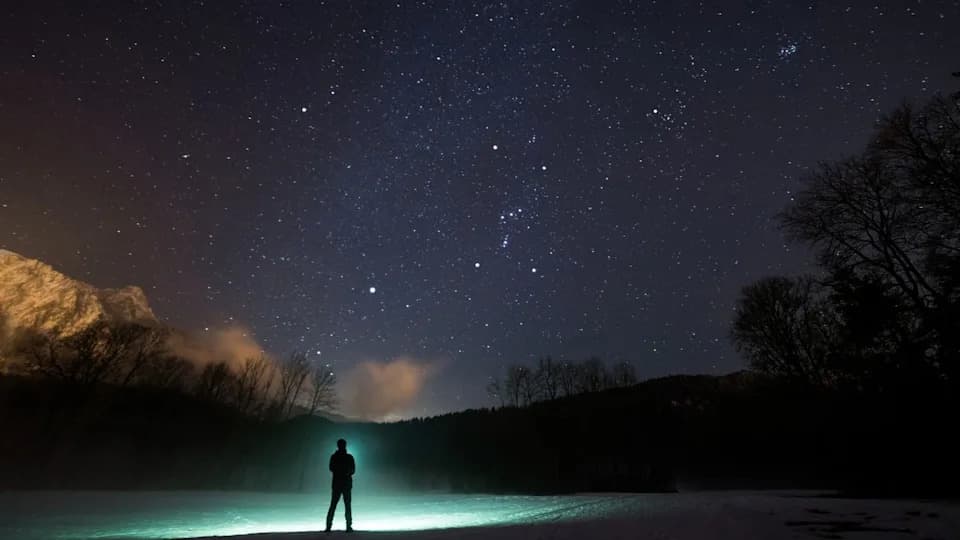
December skies over Wyoming feature two easily seen planets (Jupiter and Saturn), bright winter constellations, and two meteor showers. The Geminids peak overnight Dec. 13–14 and can deliver as many as ~120 meteors per hour under dark skies; the Ursids peak before dawn on Dec. 22 with about 10 meteors per hour. The full Cold Moon — a supermoon — occurs on Dec. 4, and Mercury may appear in the morning twilight around Dec. 25.
Wyoming Skies in December: Two Bright Planets, the Geminids and a Cold Moon
December brings the winter solstice on Dec. 21 and ushers in a season of crisp, snowy nights across Wyoming. Despite the cold, the sky offers plenty to see: roughly a dozen to fifteen first-magnitude stars and planets are visible on any clear night, led by brilliant Jupiter and the bright star Sirius.
What to look for tonight
As darkness falls, the three stars of the Summer Triangle — Altair, Vega and Deneb — remain visible midway up in the western sky. A few hours later Cygnus rises upright above the western horizon and reveals the familiar Northern Cross. The star Albireo, at the base of that cross, is a beautiful telescopic double showing striking gold-and-blue contrast.
High overhead you can spot Cassiopeia’s W (or M) and the four stars of the Great Square of Pegasus. Nearby, under dark skies, the fuzzy patch of the Andromeda Galaxy (M31) is visible to the naked eye; with binoculars you’ll get a clearer view of that spiral galaxy about 2.5 million light-years away.
Planets and notable stars
Facing east after sunset, Jupiter is the brightest object and dominates the early-evening sky. The Pleiades star cluster leads into the winter constellations, with the ruddy star Aldebaran marking the eye of Taurus and Capella glowing in Auriga. Later in the evening, Gemini and Orion rise in the east — Orion’s three-belt stars are unmistakable, and the red supergiant Betelgeuse marks Orion’s shoulder. Gemini’s twins, Castor and Pollux, sit nearby and are often seen alongside Jupiter’s steady light.
Both Jupiter and Saturn are easy targets this month: Jupiter rises after sunset and remains visible through the night, with the Moon passing close on Dec. 7. Golden Saturn sits high in the southwest at nightfall, with the Moon near it on Dec. 26. For early-morning observers, bright Mercury may appear low in the eastern twilight around Dec. 25.
Meteor showers: Geminids and Ursids
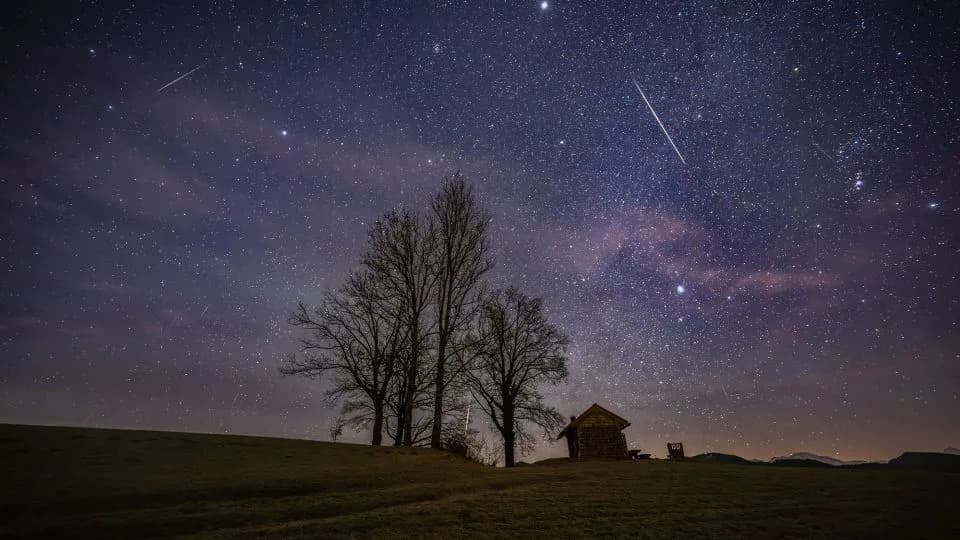
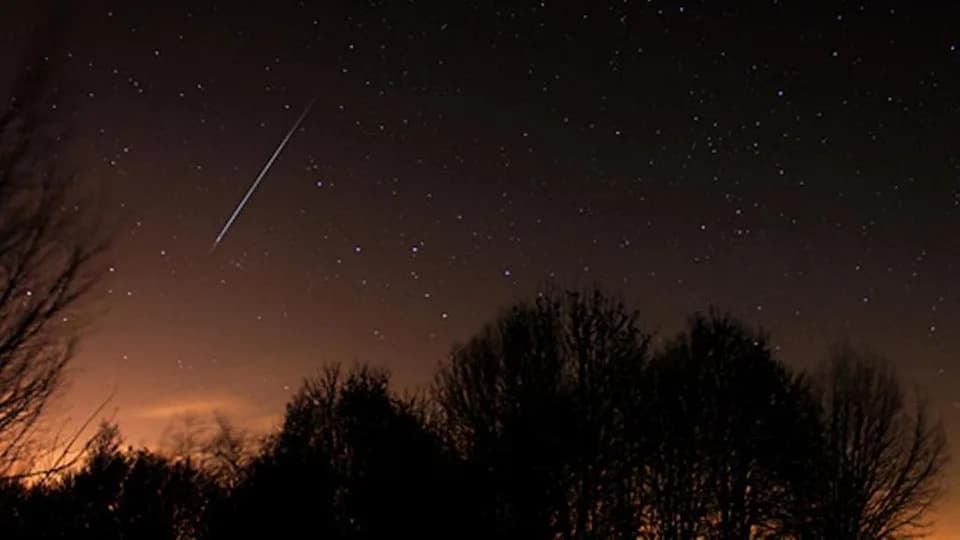
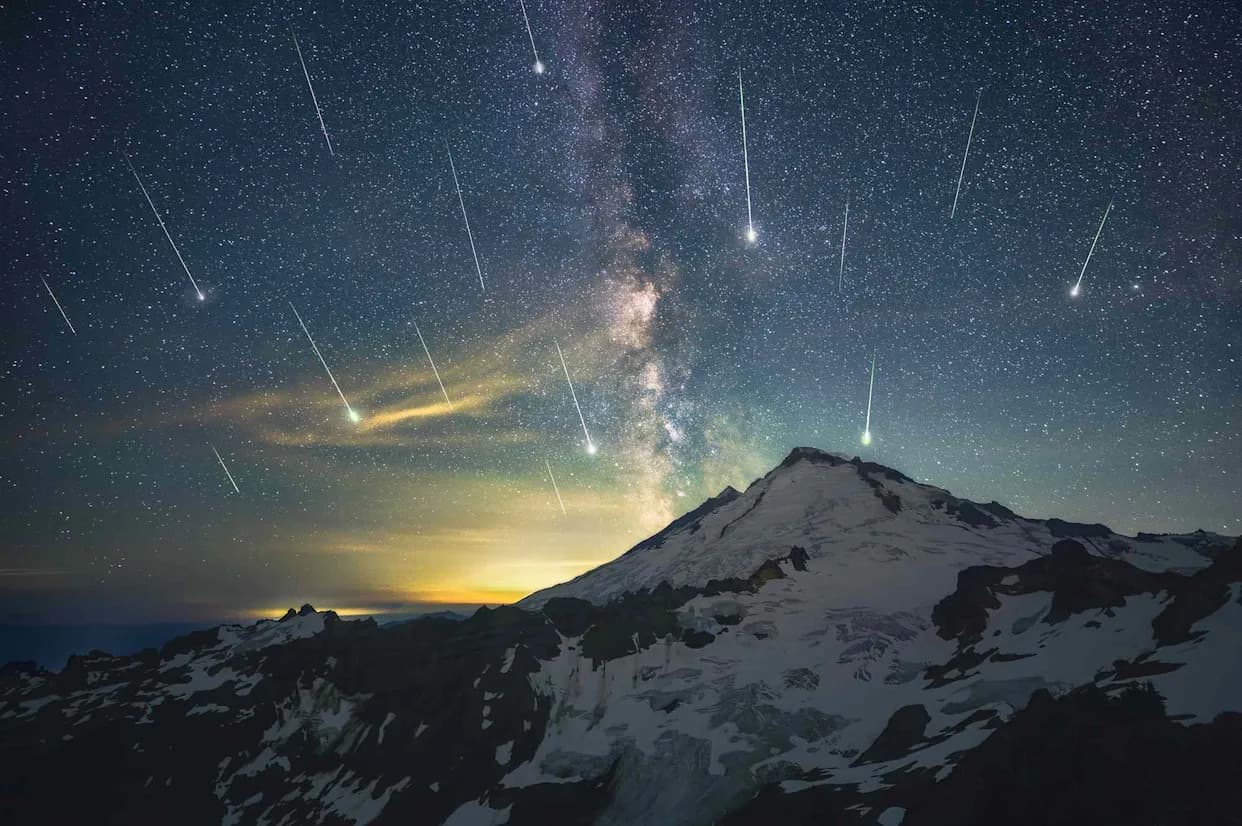
One of the year’s richest meteor displays, the Geminids, peaks overnight on Dec. 13–14. Moonlight should not significantly wash out the shower this year, and under dark, moonless conditions the Geminids can produce as many as ~120 meteors per hour. The shower’s radiant rises in mid-evening and is highest around 2 a.m., so you can see meteors well before bedtime.
In the early evening, when Gemini sits low near the eastern horizon, watch for an earthgrazer — a slow, long-lasting meteor that skims the atmosphere nearly horizontally and can be spectacular.
Fun fact: Most meteor showers come from comet debris, but the Geminids originate from debris associated with an asteroid.
The Ursids peak before dawn on Dec. 22. With a new Moon occurring shortly before the peak, skies should be dark and you might see roughly 10 meteors per hour under good conditions.
The Moon and supermoons
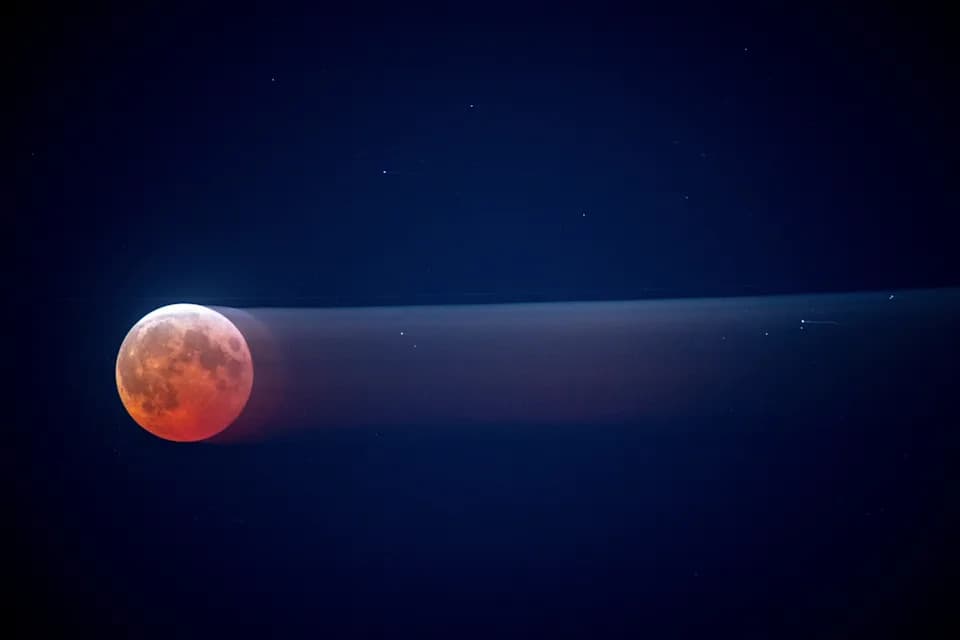
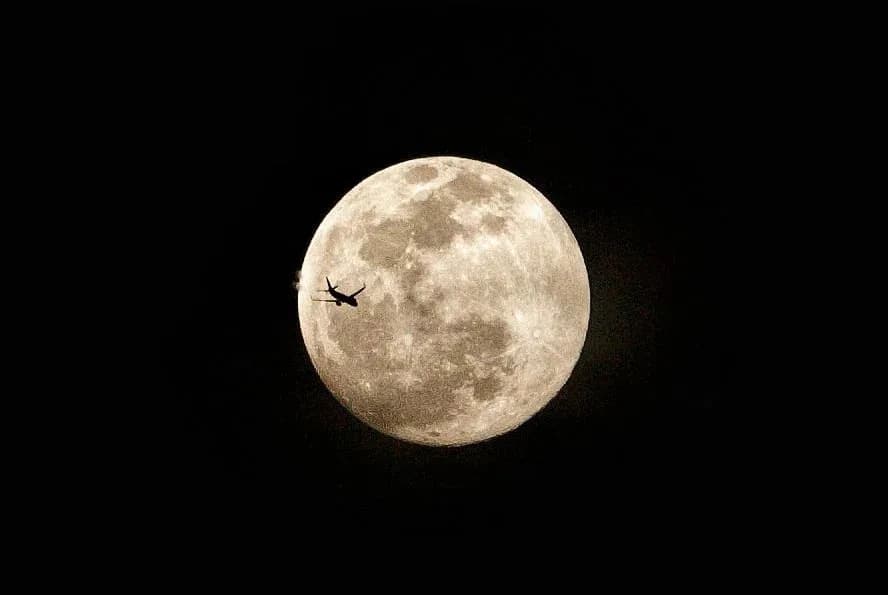
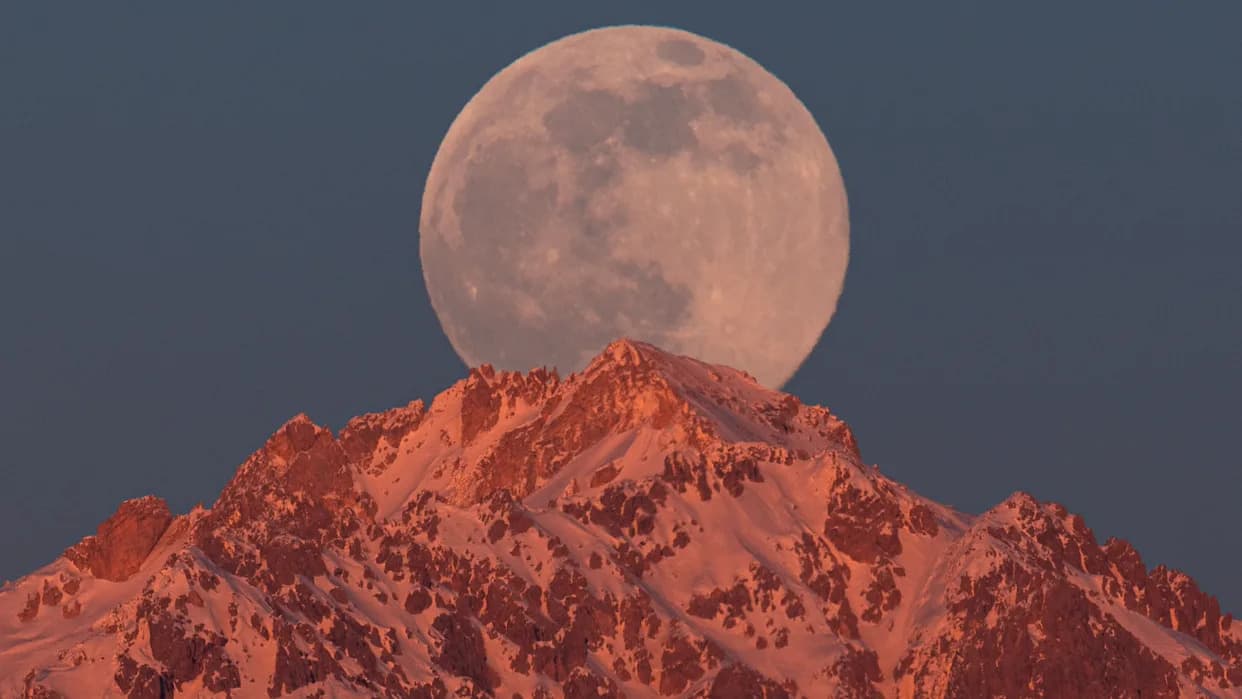
The full Cold Moon — the last supermoon of 2025 — falls on Dec. 4 and will light the night. Watch the Moon rise near the horizon to experience the classic "moon illusion," when the Moon appears larger near the horizon even though its apparent size doesn’t change. There is one more supermoon in January 2026, the final one in this series; supermoons may appear slightly brighter but not noticeably larger to the naked eye.
Viewing tips
Bundle up and find a dark, open spot with a clear view of the horizon. Let your eyes adapt to the dark for 15–20 minutes, and use binoculars to enhance views of the Pleiades, Andromeda and meteor tracks. Dress warmly and bring something comfortable to sit or lie on — the best meteor-watching often happens late into the night or before dawn.
Help us improve.