Vermont geologists have re-surveyed the Newport Quadrangle for the first time since 1951, updating a 74-year-old bedrock map. Field crews covered the southern Lake Memphremagog area by mountain bike just before snow halted work and credited local trails volunteers for assistance. The results will be incorporated into a statewide Bedrock Geologic Map due next year and will support infrastructure planning, land-use decisions, and environmental assessments. The updated map also documents faults such as the Honey Hollow Fault from East Richford to Huntington.
After 74 Years, Vermont Geologists Re-map Bedrock Beneath Newport Quadrangle

NEWPORT, Vt. — For the first time since 1951, Vermont geologists have completed a field re-survey of the bedrock beneath the Newport Quadrangle, updating a record that had not been revisited since the era before plate tectonics was widely accepted.
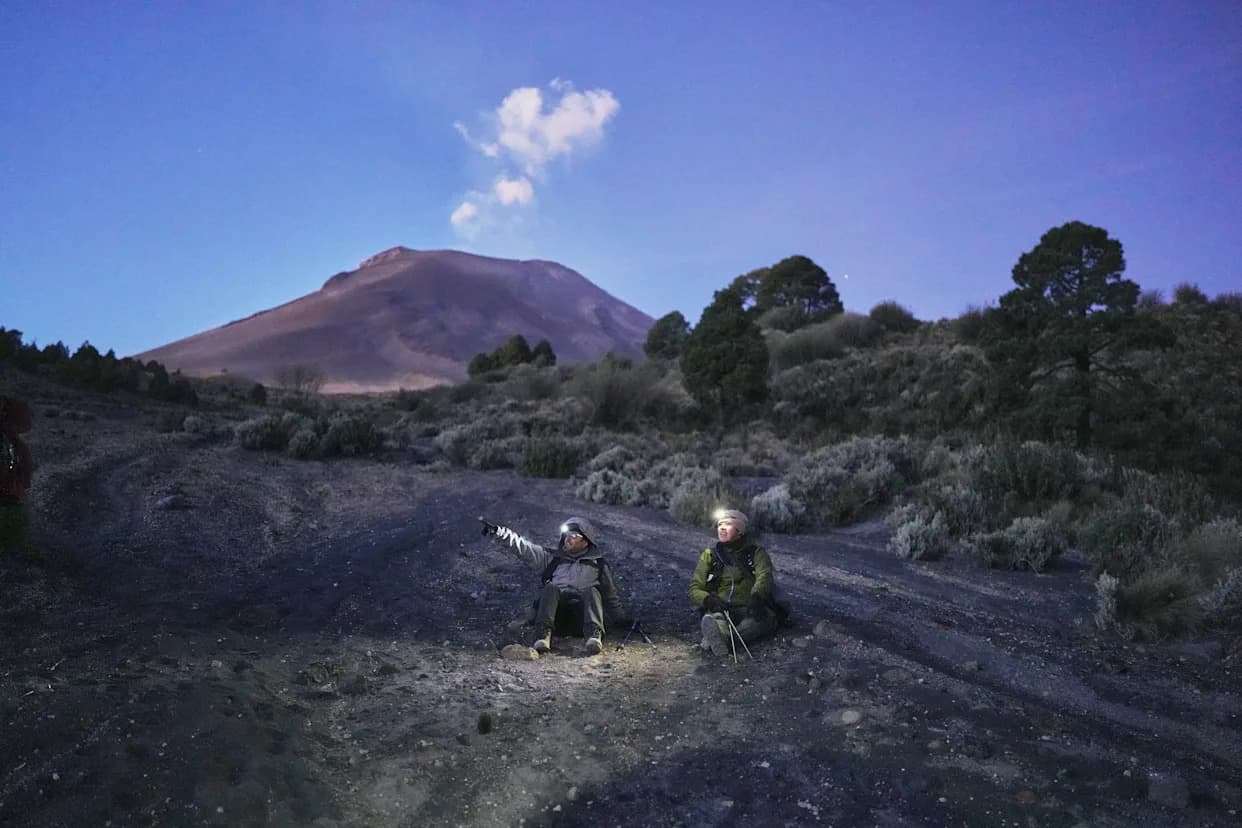
The Vermont Department of Environmental Conservation (VT DEC) said crews were granted permission to survey the southern Lake Memphremagog area by mountain bike, enabling teams to cover rugged terrain just before winter snow made field work impossible. VT DEC thanked the Lake Memphremagog Trails Association for volunteer support during what agency staff called a "beautiful day of field work."
Why the new map matters
The new data will feed into a statewide Bedrock Geologic Map slated for release next year. Bedrock maps record the origin and distribution of the rock beneath soil and are essential tools for scientists reconstructing regional geologic history. They also inform practical decisions — guiding infrastructure design, land-use planning, groundwater and mineral assessments, and safe waste disposal.
Although Vermont is not a hotspot for large earthquakes, the updated mapping documents the state's geologic faults. Among the features identified is the Honey Hollow Fault, which runs from the Canadian border at East Richford southward to Huntington.
Officials note the last comprehensive analysis of the area was completed in 1951, long before plate tectonics became the dominant framework for understanding how continents and crustal blocks move over millions of years. The updated mapping reflects modern techniques and field verification that improve the accuracy and usefulness of geologic information for both scientists and planners.
Help us improve.