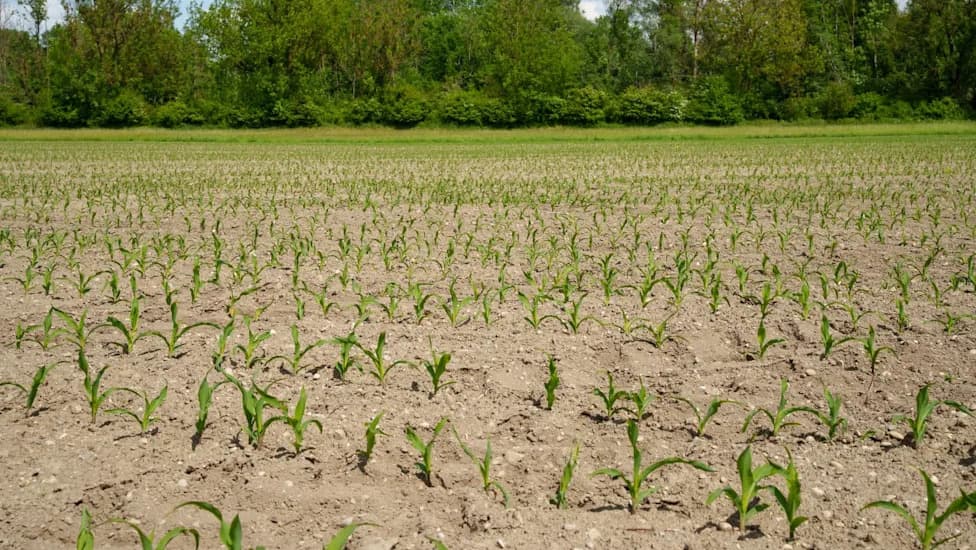
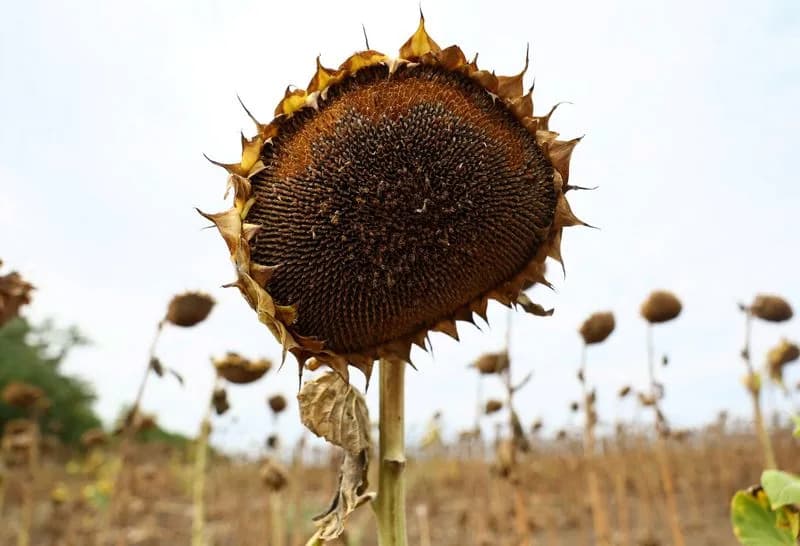
Farmers in Murang'a County watched maize, beans, tomatoes and avocado seedlings die after short rains that arrived and then stopped after about two weeks. Smallholders — many unable to afford irrigation — now face the cost of replanting and the prospect of lost meals and income. Officials recommend drought-tolerant, fast-maturing crops while extension officers provide guidance. Broader resilience will require better water management, regenerative practices and supportive policies.
Short Rains Vanish in Murang'a — Seedlings Wither and Farmers Face Heavy Losses
Farmers across Murang'a County, Kenya, are watching maize, beans, tomatoes and avocado seedlings wither after short rains that initially encouraged germination stopped almost overnight. The region's short rains, which normally fall between October and December and provide a crucial planting window, arrived this season and allowed newly sown seeds to sprout — but then ceased after roughly two weeks, leaving young plants to dry out.
"The crops germinated and sprouted well, but after a few days the rains disappeared and the young plants dried up," farmer Julius Maina said. "We are hopeful the rains will return, even though it's a huge loss, because I will have to purchase more seeds to replant."
For many smallholders in Murang'a, irrigation is prohibitively expensive, so families depend on rainfall to sustain their plots. With forecasts uncertain, replanting is a costly gamble that can deepen financial strain for households already living close to the margin. When a planting cycle collapses, families lose more than income — they face reduced meals, strained budgets and a loss of stability.
Local and wider impacts
Reduced local production tightens supplies and can push up grocery prices nationwide. As global temperatures rise and weather patterns become more erratic, these kinds of failures are occurring more frequently, increasing risks for the millions who rely on predictable growing seasons. Similar pressures have been reported elsewhere, from reduced yields in parts of Europe to shortages of particular fruits in other regions.
Advice and adaptation
Agricultural officials are urging farmers to adopt drought-tolerant and fast-maturing varieties such as sorghum, millet and green grams. Extension officers are offering guidance and support, but many farmers had already planted before warnings reached them. Where possible, affordable water-management measures, community irrigation schemes and soil-conserving practices can reduce risk.
Longer-term resilience will require a mix of approaches: supporting regenerative farming practices, reducing food waste, investing in accessible water infrastructure and enacting policies that help smallholders adapt to more volatile weather. Communities, policymakers and consumers all have a role to play by learning about the climate drivers behind these shifts and backing efforts that protect food security through smarter land and water use.
What farmers said: Local growers expressed frustration at lost time and expense, but many held hope that timely rains or targeted support could salvage part of the season.
Help us improve.