Sunflower seed yields in Balochistan have fallen sharply this season as drought and rising temperatures tighten water supplies. In Nushki district production plunged from 150 tonnes in 2024 to just 900 kilograms this season, prompting Pakistan to import over $33 million in seeds in 2024. Provincial researchers are developing drought‑tolerant hybrids while traders increase imports to stabilize winter supplies. The decline mirrors global climate-driven crop losses and threatens both farmer incomes and local food traditions.
Sunflower Seed Harvests Plummet in Balochistan as Drought and Heat Bite
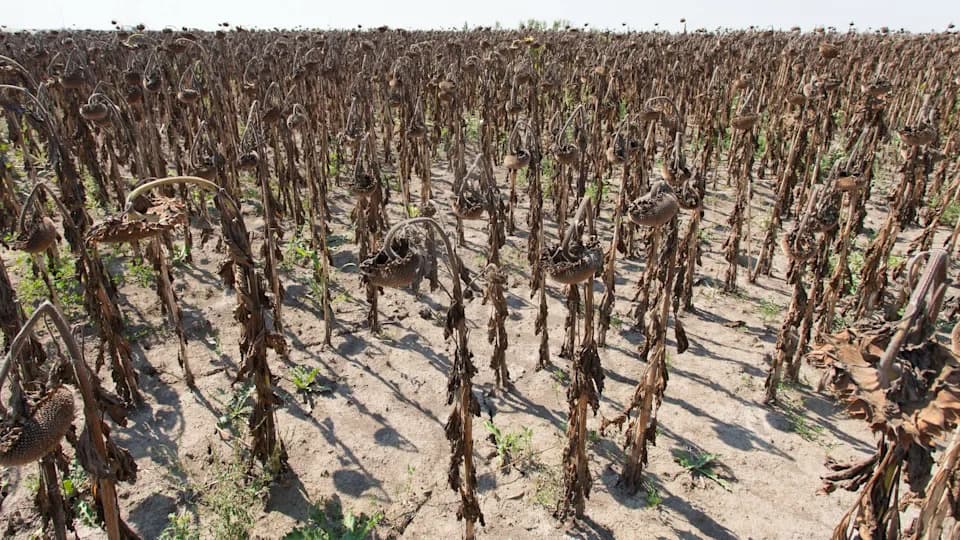
As winter arrives in Pakistan's southwestern province of Balochistan, a long-standing seasonal snack — roasted sunflower seeds — has become scarce. Farmers and traders report sharply reduced yields as rising temperatures and persistent water shortages reshape livelihoods and winter food traditions.
Falling Yields and Local Impact
Sunflower seed production across Balochistan has declined dramatically amid an extended drought. Pakistan's Meteorological Department placed 12 districts under a drought watch in October, underscoring how hotter, drier conditions are tightening water supplies and squeezing agricultural output.
In Nushki district the decline has been especially severe: reported production fell from 150 tonnes in 2024 to just 900 kilograms this season. Farmer Muhammad Arif Baloch told Arab News the crop is now 'low-profit,' and many growers have stopped planting sunflowers altogether.
Imports and Market Response
The shortfall has pushed Pakistan — once an exporter of sunflower seeds — to depend heavily on imports. In 2024 the country imported more than $33 million worth of sunflower seeds, chiefly from China, Romania, Turkey, Australia and South Africa. Local wholesalers say they have had to bring in thousands of sacks to satisfy winter demand and help stabilize prices.
Government And Research Efforts
Provincial officials say they are stepping in to help farmers adapt. Balochistan's agricultural research department is developing drought-tolerant hybrid sunflower seeds and scaling up seed multiplication efforts. Officials are also advising farmers on which varieties are most likely to perform under water stress.
"Sunflowers are a relatively short crop — roughly a three-month cycle — which could make them viable if drought-tolerant varieties and supportive practices are available," officials said.
Global Context
The situation in Balochistan reflects a wider pattern: climate-driven heat and water shortages are disrupting staple crops worldwide. In Pennsylvania, potato growers report warmer nighttime temperatures that threaten yields; in Greece, chestnut producers say repeated heatwaves and droughts have sharply cut harvests.
What Comes Next
For households across Balochistan, shrinking harvests mean reduced income for growers and a less stable supply of an inexpensive seasonal staple. Farmers and local traders hope improved seed varieties, better water management, and sustained government support will preserve this winter tradition and the incomes tied to it. Consumers can also help by choosing locally grown seeds when available and supporting markets that work with regional farmers.
Help us improve.