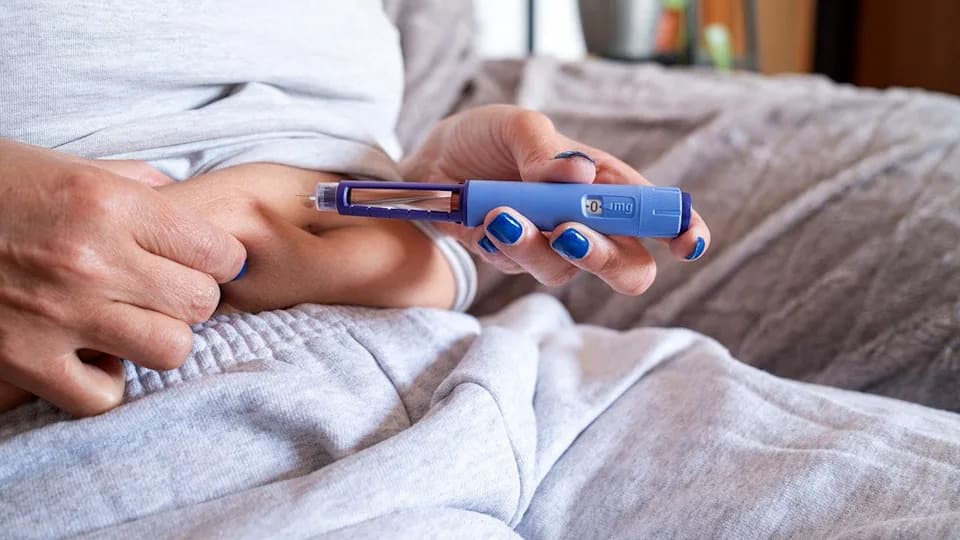
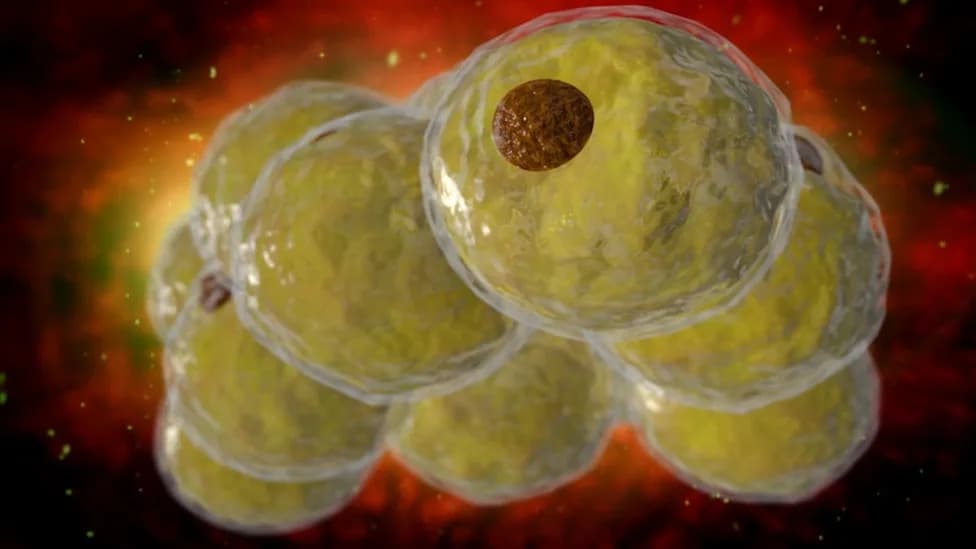
This small brain-recording case followed a 60-year-old woman with obesity and loss-of-control eating who was taking tirzepatide. Implanted electrodes in the nucleus accumbens showed the drug temporarily suppressed craving-linked electrical activity and reduced obsessive food thoughts. After about five months the neural "food noise" and food preoccupation returned, indicating the effect may be transient. Researchers say larger studies are needed to confirm these neural findings and to develop lasting treatments for binge eating and food preoccupation.
Tirzepatide Quieted 'Food Noise' in a Brain-Recorded Case — Effect Wore Off After Several Months

Researchers who recorded brain activity from implanted electrodes report that tirzepatide, the dual GIP/GLP-1 receptor agonist marketed as Mounjaro and Zepbound, temporarily suppressed intrusive, obsessive food thoughts — a phenomenon the team calls "food noise" — in a 60-year-old woman with severe obesity and type 2 diabetes. The calming effect corresponded with reduced electrical activity in the nucleus accumbens (NAc), a reward center linked to impulsivity and craving. However, after roughly five months the craving-linked signals and the patient’s food preoccupation returned, suggesting the drug’s impact on these neural patterns may not be permanent.
Study details and patient history
The case comes from a small study in which the Penn research team used implanted electrodes to monitor NAc activity in people with loss-of-control eating. The published report focuses on one participant, described as "patient 3," who had long struggled with continual snacking, frequent takeout of high-fat or highly processed foods, and episodes of eating to uncomfortable fullness despite wanting to stop.
The patient also had type 2 diabetes and had been taking the GLP-1 agonist dulaglutide (Trulicity) without meaningful changes in cravings or weight. She had previously tried bariatric surgery, behavioral therapy and other medications. Prior to receiving any electrical stimulation in the trial, she was already taking tirzepatide, which gave investigators a rare opportunity to record the drug’s effects on human NAc activity.
What the recordings showed
As the participant reached therapeutic dosing of tirzepatide, the team observed a marked reduction in NAc activity patterns linked to craving and intrusive food thoughts, and the patient reported an absence of obsessive food preoccupation. About five months into monitoring, craving-related NAc signals reemerged alongside renewed food preoccupation and snacking behaviors.
"Although this study only featured the data from one person taking tirzepatide, it provides compelling data about how GLP-1 and GIP inhibitors alter electrical signals in the brain," said Wonkyung Choi, a co–first author and PhD candidate at the University of Pennsylvania School of Medicine.
Study co-author Kelly Allison, a professor of psychiatry, added that GLP-1 and GIP agents are effective for blood sugar control and weight loss, and this case suggests they may also help reduce food preoccupation — at least temporarily. Senior author Dr. Casey Halpern emphasized the preliminary nature of the findings and the rarity of direct human brain recordings in this context.
Interpretation and next steps
This single-case observation indicates that tirzepatide can modulate neural signals in a reward hub associated with craving, but it does not establish long-term efficacy against binge-eating or obsessive food thoughts. The authors call for larger, controlled studies to determine whether these neural changes are reproducible, how long they last, and whether different dosing, combination therapies or new agents can produce safe, durable relief from food preoccupation and related impulsivity traits.
Caveats: This report describes one participant and cannot be generalized. GLP-1 and GIP receptor agonists are not FDA-approved specifically to treat food preoccupation or binge eating. Patients should consult their clinicians before making medication decisions.
Help us improve.