Spanish researchers report that intermittent, low doses of aspartame—about one-sixth of the WHO's safe daily intake—caused mice to lose 10–20% body fat but also produced reduced cardiac pumping, subtle heart structural changes, and an early rise then sharp fall in brain glucose uptake. Treated animals showed mild cognitive decline on memory and maze tests. The authors call for more research and advise caution, particularly for children, while noting that animal results may not directly apply to humans.
Low, Intermittent Aspartame Doses Linked to Heart Strain and Altered Brain Metabolism in Mice

There are various natural sugars and also artificial sweeteners with varying degrees of sweetness. One stands out for potential negative health effects, researchers say. Franziska Gabbert/dpa
A new animal study from Spain reports that intermittent, low doses of the artificial sweetener aspartame produced measurable changes in heart function and brain metabolism in male mice over one year.
Researchers added aspartame to the animals' diets for a few days every two weeks. The cumulative dose equaled roughly one-sixth of the World Health Organization’s currently considered safe daily intake for humans (ADI).
Key Findings
Weight and body composition: Mice receiving aspartame lost more weight and finished the study with about 10–20% less body fat than control animals.
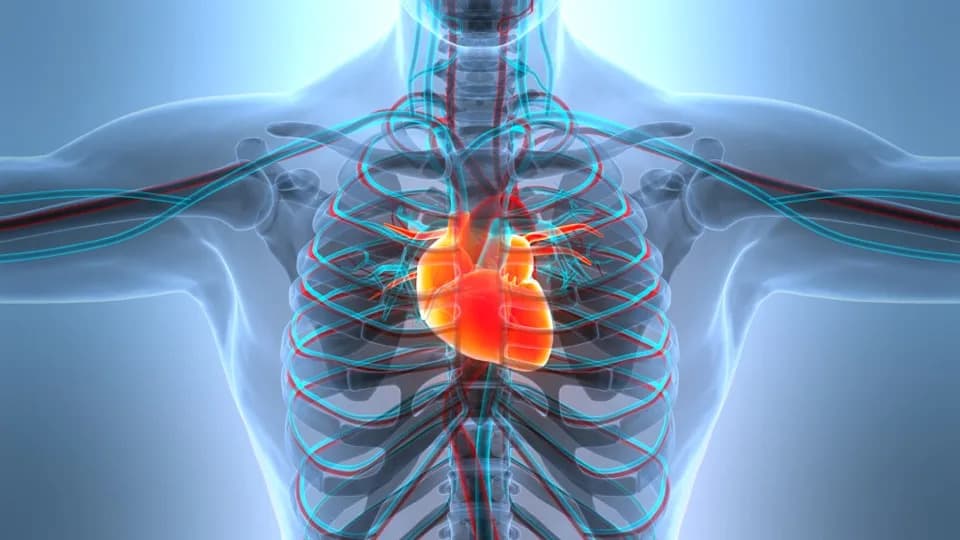
Heart effects: Examinations showed reduced cardiac pumping efficiency and subtle structural alterations in treated animals, findings the authors interpret as signs of increased stress on the heart.
Brain metabolism: Brain glucose uptake rose at the start of the trial but fell sharply by the end, a shift that could impair brain function over time.
Cognitive performance: Treated mice performed worse on memory and learning tasks, moving more slowly and taking longer to complete mazes—changes the researchers describe as mild cognitive decline.
"Until the neurological sequelae of aspartame are better understood, children and adolescents should probably avoid aspartame as far as possible, especially as a regular component of the diet," the study authors write.
Context And Caveats
Chemically, aspartame is formed by joining two amino acids (phenylalanine and aspartic acid) with a methyl ester. Although long-suspected by some to raise cancer risk, no consistent scientific evidence supports that link.
Separately, an observational study of nearly 13,000 people published in September associated aspartame and other sweeteners with declining cognition, particularly among people with diabetes. However, observational human studies cannot prove causation, and results can reflect confounding factors.
Importantly, this new work was performed in mice using an intermittent dosing schedule. Animal findings do not directly translate to humans; differences in metabolism, exposure patterns, and dose scaling mean human effects are uncertain. The authors call for additional research, including studies designed to assess whether similar effects occur in people and whether current safety limits should be reassessed.
Takeaway
The study raises questions about potential low-dose, long-term effects of aspartame on heart and brain health in animals. It does not prove the same outcomes would occur in humans, but the results support further investigation and a cautious approach—especially for children and adolescents—until more is known.
Help us improve.