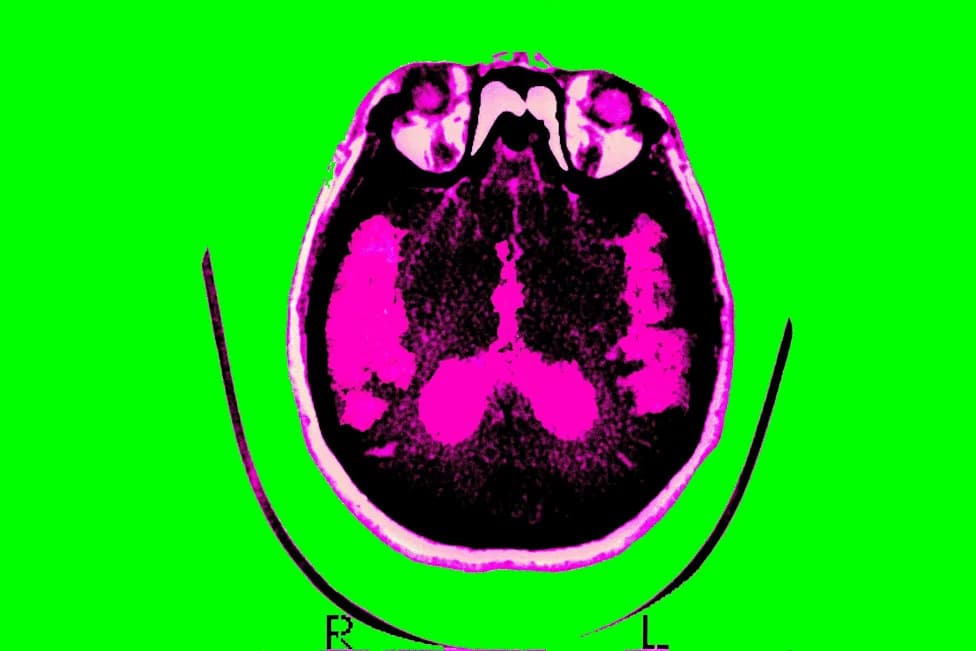
Scientists found that restoring the cellular energy molecule NAD+ with the compound P7C3-A20 reversed amyloid and tau accumulation and restored cognition in two Alzheimer’s mouse models. Treated mice also showed normalized blood levels of phosphorylated tau 217 (p‑tau217), a key human biomarker. The work is preclinical and may not translate directly to humans; authors warn against indiscriminate use of OTC NAD+ supplements and call for controlled human trials. Researchers recommend proven lifestyle measures to support brain health while clinical research continues.
Restoring Brain Energy Reversed Alzheimer’s Signs In Mice, Study Finds — NAD+ Therapy Shows Promise

Alzheimer’s disease could be reversed by restoring brain balance, study suggests
Researchers report that restoring a central cellular energy molecule in the brain reversed hallmark features of Alzheimer’s disease in mice, including structural brain changes and cognitive decline. The study, led by University Hospitals Cleveland Medical Center and published in Cell Reports Medicine, used the compound P7C3-A20 to normalize levels of nicotinamide adenine dinucleotide (NAD+) in two established Alzheimer’s mouse models.
Key Findings
The investigators analyzed two Alzheimer’s mouse models and also examined human Alzheimer’s brain tissue, finding pronounced declines in NAD+ levels. When NAD+ was restored with P7C3-A20, mice treated before disease onset largely avoided developing Alzheimer’s pathology. In animals with advanced disease, the treatment reduced amyloid and tau accumulation and fully restored cognitive performance in behavioral tests.

Scientists may have pinpointed a way to reverse Alzheimer’s disease in an animal study.
"When NAD+ falls below necessary levels, cells cannot effectively perform essential maintenance and survival functions," said senior author Andrew A. Pieper, M.D., Ph.D., director of the Brain Health Medicines Center at the Harrington Discovery Institute at University Hospitals in Cleveland.
Treated animals also showed normalization of blood phosphorylated tau 217 (p‑tau217), a biomarker commonly used in human Alzheimer’s research, which strengthens the translational relevance of the results. The team noted that the reversal was striking despite not directly targeting amyloid plaques, suggesting that restoring cellular energy balance may address upstream drivers of neurodegeneration.
Context, Cautions, and Next Steps
Independent expert Dr. Charles Brenner, chief scientific advisor for Niagen, emphasized the importance of NAD+ in tissues with high energy demand: the brain consumes roughly 20% of the body's energy and relies on NAD+ for cellular energy production and DNA repair. Previous work from the same lab also showed benefits from restoring NAD+ after severe traumatic brain injury.

The study found that restoring a central cellular energy molecule in mice’s brains reversed the markers of the disease.
However, the authors stressed major caveats: these experiments were performed in mouse models and may not directly translate to humans. "Alzheimer's is a complex, multifactorial, uniquely human disease," Pieper said, noting that efficacy in animals does not guarantee similar results in people. The investigators call for careful translation into human trials.
The team also warned about over-the-counter NAD+-boosting supplements. In some animal studies, indiscriminately raising cellular NAD+ to excessively high levels has been associated with cancer promotion. According to the researchers, P7C3-A20 appears to help cells restore appropriate NAD+ balance under stress without driving levels excessively high, but safety and efficacy in humans remain unproven. Anyone considering NAD+-modulating supplements should discuss risks and potential benefits with their physician.
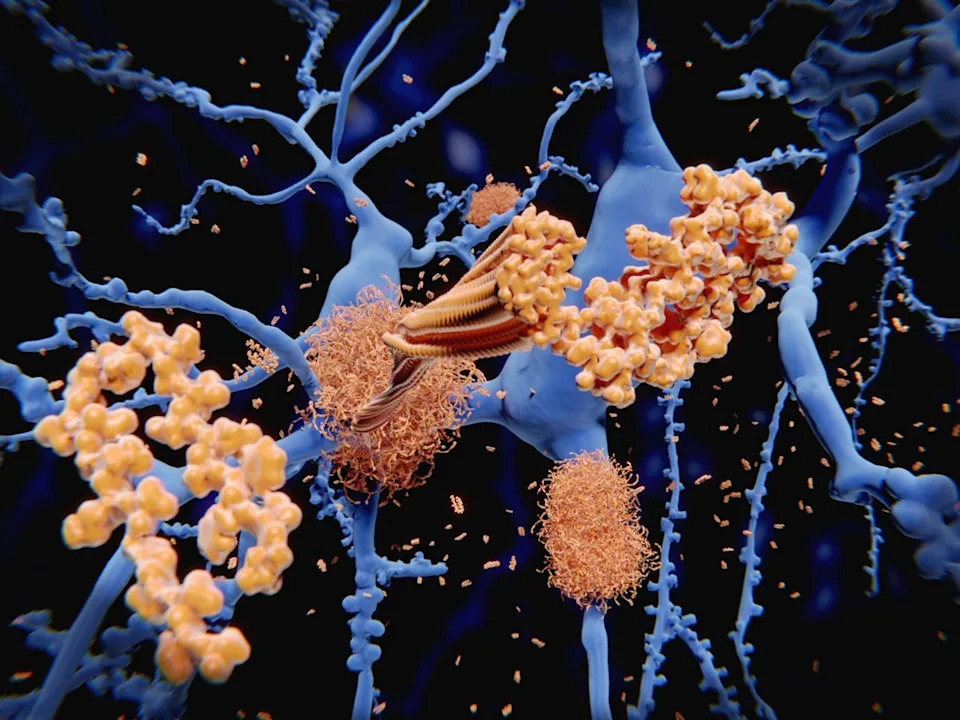
Restoring normal levels of NAD+ reversed amyloid and tau build-up in brains with advanced Alzheimer's disease.
Practical Takeaways
While clinical application is still speculative, the findings suggest a new therapeutic avenue worth exploring in human studies. Meanwhile, the authors reinforce established lifestyle measures that support brain resilience: sufficient sleep, a MIND or Mediterranean-style diet, regular physical and cognitive activity, social engagement, addressing hearing loss, protecting against head injury, limiting alcohol, and controlling cardiovascular risk factors such as blood pressure and avoiding smoking.
The research was conducted in collaboration with Case Western Reserve University and the Louis Stokes Cleveland VA Medical Center and was published in Cell Reports Medicine.
Help us improve.