CRBC News
Health

FDA Asks Drugmakers to Remove Suicide Warnings From Popular GLP-1 Weight-Loss Labels

FDA Asks Drugmakers to Remove Suicide Warnings From Popular GLP-1 Weight-Loss Labels
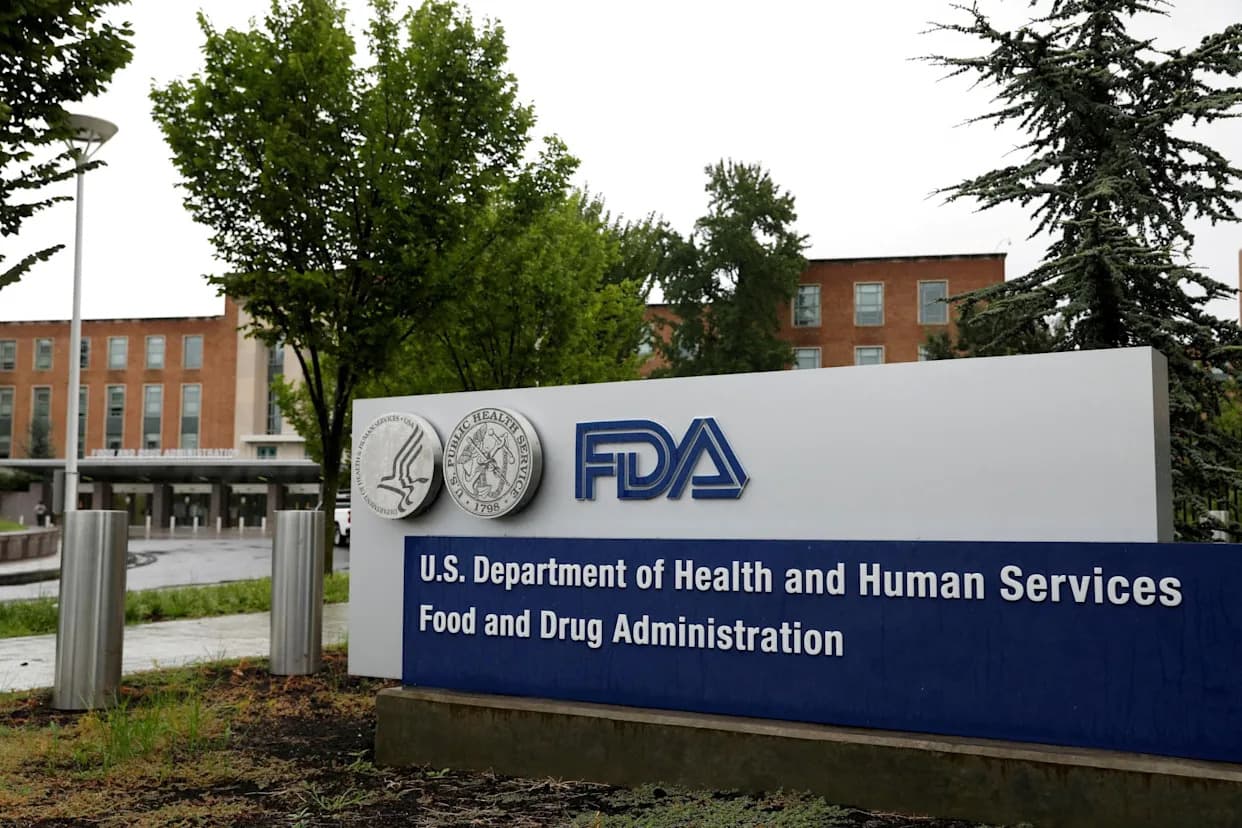
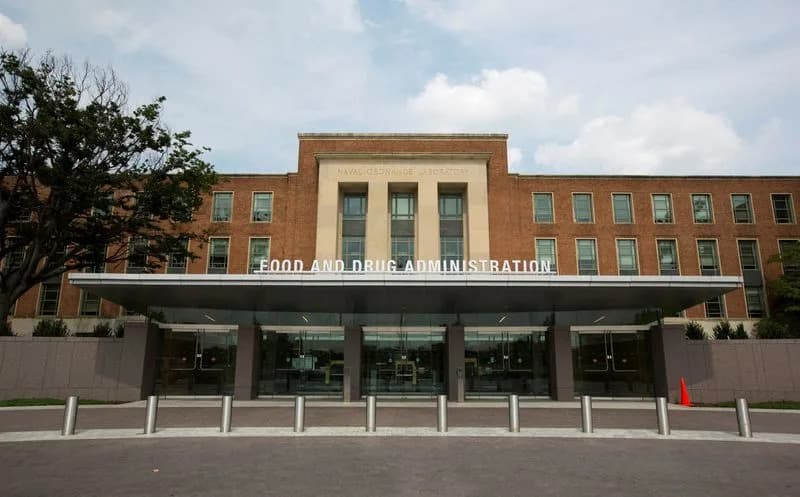
FILE PHOTO: A view shows the U.S. Food and Drug Administration (FDA) headquarters in Silver Spring, Maryland August 14, 2012. REUTERS/Jason Reed/File Photo

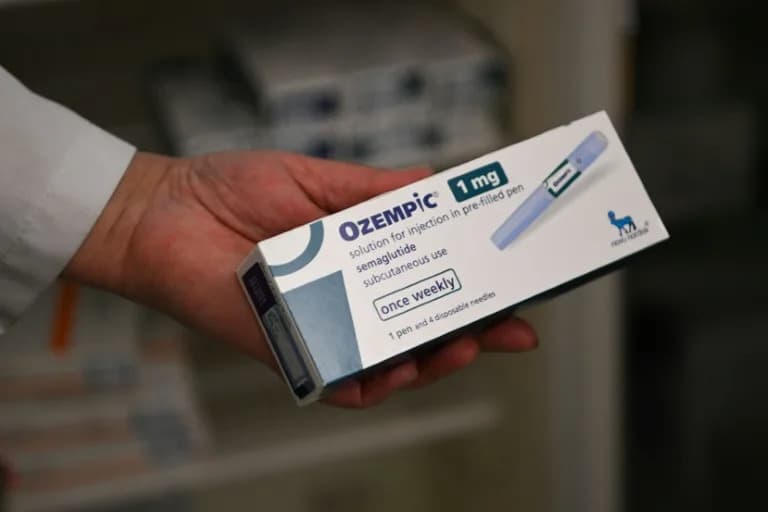
The U.S. Food and Drug Administration has asked drugmakers to remove warnings about suicidal thoughts from labels of GLP-1 weight-loss drugs, including Wegovy, Zepbound and Saxenda, after a comprehensive review found no link to increased suicide risk.

The analysis covered 91 placebo-controlled trials with 107,910 participants (60,338 on GLP-1 drugs, 47,572 on placebo) and found no higher incidence of suicidal ideation or other psychiatric side effects versus placebo.

The FDA previously issued a preliminary finding in 2024 but cited limited data; the new, larger review supports removing the warnings while safety monitoring continues.

The U.S. Food and Drug Administration has asked manufacturers to remove label warnings about a potential risk of suicidal thoughts from widely used GLP-1 weight-loss medicines, including Wegovy, Zepbound and Novo Nordisk's older product Saxenda.

What the Review Found

The agency said a comprehensive review of placebo-controlled clinical trials found no evidence that GLP-1 receptor agonists increase the risk of suicidal ideation or suicidal behavior. The FDA analyzed 91 trials involving 107,910 patients in total—60,338 who received a GLP-1 drug and 47,572 who received placebo—and reported no higher incidence of suicidal thoughts or behavior with the drugs versus placebo.

Psychiatric Side Effects

In addition to suicidal thoughts, the FDA's analysis did not find an increased risk of other psychiatric side effects such as anxiety, depression, irritability or psychosis in patients taking GLP-1 medications compared with placebo.

Background and Next Steps

GLP-1 receptor agonists were developed originally to treat type 2 diabetes; they mimic a gut hormone that suppresses appetite and promotes a feeling of fullness, which has led to broader use as obesity treatments. The FDA reached a similar preliminary conclusion in 2024 but noted then that limited data prevented it from ruling out a small risk. After this larger review, the agency has requested label changes and manufacturers may update product labeling accordingly. The FDA said it will continue monitoring safety data as these therapies are more widely used.

Companies' Response: Eli Lilly and Novo Nordisk did not immediately respond to requests for comment.

Reporting by Mariam Sunny in Bengaluru; Editing by Shilpi Majumdar (Reuters)

Help us improve.

Related Articles

Trending