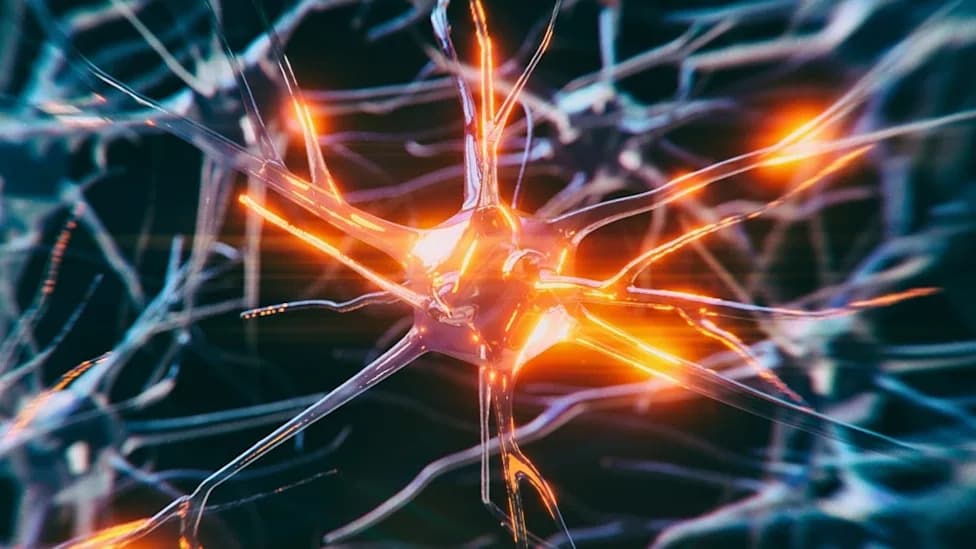
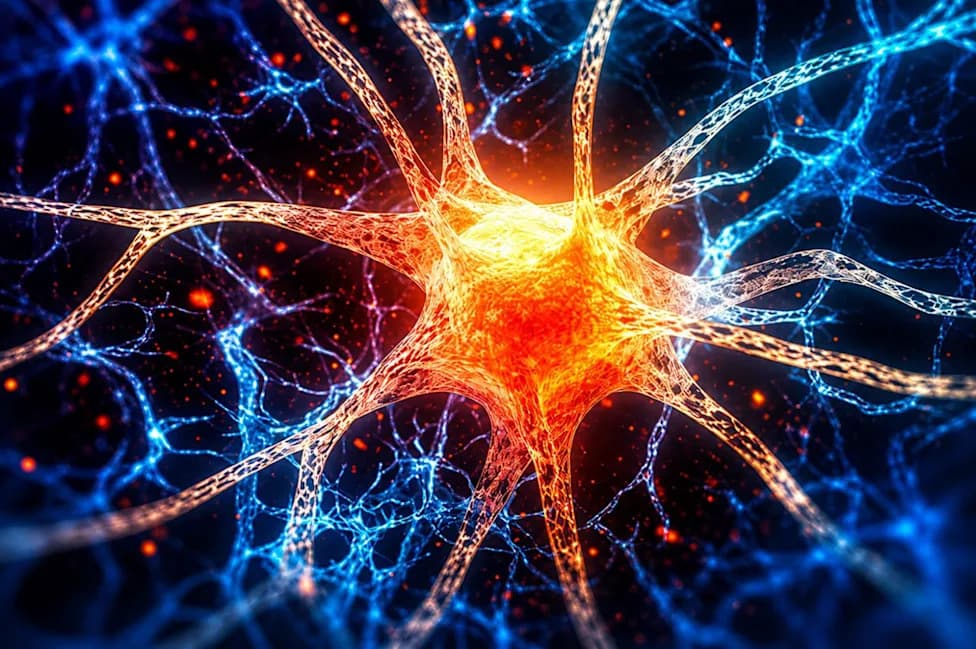
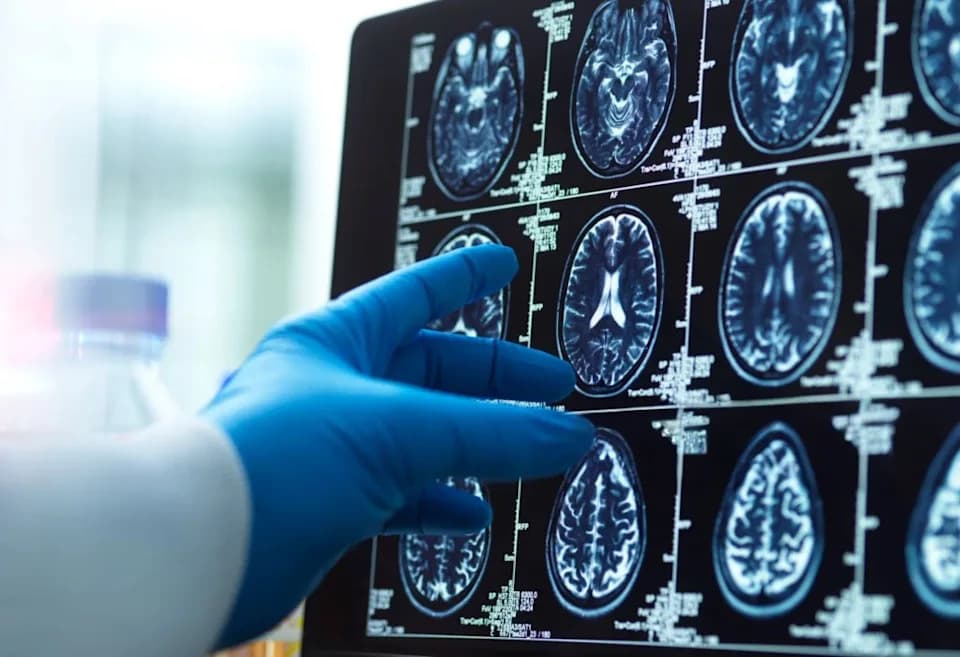
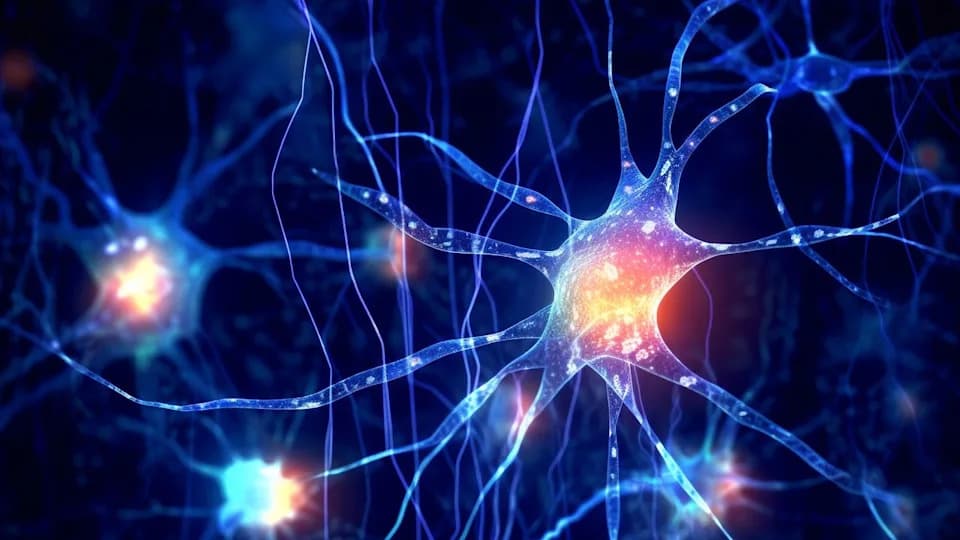
A University Hospitals team led by Dr. Andrew Pieper reports that restoring nicotinamide adenine dinucleotide (NAD) in mice engineered with human Alzheimer’s genes reversed multiple brain pathologies and fully restored cognitive performance. The findings, the researchers say, represent a proof of principle but are limited to animals. Human trials are still years away and further testing is needed to confirm safety and efficacy. In the meantime, experts recommend healthy diet, sleep, exercise, and cognitive stimulation to support brain health.
Mouse Study Restores Cognition by Targeting NAD — A First Step Toward Reversing Alzheimer’s?

University Hospitals researchers hope new study is first step in reversing Alzheimer’s
Cleveland — An Alzheimer’s diagnosis profoundly alters life for patients and their families as brain function slowly deteriorates. A team at University Hospitals, led by Dr. Andrew Pieper of Case Western Reserve University and University Hospitals, reports a mouse study that may represent an early step toward reversing some disease effects.
What the Researchers Did
The team investigated nicotinamide adenine dinucleotide (NAD), a key cellular coenzyme that supports energy metabolism and repair processes. NAD levels and NAD-dependent enzyme function decline with age and in Alzheimer’s disease.
Researchers inserted human genes associated with Alzheimer’s into mice to produce Alzheimer’s-like brain changes. After pathology developed, the team administered a lab-designed compound intended to restore NAD function in the brain.
Key Findings
According to Dr. Pieper, the treated mice showed reversal of multiple features of brain pathology and complete recovery of cognitive performance on a battery of behavioral tests, including learning and memory tasks.
“When we decoded it at the end, we were just thrilled to see that across the board … we had reversed so many different features of pathology in the brain and we had recovered cognitive function fully — as if the animal never had the disease in the first place,” Pieper said.
“We put them through a whole battery of different behavioral tests. Some of those are learning and memory tests and their ability to do that was completely restored.”
Caveats and Next Steps
Dr. Pieper emphasized that results in mice do not guarantee the same effects in humans. The researchers say they are still analyzing data and that human trials are likely years away. Additional studies are needed to confirm safety, determine dosing, and establish whether similar benefits can be achieved in people.
Practical Advice
While experimental therapies are evaluated, Pieper and other experts recommend proven steps to support brain health: maintain a balanced diet, get regular sleep, stay physically active, and keep the mind engaged with stimulating activities. These measures can help reduce risk or delay progression of cognitive decline.
Copyright 2026 Nexstar Media, Inc. All rights reserved.
Help us improve.