New mouse research indicates that senescent “zombie” brain cells may contribute to temporal lobe epilepsy (TLE). Clearing these cells with senolytic compounds (dasatinib plus quercetin) restored memory and reduced seizures in animal models, and human TLE surgical tissue showed about five times more senescent cells than non‑epileptic controls. Experts urge caution: clinical trials are needed to evaluate safety, timing and effectiveness before any human use.
Clearing 'Zombie' Brain Cells Reduced Seizures and Restored Memory in Mouse Models of Temporal Lobe Epilepsy
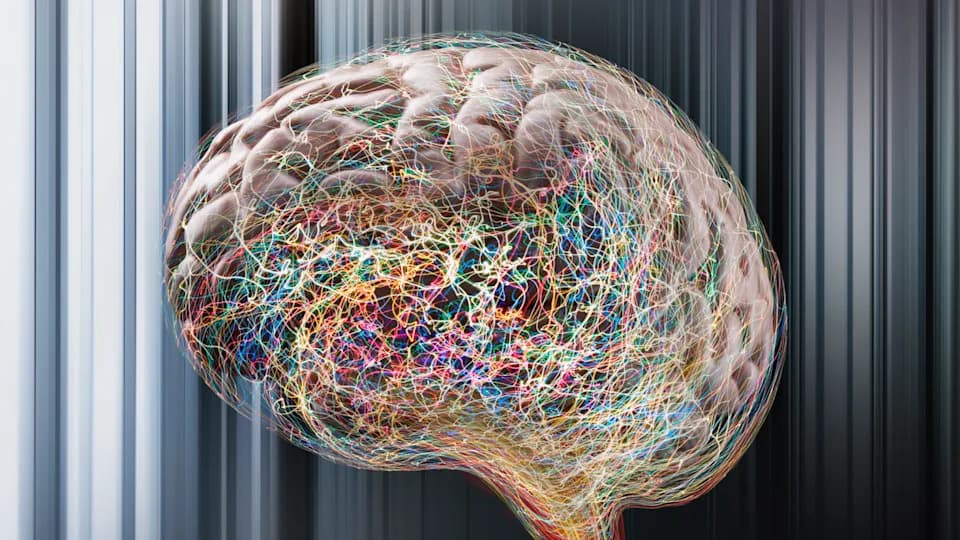
Zombified cells in the brain may contribute to epilepsy, a new study finds. | Credit: John M Lund Photography Inc/Getty Images
New preclinical research suggests that stubborn, damaged brain cells known as senescent or “zombie” cells may help drive temporal lobe epilepsy (TLE). In a study published in Annals of Neurology, researchers report that removing these cells improved memory and reduced seizures in mouse models, and that human TLE tissue contained substantially more senescent cells than non‑epileptic controls.
What the Study Found
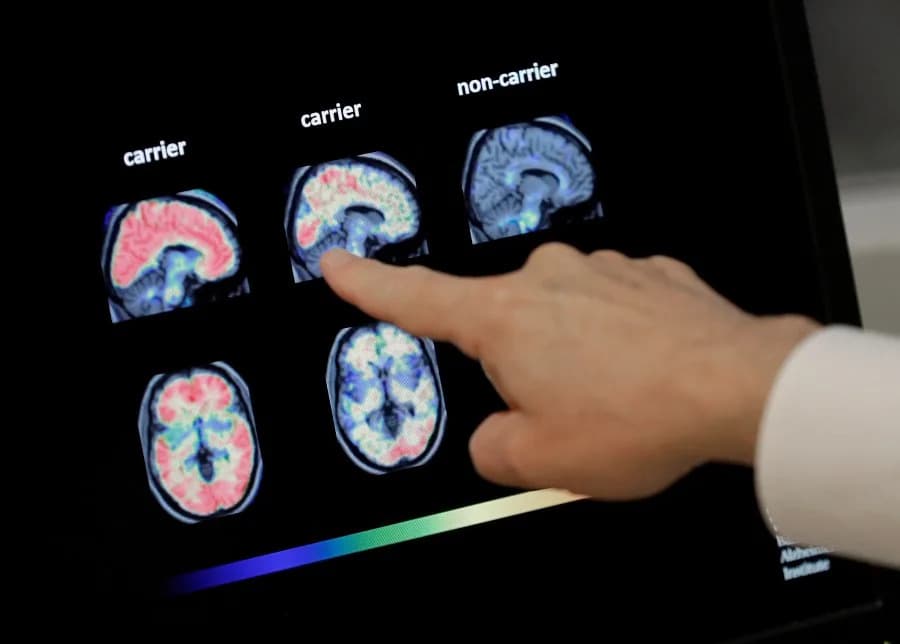
Investigators led in part by Patrick Forcelli, a pharmacologist at Georgetown University, examined brain tissue from people who had surgery for TLE and compared it with autopsy samples from individuals without epilepsy. Despite the non‑epilepsy group being older on average, the TLE samples had about five times as many cells showing markers of senescence.
In mouse models of TLE the team found elevated senescence markers concentrated mainly in microglia, the brain's resident immune cells. Because senescent cells adopt a pro‑inflammatory, dysfunctional state and resist normal cell‑death pathways, the researchers tested whether eliminating them would change disease outcomes.
Senolytic Treatment and Results
The researchers treated some mice with a combination of dasatinib (an FDA‑approved leukemia drug) and quercetin (a plant flavonoid sold as a supplement). This drug pair has been identified previously as senolytic — capable of selectively depleting senescent cells. Treated animals showed restored memory performance, a significant reduction in seizure burden, and a subset were even protected from developing seizures at all, suggesting a potential disease‑modifying effect in those cases.
“We were able to normalize memory function of the mice,” Forcelli said. “We also protected a large population of animals from developing seizures at all, so this is a disease‑modifying approach in that respect.”
Why Targeting Microglia Matters
When the team broadly removed microglia — both healthy and senescent — the intervention did not improve outcomes. Senescent microglia proved resistant to the broad depletion, leaving the harmful cells in place while stripping away protective microglia. This finding supports prior research showing microglia can have both protective and damaging roles and suggests effective therapies will need to target senescent microglia specifically.
Safety, Limitations, and Next Steps
While dasatinib is an approved cancer therapy and quercetin is widely available as a supplement and food ingredient, the combination has not been established as safe or effective for treating epilepsy in humans. Experts emphasize that clinical trials are required to evaluate dosing, timing, safety and efficacy. The researchers will also investigate optimal timing for senolytic intervention — for example, whether treatment must be given immediately after head trauma or whether it remains effective if administered later.
James Kirkland, a gerontologist who first identified the senolytic effects of dasatinib and quercetin, cautions the public against self‑medicating with over‑the‑counter supplements marketed as senolytics: supplements may contain unlisted ingredients or inconsistent doses and are not regulated to the same standards as prescription drugs.
Broader Implications
Targeting cellular senescence is an active area of research with potential applications across many age‑related and degenerative conditions. However, the current findings are preliminary and limited to animal models and tissue comparisons; well‑designed human clinical trials are required before any changes to clinical practice or patient behavior are recommended.
Disclaimer: This article is for informational purposes only and does not constitute medical advice.
Help us improve.