New multidisciplinary analyses of remains from Belgium’s Goyet Caves indicate that some Neanderthals practiced selective cannibalism around 41,000–45,000 years ago. Isotopic, genetic and taphonomic evidence suggests the victims were likely non-local and were butchered in the same way as animals, implying utilitarian consumption rather than ritual. Researchers used an integrated approach—combining radiocarbon dating, isotopic analysis, ancient DNA, and bone-wear studies—to characterize the assemblage and propose motives such as inter-group conflict or territoriality.
Neanderthals at Belgium’s Goyet Caves Practiced Selective Cannibalism, New Study Finds

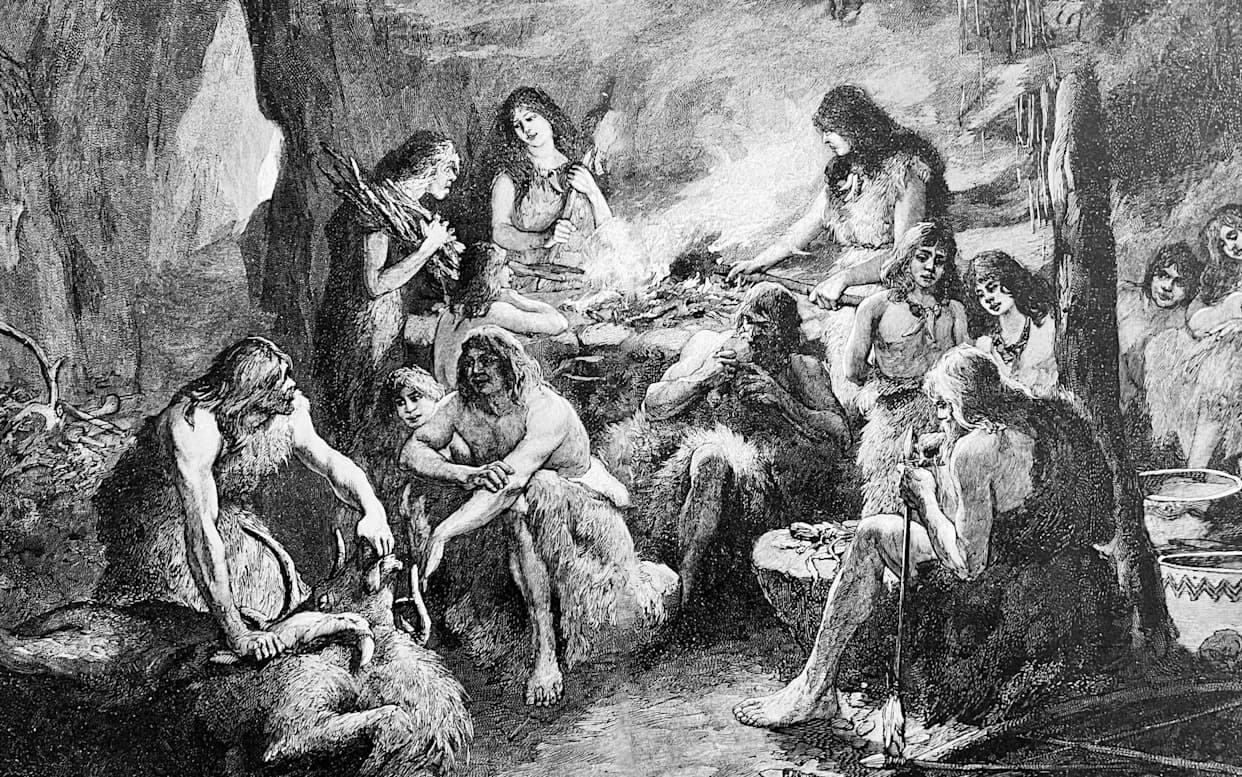
Recent re-analysis of fossil material from the Goyet Caves, about 40 miles southeast of Brussels, provides compelling evidence that some Neanderthal groups engaged in selective cannibalism roughly 41,000–45,000 years ago. Far from the simplistic caricature of Neanderthals as brutish or unsophisticated, this research paints a complex picture of capable hominins whose behavior could include pragmatic — and violent — responses to social and environmental pressures.
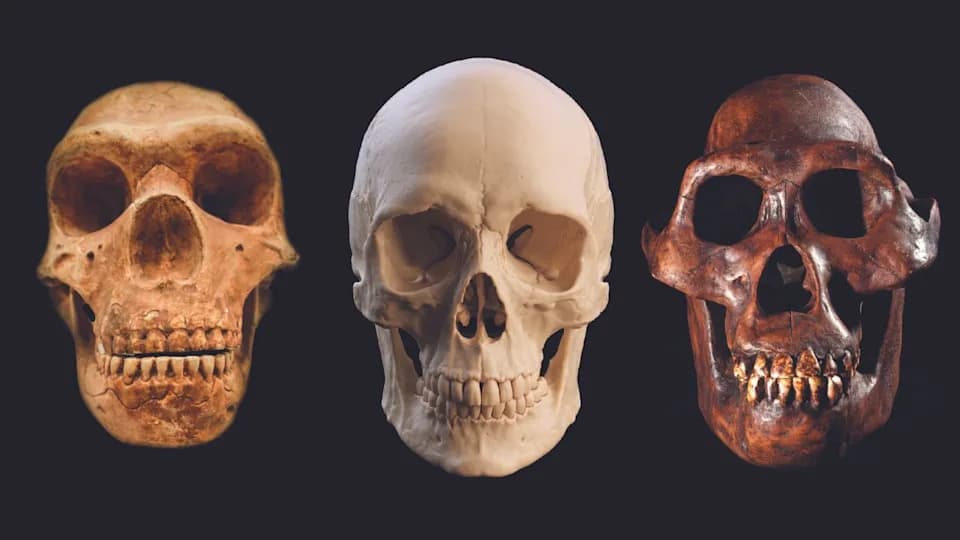
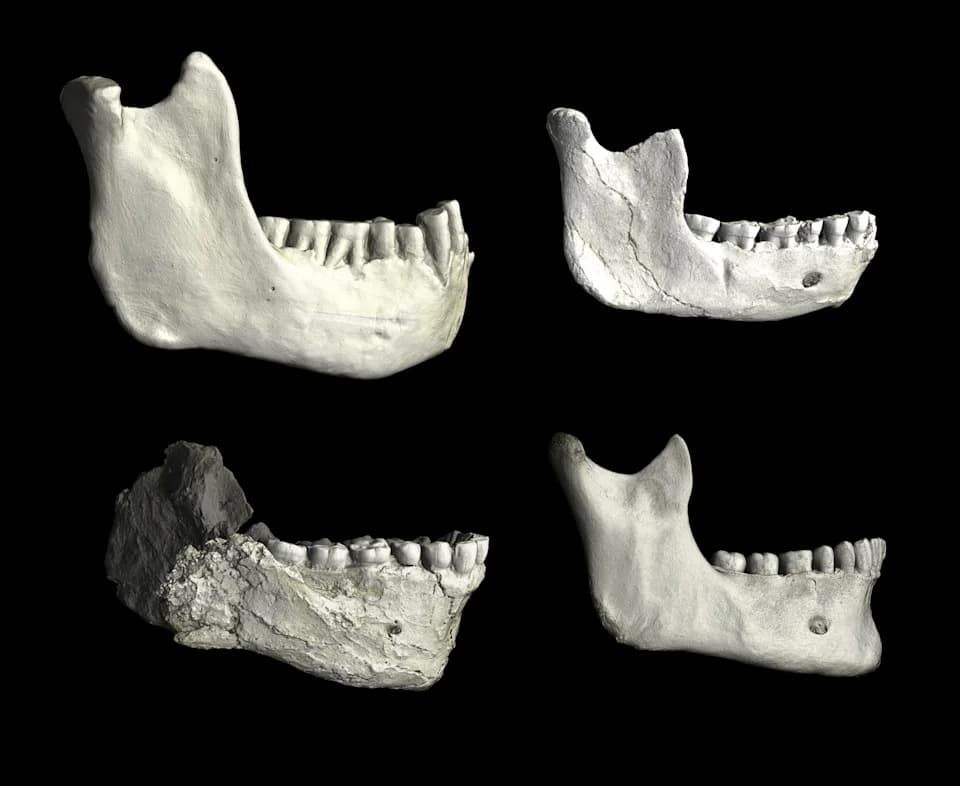
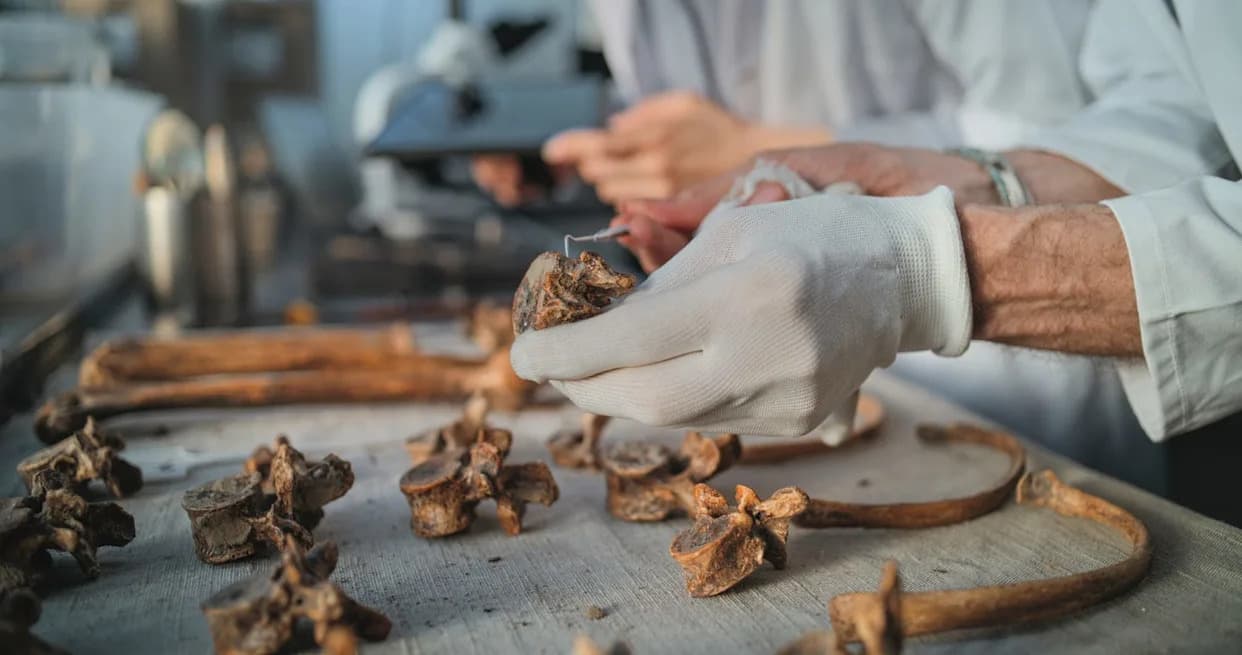
The Goyet Caves are an extensive cliffside complex that preserves a long record of human and animal activity spanning roughly 120,000 to 4,000 years. An international team of researchers re-examined the Neanderthal remains using a suite of modern techniques, including radiocarbon dating, isotopic analysis, ancient DNA sequencing, and detailed taphonomic and morphometric study.
Key findings
Timing: The butchered hominin remains date to about 41,000–45,000 years ago, in the Middle Paleolithic.
Non-local origin: Biological and isotopic evidence indicates the victims were probably not from the immediate area, suggesting they were brought to Goyet before being processed.
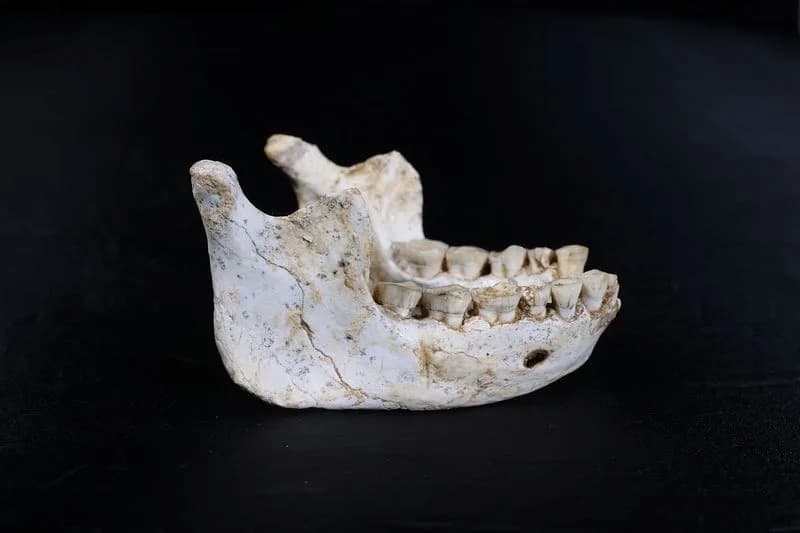
Butchery pattern: Cut marks and bone modification on the human remains closely match those seen on animal bones at the site. The authors interpret this as utilitarian processing for consumption rather than part of ritual activity.
Interpretation and possibilities
The research team emphasizes that the precise motives behind cannibalism cannot be known for certain from the archaeological record. They note, however, that the combined evidence — taphonomic, isotopic, genomic, and morphometric — points toward selective, possibly opportunistic, consumption of outsiders. Possible explanations advanced by the authors include inter-group conflict, territorial practices, or targeted treatment of individuals considered outsiders.
“If the causes leading to cannibalistic behaviors are always difficult to establish in archaeological contexts, the integrated approach developed here—combining taphonomic, isotopic, genomic, and morphometric data—provides an unprecedented characterization of the Goyet assemblage,” the study’s authors write.
This work highlights both the sophistication of modern analytical methods and the behavioral complexity of Neanderthals: technologically and culturally capable hominins who could also engage in harsh survival or social strategies.
Sources: Study authors and affiliated institutions include researchers from the French National Center for Scientific Research (CNRS), the University of Bordeaux and Aix-Marseille University. The findings were published in the journal Scientific Reports.
Help us improve.