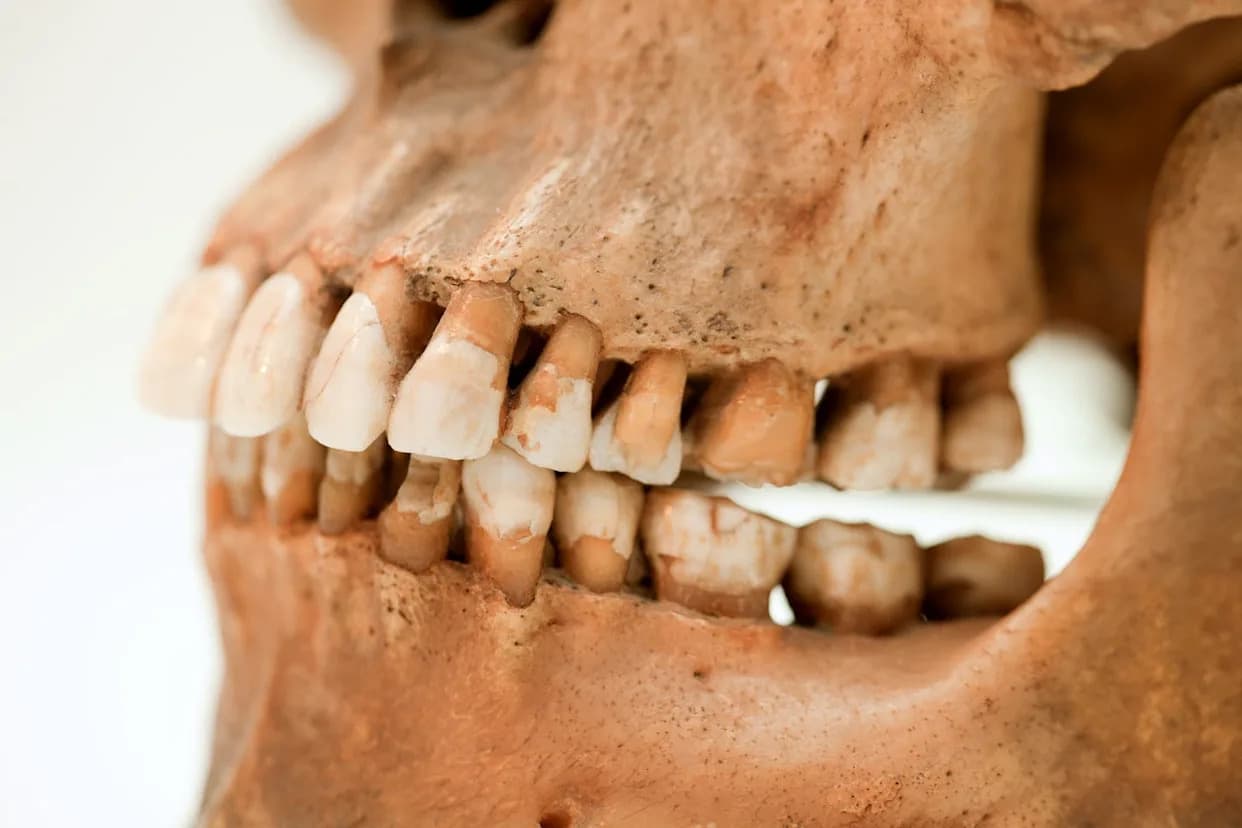
Summary: Humans evolved key traits such as bipedalism (about 6 million years ago) and enlarged brains (peaking before modern humans emerged ~200,000–300,000 years ago). Evolution works through changes in gene variants (alleles) that help people survive or reproduce in particular environments, and it is still happening today — for example, a mutation common in Pune helps process essential fatty acids. Because environments change unpredictably, we can’t precisely predict future evolution, and dramatic comic-book-style changes are extremely unlikely. Instead, our intelligence and technology will continue to shape how we live and adapt.
How Humans Evolved — And Will We Keep Evolving?

By Evan Simons, University at Buffalo
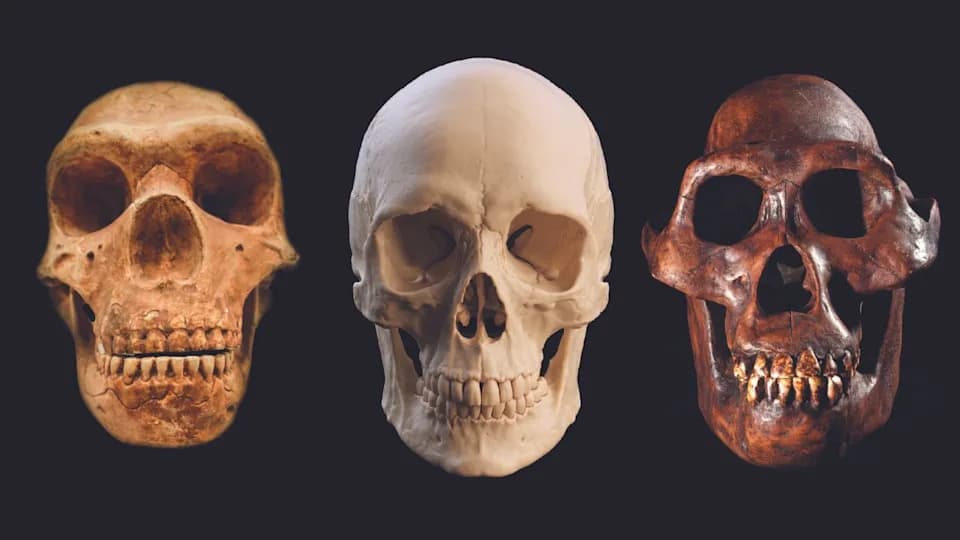
How did humans become the way we are today — and will evolution keep changing us? In short: everything living is the result of evolution, and humans are no exception. Our long evolutionary story includes big steps such as walking on two legs and developing unusually large brains, and evolution is still shaping people today.
How traits are passed on
Traits are transmitted from parents to children through genes. Many genes come in different forms called alleles. When the frequency of alleles changes across generations in a population, that is evolution. Alleles that help individuals survive or reproduce in a particular environment tend to become more common — but which alleles are advantageous depends entirely on the environment, not on an abstract idea of “better.”
Walking on two legs
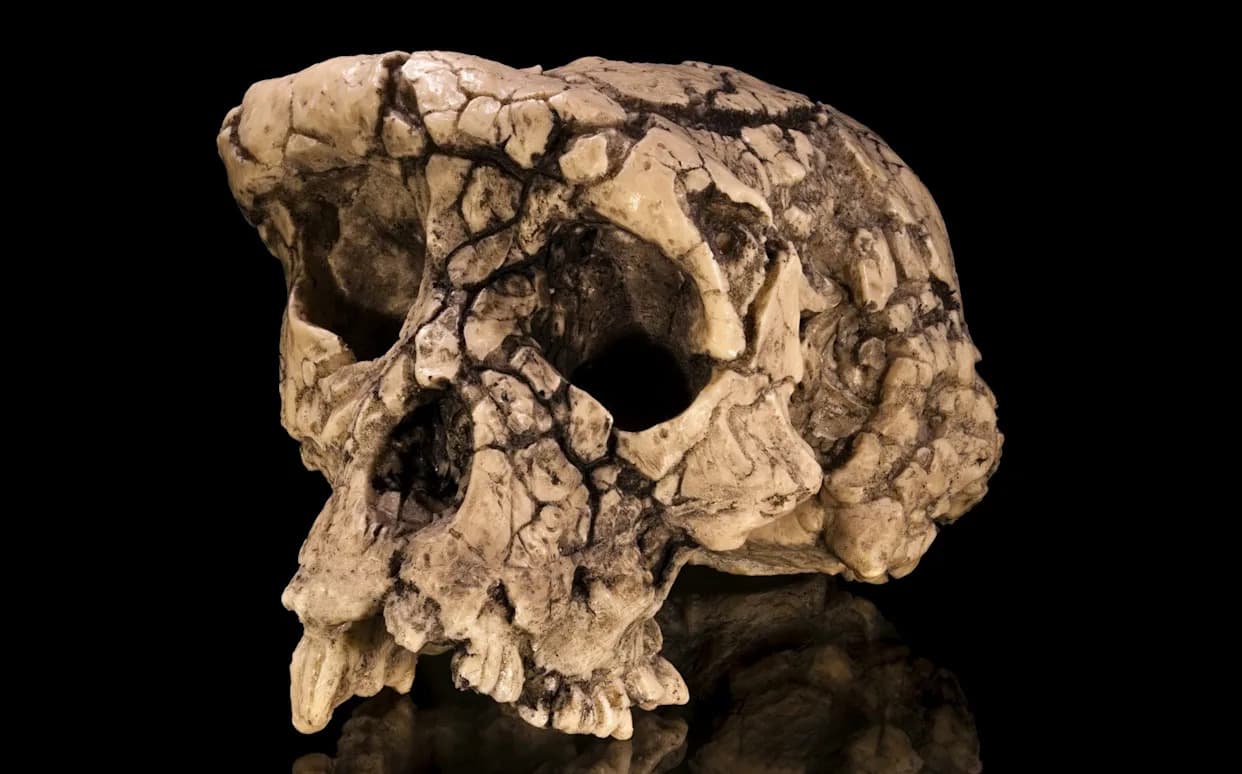
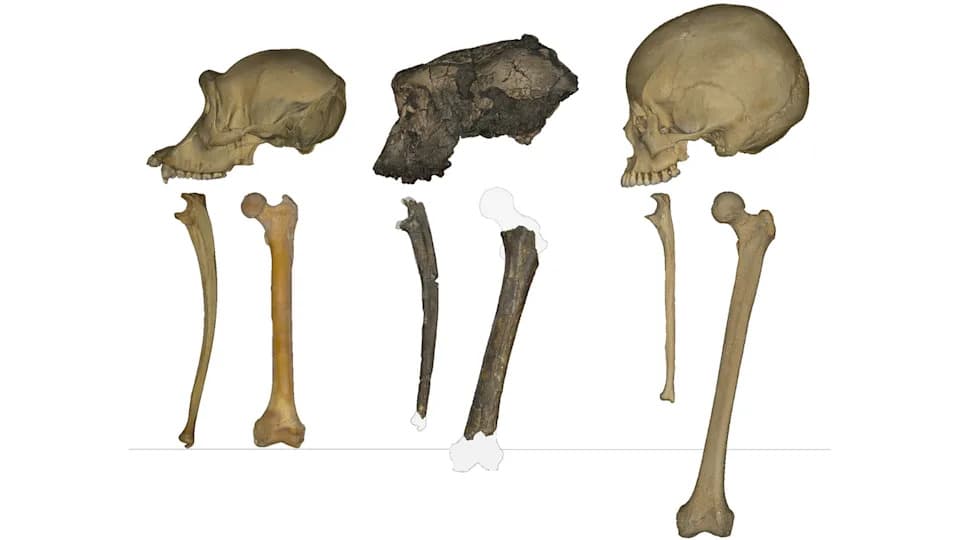
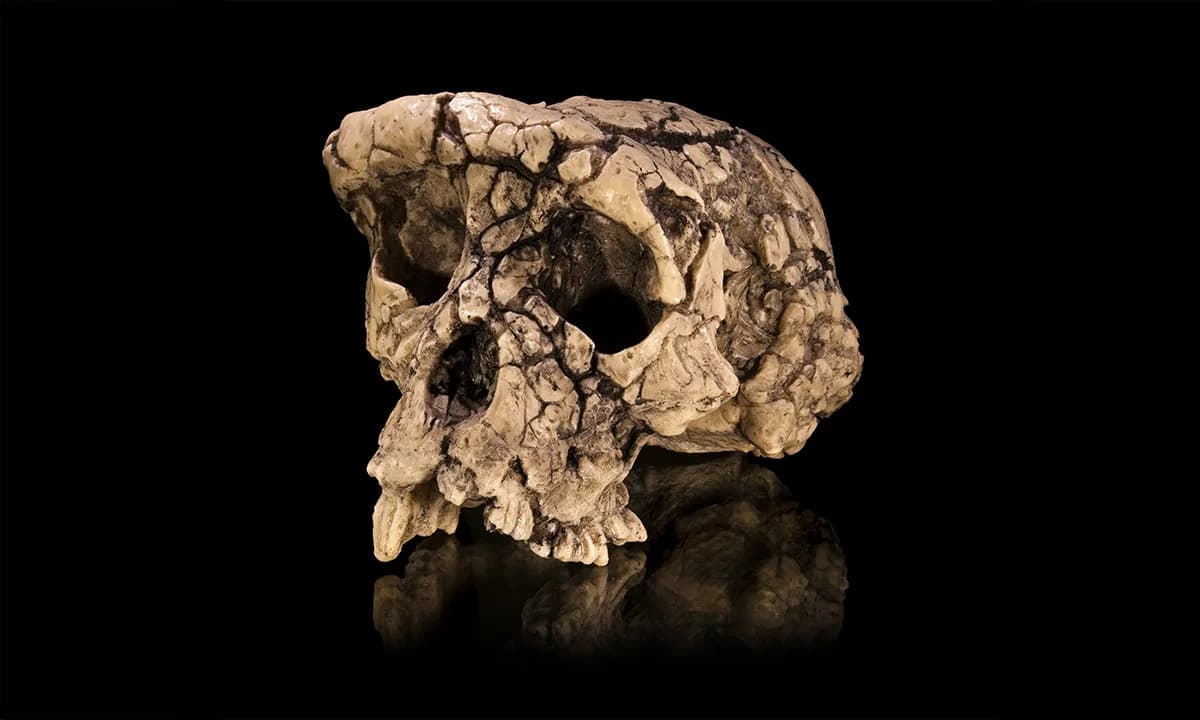
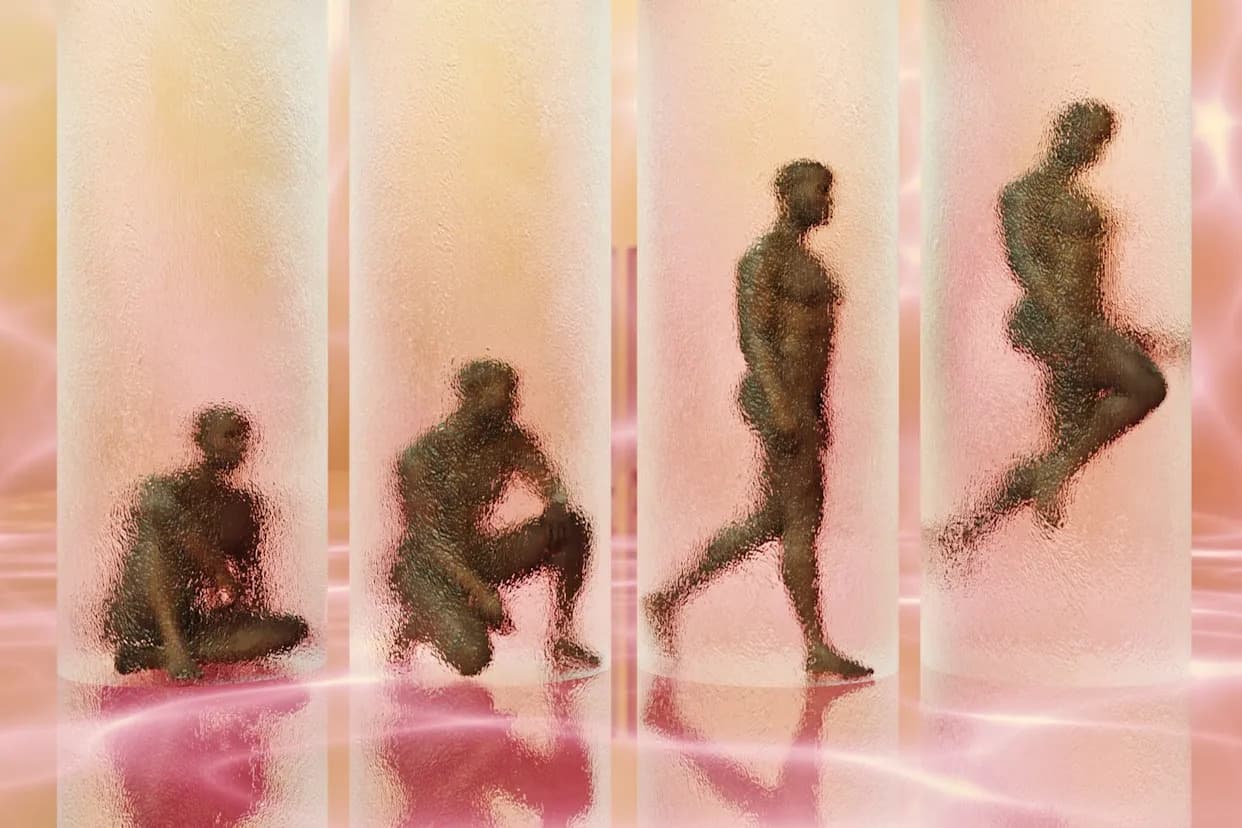
One of the earliest big changes along the human line was bipedalism. Fossils show that ancestors of humans began walking upright roughly 6 million years ago. Scientists are still debating exactly why this happened; a leading idea is that standing and walking on two legs helped hominins travel across shrinking, patchy forests as the climate changed, making it easier to move between fragments of woodland.
Why our brains matter
Compared with our body size, humans have the largest brains of any animal. Bigger brains gave our ancestors the capacity to invent, learn from one another, and pass knowledge culturally — through language, stories, tools and technology. Those abilities let people build alphabets, vaccines, spacecraft and many other innovations that shape our world.
Brain size increased over much of human evolution and reached a peak before the appearance of modern humans, Homo sapiens, about 200,000–300,000 years ago. After that point, average brain size in our species appears to have shrunk slightly. That change might be linked to smaller overall body size or to selection favoring brains that use less energy.
Are humans still evolving?
Yes. Evolution has not stopped. Populations continue to adapt to their environments — including new diets, diseases and lifestyles. For example, many people in Pune, India, carry a genetic variant that helps them process omega-3 and omega-6 fatty acids more efficiently, likely an advantage in groups with long-standing plant-based diets where those nutrients are harder to obtain from food.
Modern medicine, global travel, changing diets and urban living all change the selective pressures on human populations. That makes predicting specific future changes difficult because environments (including social and technological environments) shift in unpredictable ways.
Will we develop superpowers?
Comic-book changes — growing wings or laser eyes — are extraordinarily unlikely. But humans have evolved something arguably more powerful: intelligence and creativity. Like the fictional Iron Man, we build tools and machines that extend our bodies and lives — pacemakers, vaccines, airplanes and computers — accomplishing feats that biologically evolved bodies cannot.
Bottom line: Human evolution produced bipedalism and large brains and continues today in subtle, population-specific ways. Rather than dramatic biological superpowers, future changes are more likely to be shaped by technology and culture working together with biological evolution.
Help us improve.