Analyses of remains from Troisième Caverne in Belgium indicate that more than six individuals—including multiple adolescent/adult females and a young male—were butchered by Neanderthals at least 41,000 years ago. Cut marks, bone reuse as tool material, and sulfur isotopes suggest the victims were non-local and shared similar diets. The pattern—primarily children and smaller females—suggests attackers targeted "weaker" members of neighboring groups, possibly to limit rivals' reproductive potential. The episode may reflect intergroup conflict amplified as Homo sapiens entered western Europe.
Neanderthals May Have Butchered Neighboring Groups — Evidence Shows They Targeted Children and Small Females

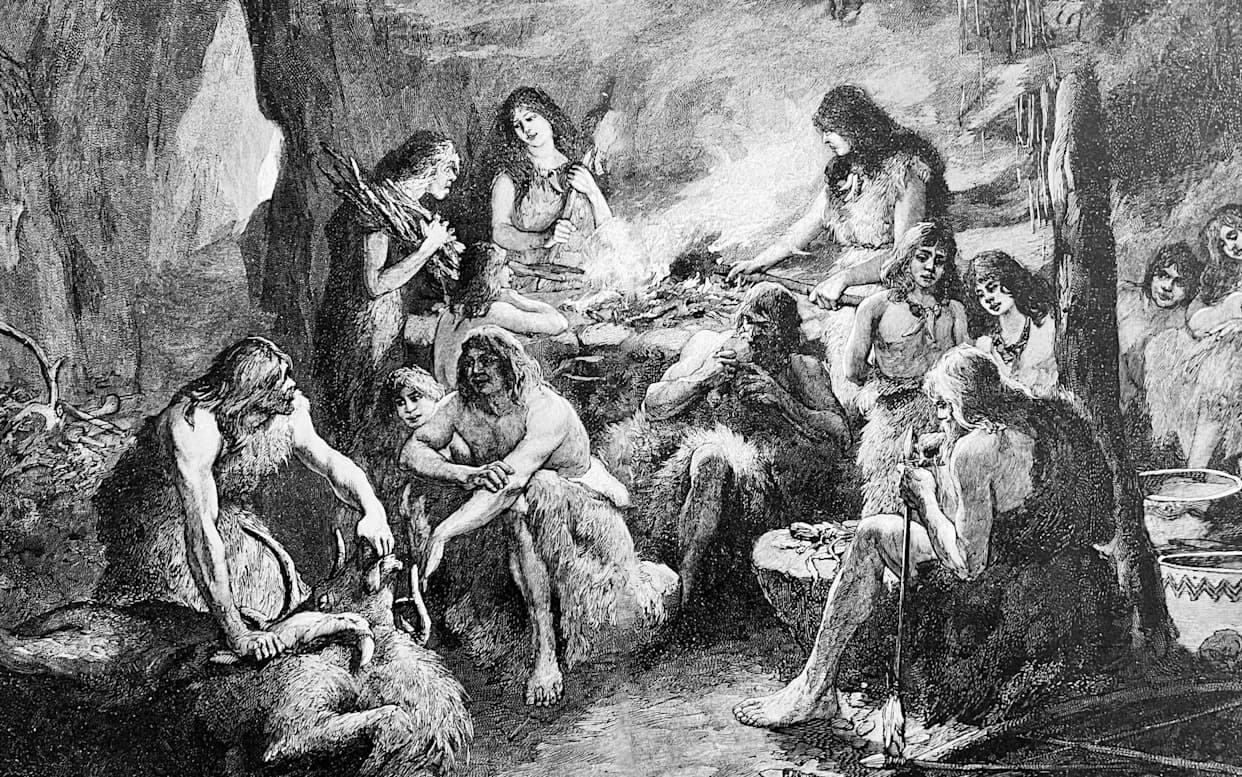
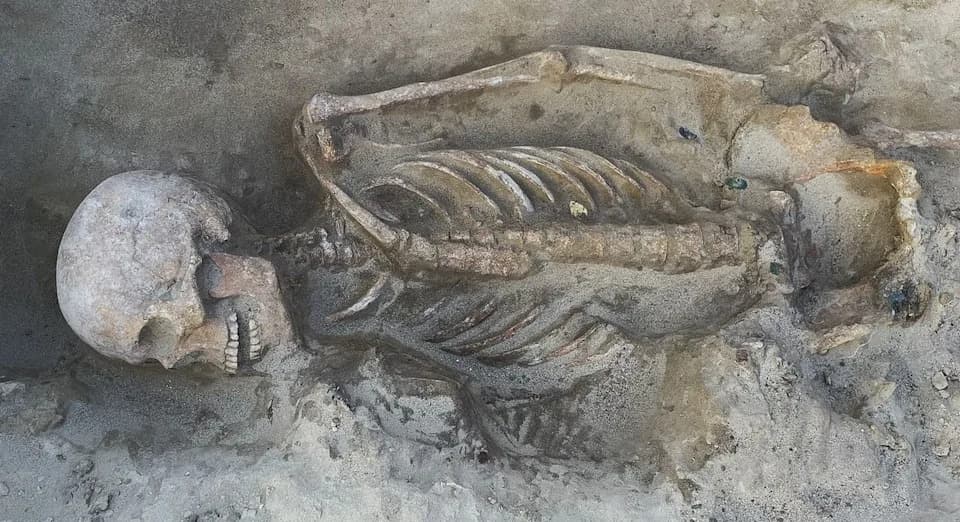
At least 41,000 years ago, a violent episode appears to have taken place in the limestone caverns now known as the Troisième Caverne in present-day Belgium. Archaeologists report that the remains of more than six individuals show clear signs of butchery consistent with Neanderthal tool use.
What the bones reveal
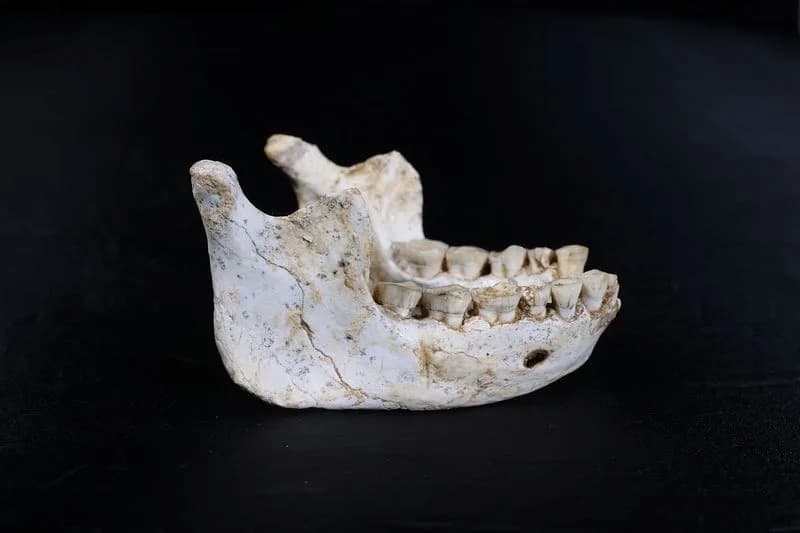
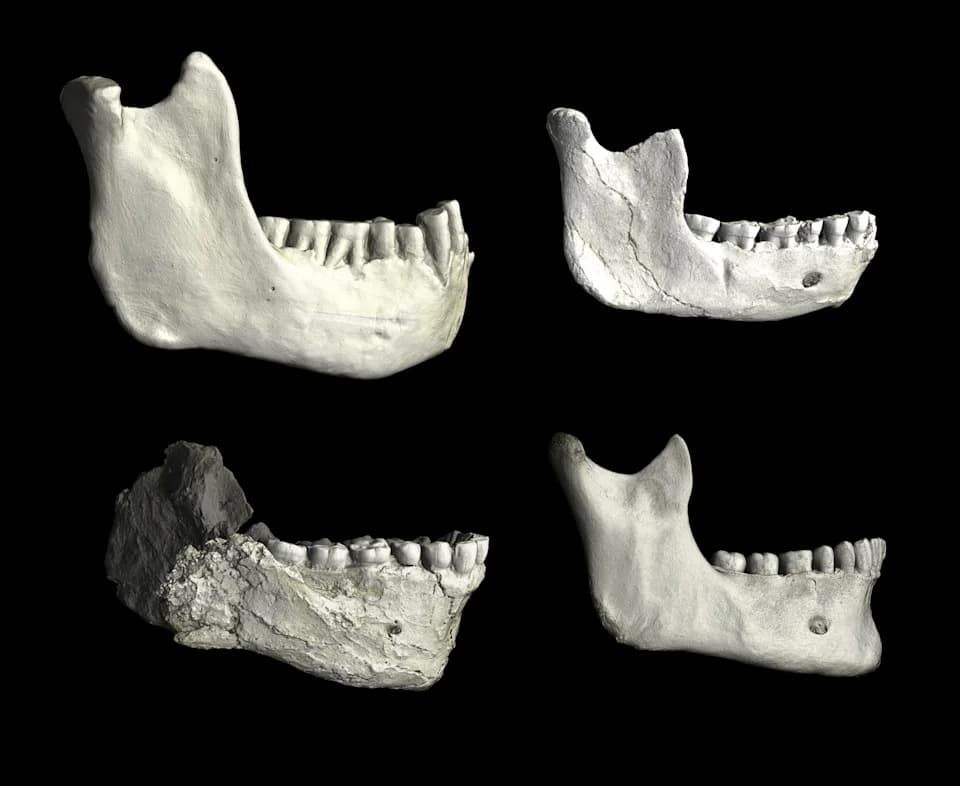
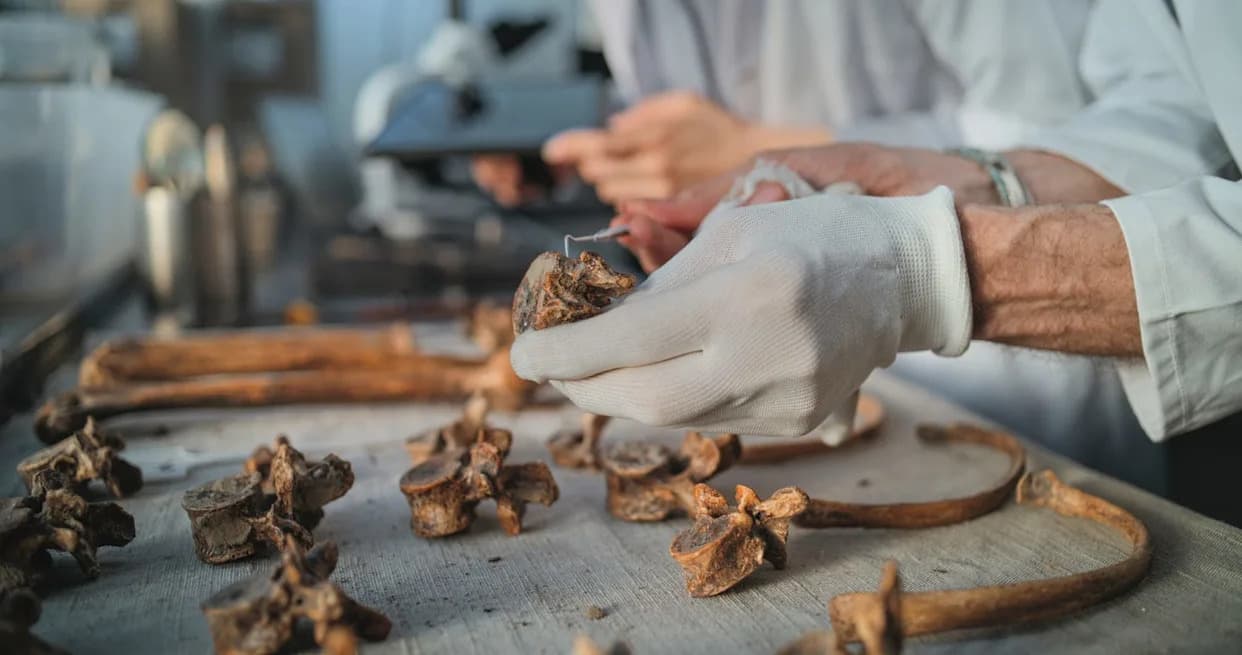
Researchers examined bones belonging to four adolescent or adult females, a young male, and additional individuals recovered from the site. Cut marks, patterns of bone breakage, and evidence that fragments were later repurposed as tool blanks point to deliberate human modification. Earlier work on this assemblage—reported in a 2016 study—first documented these cut marks; the new analyses build on that foundation.
Isotopes, origins and social interpretation
Sulfur isotope analysis of bone collagen indicates the victims were not local to the immediate cave area, while other isotopic signatures suggest they had broadly similar diets and geographic backgrounds despite not being closely related. All but one individual in the studied group—a male infant—displayed cut marks consistent with butchery.
The authors argue that the pattern of damage indicates attackers preferentially targeted children and smaller, short-statured females—what they describe as "weaker members" of neighboring social groups. This selective violence could have been intended to reduce the reproductive success of rival bands or to eliminate competitors for resources, rather than reflecting cannibalism driven purely by nutritional need.
Broader context
The timing of the event—between roughly 41,000 and 45,000 years ago—coincides with the initial arrival of Homo sapiens in parts of western Europe. Although modern humans have not been documented immediately at Troisième Caverne, the shifting population dynamics and resource competition associated with incoming Homo sapiens may have intensified intergroup conflict among Neanderthals.
Taken together, the evidence from Troisième Caverne offers a stark window into the social conflicts of late Neanderthal populations, illustrating that violence between groups could have been a factor in their precarious final millennia.
Help us improve.