The "windshield test" — fewer insects splattered on car windshields — reflects steep declines in flying insects and pollinators worldwide. Climate change, habitat loss and pesticides are the main drivers, and these losses threaten food security because insect pollinators support many crops, including coffee and cacao. Experts call for national policies to curb pesticides and protect habitats, smarter farming practices like integrated pest management, and local actions such as planting native flowers and creating hedgerows. Community science and continued monitoring will guide recovery efforts, but conservationists say we already have enough evidence to act now.
The Insect Decline Threatening Global Food Supplies — How We Can Stop It

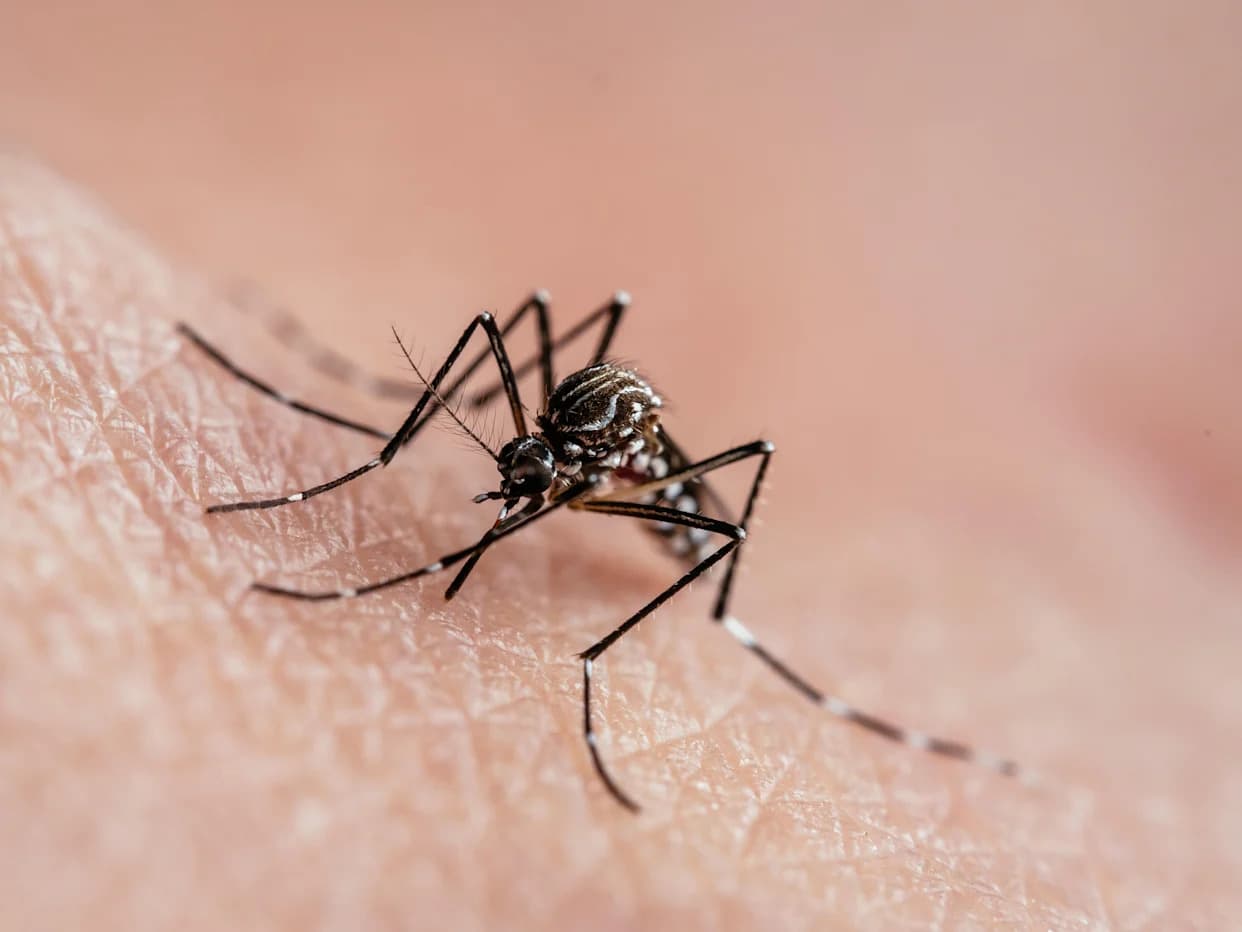
When ecologist Cheryl Schultz remembers summer drives from her childhood, she recalls returning to a windshield plastered with smashed insects. Today, many drivers find their windshields mostly clean. That simple "windshield test" captures a broader, worrying trend: flying insects — many of them pollinators essential to agriculture — have declined sharply in recent decades.
What the data show
Long-term monitoring reveals steep losses in both insect abundance and species diversity across regions where comprehensive records exist. Global bee biodiversity is estimated to be about 25% lower than pre-1995 levels. U.S. butterfly abundance fell roughly 22% over the past two decades in a major 2025 study, and some German forests recorded up to a 76% decline in flying insects across 27 years of monitoring.
Why insects are disappearing
Researchers point to three main drivers:
- Climate change: Warmer springs and altered seasonal timing can desynchronize insects from the plants and resources they depend on. Heat waves, reduced snowpack, severe storms and megadroughts further erode populations. Meanwhile, milder winters can favor adaptable pest species that outcompete sensitive insects.
- Habitat loss: Urban expansion, deforestation and uniform suburban lawns eliminate nesting and foraging sites. Ground-nesting bees, for example, need bare, undisturbed soil to reproduce and overwinter.
- Pesticides: Chemicals such as neonicotinoids (e.g., acetamiprid, clothianidin, dinotefuran, imidacloprid, thiamethoxam) have been linked to declines in wild bees. Herbicides like glyphosate can indirectly harm pollinators by reducing floral resources or weakening bees' ability to regulate hive temperature.
Why this matters for food
Insects underpin much of global food production. Pollinators provide an estimated $1 billion in economic value annually in the U.K. and roughly $34 billion in the U.S. Globally, about three-quarters of crop types rely on insect pollination to some degree, accounting for just over one-third of total crop yields.
Some crops are fully dependent on insect pollinators: coffee and cacao cannot reproduce without them. Other crops — such as blueberries and many tomatoes — benefit most from native bumblebees capable of "buzz pollination." Alfalfa, a crucial forage crop for livestock, relies most effectively on wild solitary bees like the alfalfa leaf-cutting bee (Megachile rotundata). Studies show fields visited by a diverse mix of pollinators produce higher yields and larger seeds than those relying on managed honeybees alone.
What scientists recommend
Experts say reversing insect declines requires both broad policy action and local efforts. Priority measures include:
- National and international policy: Reduce industrial pesticide use, expand protections for wild habitats and accelerate greenhouse-gas emission reductions.
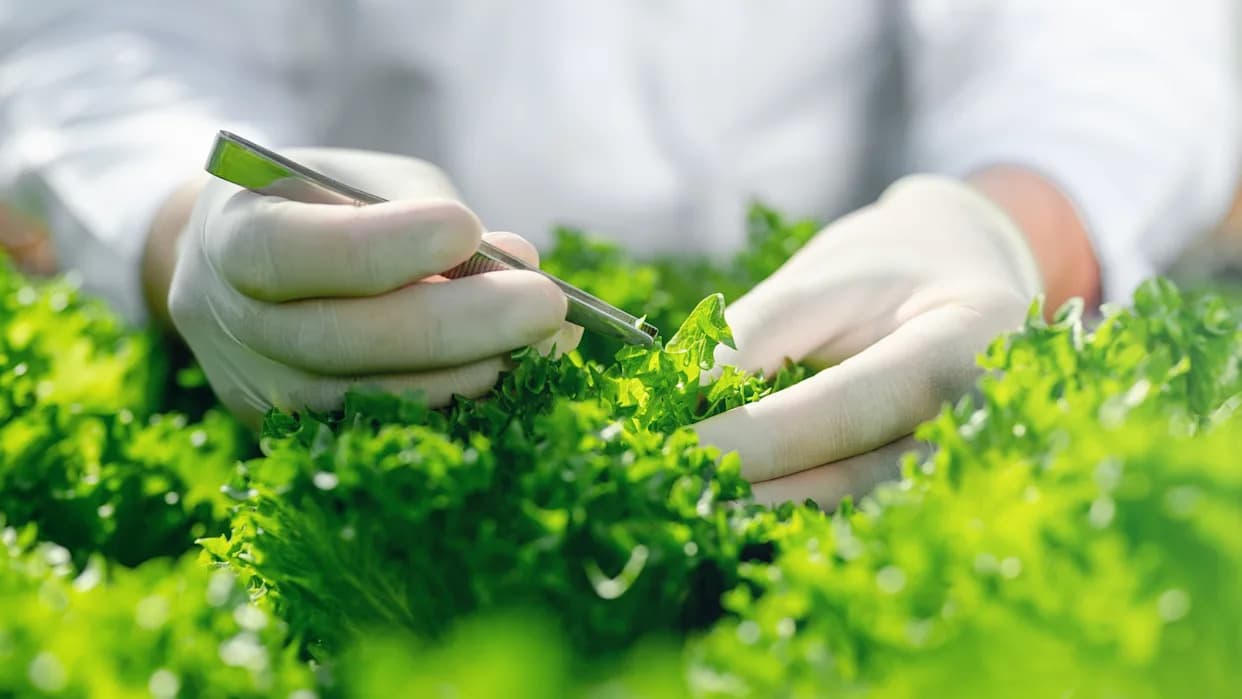
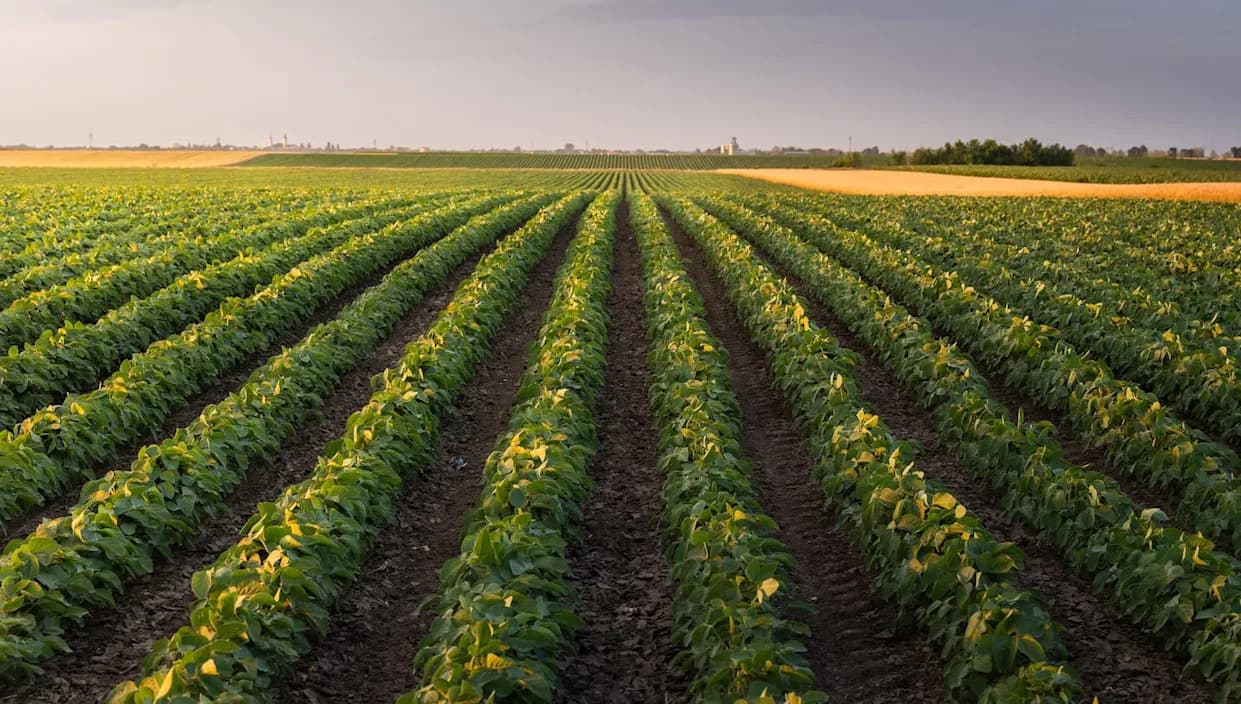
- Smarter farming: Adopt integrated pest management (IPM) — crop rotation, accurate pest identification, targeted treatments away from blooms and low-wind spray applications to limit drift.
- Habitat restoration: Restore native plantings, hedgerows and buffer strips that provide food, nesting sites and shelter for pollinators.
Local actions that help
Individual and community steps can make a measurable difference. Small habitat patches, even the size of half a typical suburban lawn, dramatically increase local pollinator richness and abundance when planted with native species. These "stepping stones" work best when many are distributed across agricultural and urban landscapes because many butterflies and other pollinators travel only a few hundred meters from home.
Practical actions include planting native wildflowers in gardens or containers, creating bee lawns (low-growing flowering turf with clover and other species), establishing hedgerows around fields, and minimizing pesticide use in gardens and on farms. Home gardeners can hand-weed small plots, choose hardy native plants instead of ornamental turf, and use physical measures (screens, water management) to reduce pests without broad spraying.
Success stories and hope
Conservation can work. The Fender's blue butterfly (Icaricia icarioides fenderi) in Oregon was listed as endangered in 2000 and was downlisted to threatened in 2023 after years of habitat protection and restoration. A larger analysis found dozens of butterfly species increased in abundance following focused conservation, indicating that protecting one species often benefits many.
"We don't want to wait until we have everything tucked into a perfect paper before we take action," said Scott Black of the Xerces Society. "We know how to take action."
Research and community science
Scientists still need more systematic, long-term monitoring — especially of understudied ground-dwelling taxa — to map declines precisely and target interventions. Community science platforms like iNaturalist and coordinated pollinator counts give researchers essential data on species distributions and the success of conservation measures.
Takeaway
Insect declines pose a real risk to biodiversity and global food systems, but a combination of policy, agricultural shifts and local habitat-building can slow or reverse these trends. Small actions by individuals, combined with coordinated policy and science, can protect pollinators and the food supplies that depend on them.
Help us improve.