The council refused plans for a community woodworking workshop at St Peter's Church in Addingham after archaeologists warned the site could contain Anglo‑Saxon and medieval remains. Conservation officers were concerned about the proximity to the Grade I listed church, and ecological officers cited potential bat roosts. Planning officers said the application lacked both an appropriate archaeological evaluation and a site‑specific bat roost assessment, so the proposal was turned down.
Archaeology Concerns Halt Loneliness Workshop Plans at St Peter's Church, Addingham

Plans for community ‘Shed Project’ refused over archaeological and ecological concerns
Plans to build a community workshop designed to tackle loneliness on the grounds of St Peter's Church in Addingham, near Ilkley, have been refused by planners after experts raised concerns the site may contain significant archaeological remains.
The planning application, submitted in September by the Parochial Church Council and backed by Addingham Parish Council, proposed replacing existing storage buildings with a workshop intended to bring together retired people, those out of work and residents who live alone for woodworking, repairs and crafts. The initiative had been known locally as The Shed Project.
Archaeological risk cited
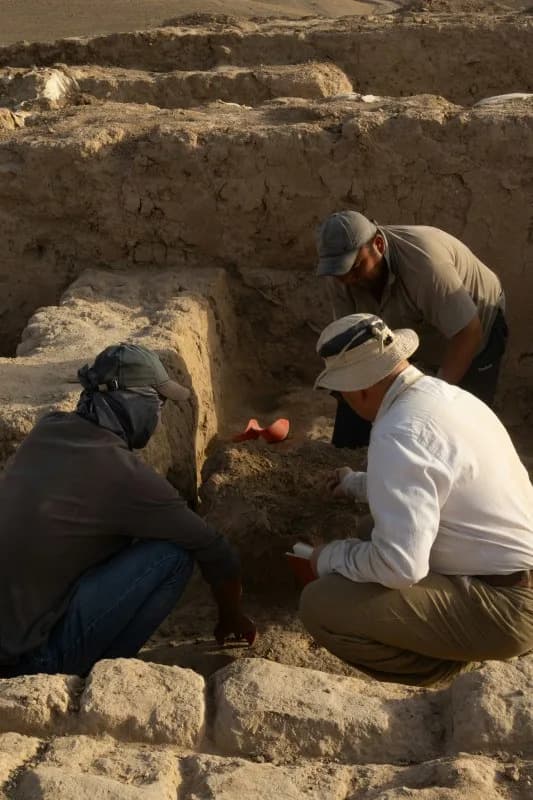
The West Yorkshire Archaeological Advisory Service warned that Addingham is one of the oldest settlements in the county and that the knoll occupied by St Peter's Church and the rectory is particularly likely to contain buried Anglo‑Saxon and medieval remains. The advisory note said the site, sitting above the south bank of the River Wharfe, would have been more suitable for early settlement than lower, flood-prone ground.
"The potential for locating Anglo‑Saxon settlement is perhaps greater on the knoll now occupied by church and rectory ... The archaeological potential for buried archaeology is therefore high."
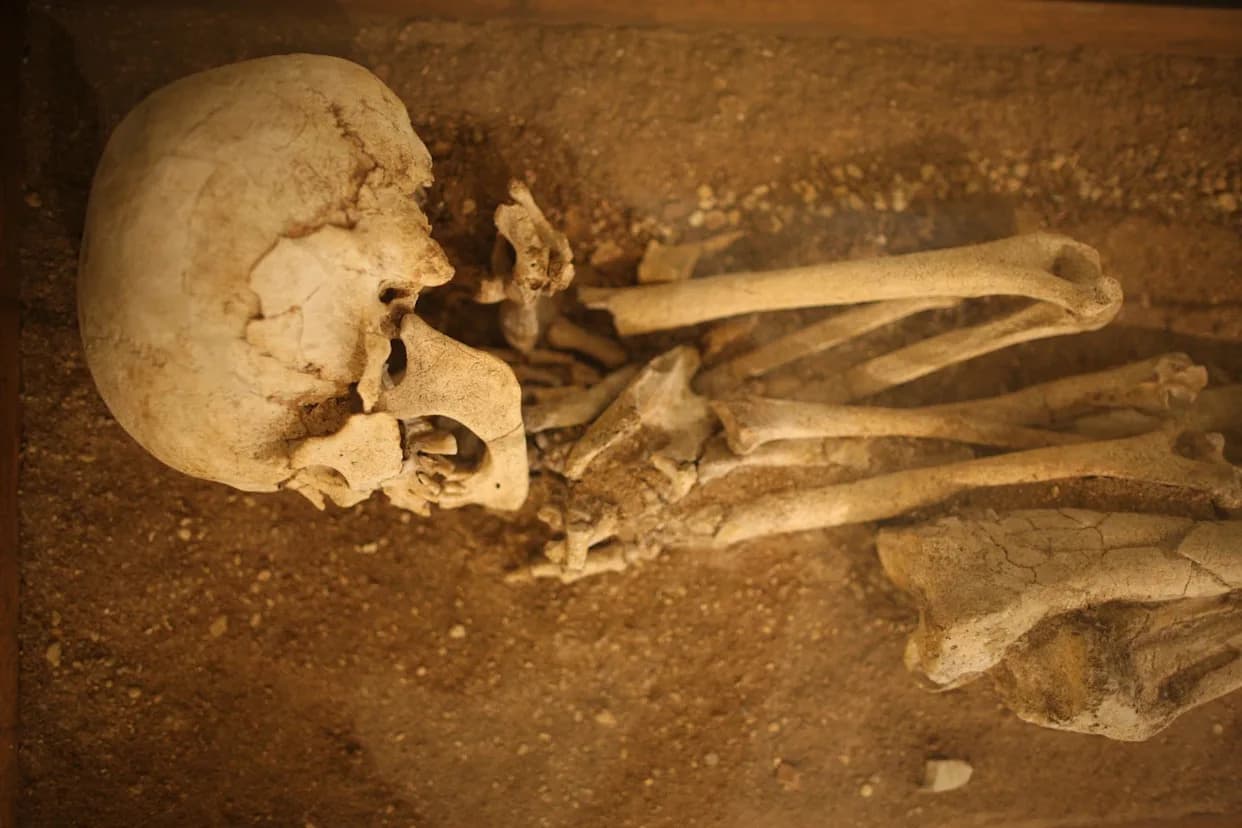
Planning officers concluded the application site lies wholly within a scheduled ancient monument that includes an Anglo‑Saxon cemetery and a medieval manorial centre with fishponds and part of an open field system adjacent to St Peter's Church. They said the proposal was not accompanied by an appropriate investigatory evaluation to assess the impact on archaeological significance.
Heritage and wildlife concerns
Conservation officers also objected because of the proposed building's proximity to the Grade I listed church. Separately, ecological officers raised concerns about the potential for harming bats: the application involved removing walls and a roof of an existing structure within the Bradford Bat Alert Zone but did not include a site-specific, up‑to‑date Preliminary Bat Roost Assessment carried out by a qualified ecologist.
Decision and next steps
For these reasons — archaeology, heritage sensitivity and ecological risk, together with the lack of necessary specialist reports — planning officers refused the application. The decision makes clear that further investigatory work and appropriate ecological assessments would be required before a similar proposal could be reconsidered.
Local residents had supported the aims of the project, which sought to provide practical social activities to help combat loneliness, but planners must balance community benefits against the need to protect important historic and natural assets.
Source: Local reporting via the Local Democracy Reporting Service and Bradford Council planning officers.
Help us improve.