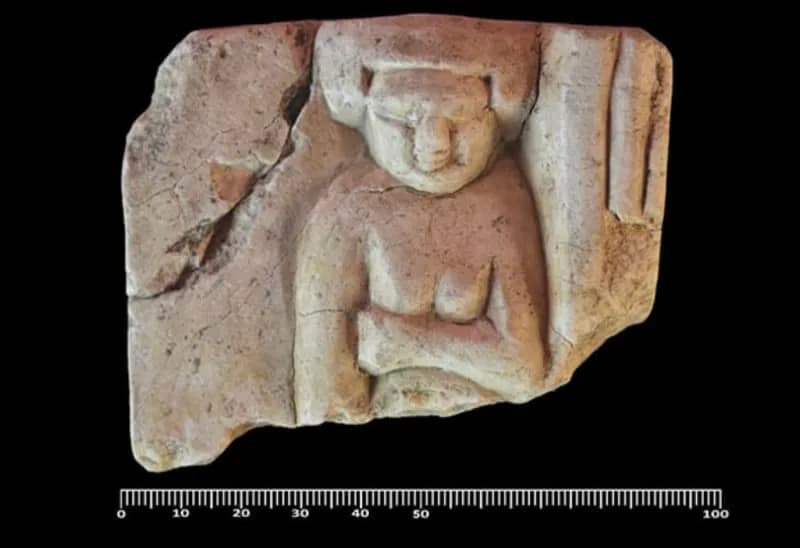
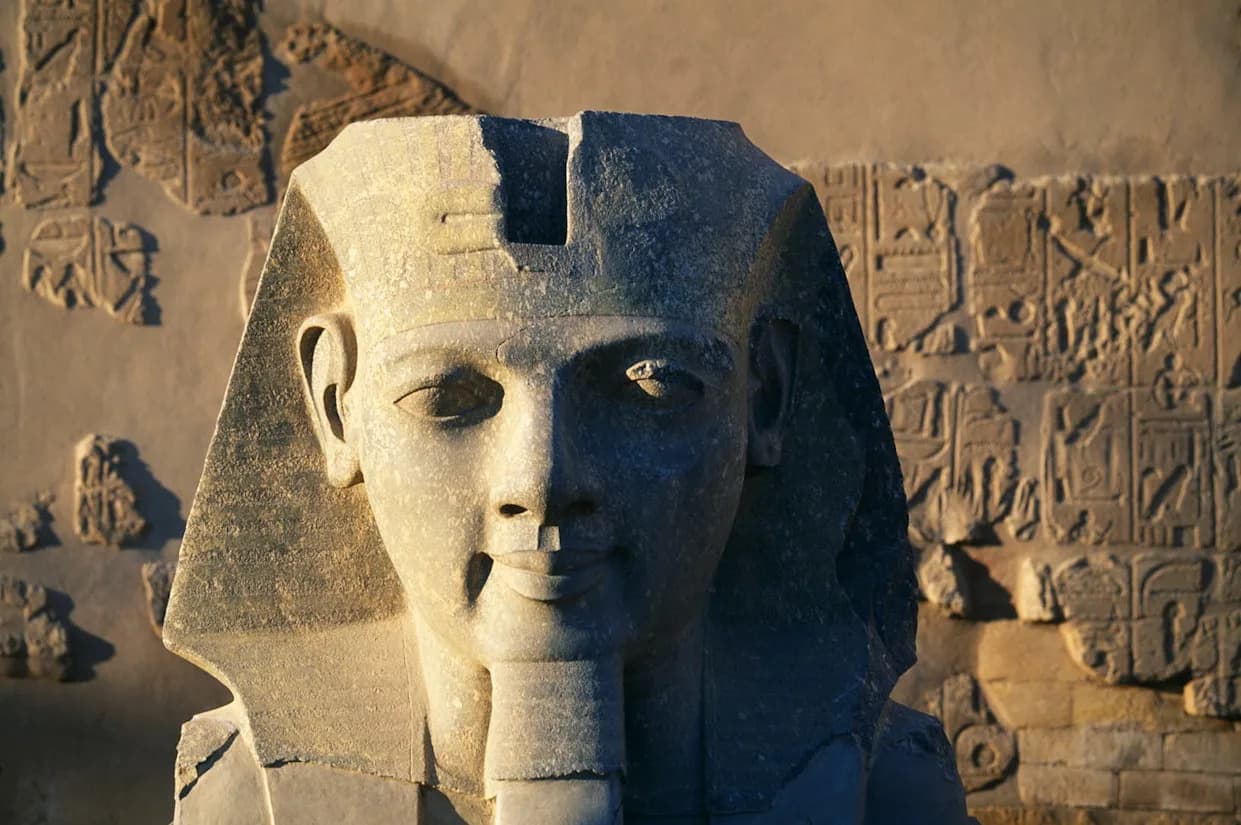
Archaeologists in Sohag province have unearthed a buried Byzantine-era monastery that includes a 46x32 ft church, residential halls and communal dining areas, along with artifacts up to 1,400 years old. Excavations reveal mudbrick buildings, vaulted apses, tiled floors, and installations likely used for water storage or industrial processing. Amphorae and limestone ostraca bearing Coptic inscriptions were recovered, offering new clues about monastic life between about 330 and 641 C.E. Officials say the site deepens historical understanding and could become a cultural tourism attraction.
Lost Byzantine Monastery Unearthed in Sohag — 1,400-Year-Old Complex Reveals Daily Monastic Life
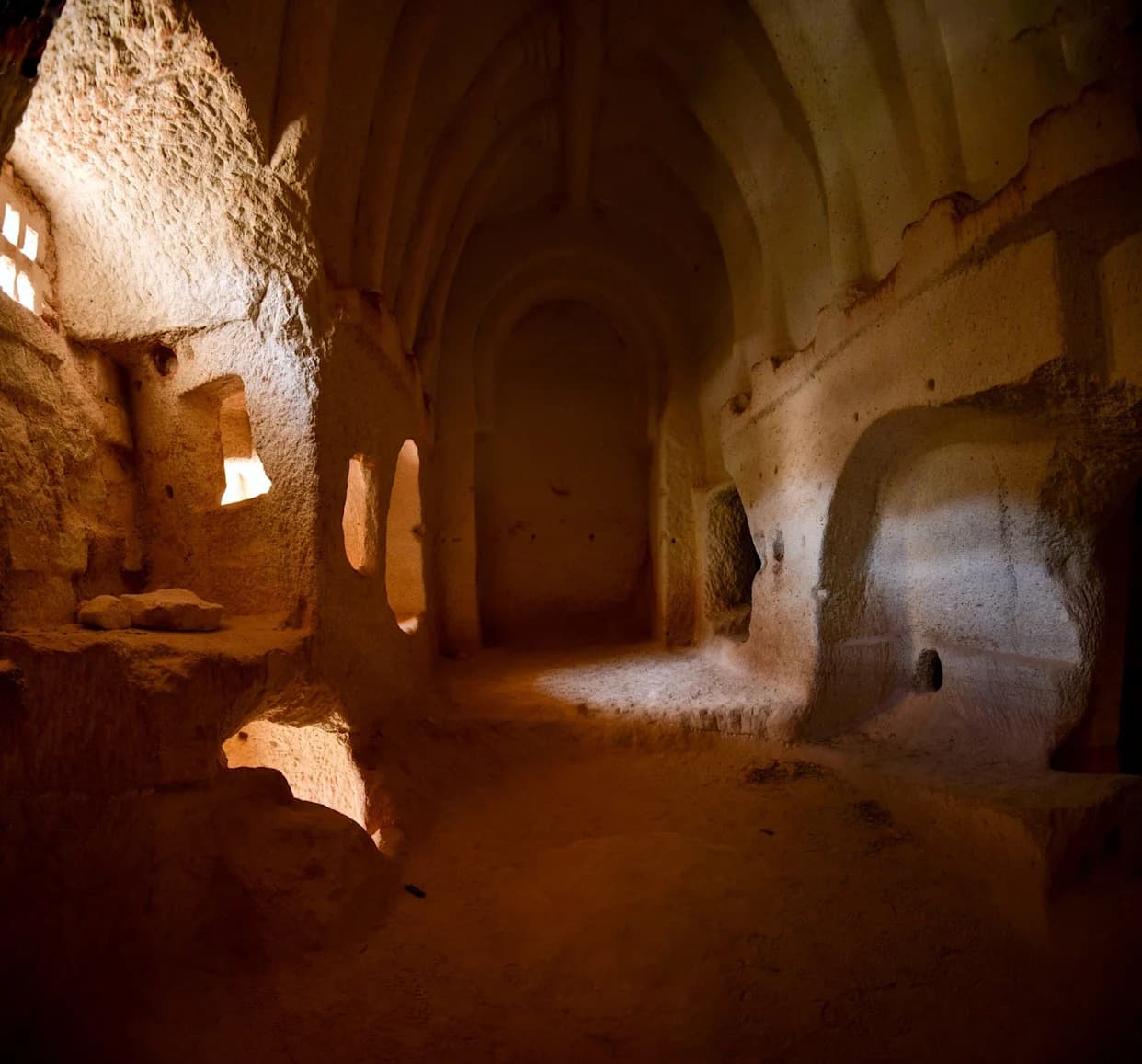
Archaeologists Found a Lost Desert MonasteryMichele D'Amico supersky77 - Getty Images
Archaeologists working in the desert of Upper Egypt's Sohag province have uncovered a remarkably well-preserved Byzantine-era monastery buried beneath the sand, revealing a complex of buildings and artifacts that date back as much as 1,400 years.
An Entire Monastic Complex
Far from a single ruin, the site is an integrated monastic residential complex that includes a church, living quarters, communal dining spaces and a variety of mudbrick constructions, officials from Egypt's Ministry of Tourism and Antiquities and the Supreme Council of Antiquities reported.
What the Excavation Revealed
Excavators exposed mudbrick buildings aligned on an east–west axis, with individual structures ranging from approximately 23 ft by 26 ft to 46 ft by 26 ft. A large 46-by-32-foot mudbrick building is thought to have served as the main church. Its layout shows three principal sections typical of Coptic church design: a sanctuary nave, an area for the choir, and apses on both sides. Mudbrick pillars in the nave suggest a central dome once spanned the main sanctuary.
Some buildings include rectangular halls topped by a semicircular vaulted apse on the eastern end, and numerous small brick-vaulted alcoves that likely functioned as private devotional retreats for individual monks. Trusses, wall beams and surviving layers of wall and floor tiling point to substantial, long-lived structures. Several southern entrances open onto the remains of small circular constructions that may have been communal dining areas.
Evidence of Practical and Industrial Activity
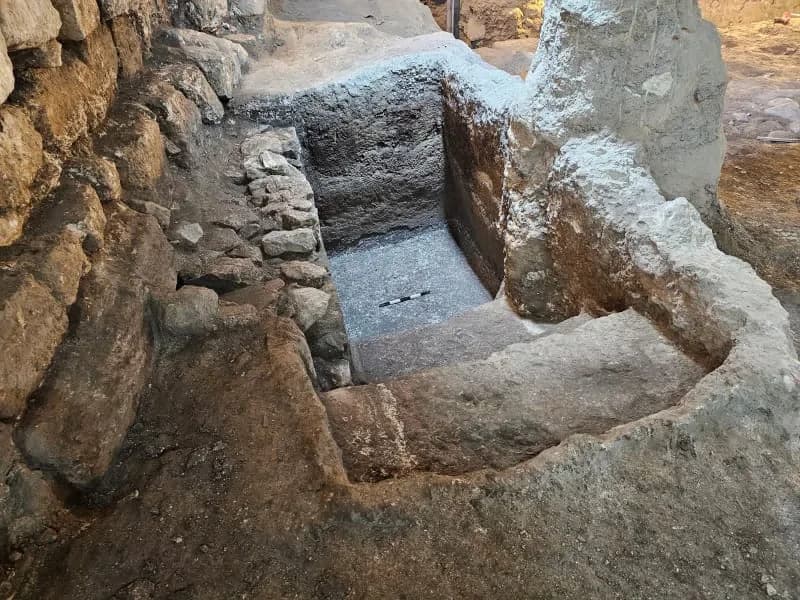
Excavators also exposed installations made of red brick with limestone-plastered basins covered by red tiles for waterproofing. These basins were probably used for water storage or for industrial processing of materials on site.
Artifacts and Written Remains
Numerous artifacts were recovered, including amphorae used for storage. Some amphorae bear inscriptions in Coptic letters, numbers or names that could indicate contents or ownership. Fragments of limestone ostraca inscribed in Coptic were also found; these may contain administrative notes, architectural annotations or other practical records from the community.
Mohamed Ismail Khaled, secretary general of the Supreme Council of Antiquities, said the discovery adds new evidence about monastic life in Upper Egypt during the Byzantine era and helps illustrate patterns of settlement and everyday living.
Significance and Future Potential
Dating from roughly the late Roman period into the early medieval era (about 330 C.E. to the Arab conquest in 641 C.E.), the complex offers fresh insight into how Christian monastic communities lived, worshiped and worked in the Nile Valley. Sharif Fathi, Egypt's minister of tourism and antiquities, noted the site's potential both for scholarship and for cultural tourism.
What It Means: The find enriches our understanding of Coptic monastic architecture, daily routines and material culture during a pivotal period of Egyptian history, and it may become an important heritage destination for visitors interested in the history of civilization and faith.
Help us improve.