In Rockwood, Texas, a row of ordinary sheds becomes a remote "telescope farm" each night, revealing hundreds of instruments hosted by Starfront Observatories. Co-founded by Bray Falls 18 months ago, Starfront rents space where clients ship telescopes and operate them online to access much darker skies. A 2023 Science study found light pollution has risen about 10% per year over the last decade, increasing demand for remote observing sites. Users worldwide livestream observations, find faint objects like the "Crown of Thorns" nebula, and reclaim the sense of wonder dark skies provide.
Remote "Telescope Farm" Lets Stargazers Escape Light Pollution and Discover New Skies
From Sheds to Sky Labs: How a Texas Telescope Farm Brings Dark Skies to the World
By day, a row of unassuming sheds on a quiet plot in Rockwood, Texas, looks like little more than storage for farm tools and feed. At nightfall their roofs slide open together to reveal a concealed array of hundreds of telescopes — a remote observatory run by Starfront Observatories, co-founded 18 months ago by amateur astronomer Bray Falls.
Starfront leases bench space to clients who ship their telescopes to the site and operate them remotely over the internet from home. From a distance, users can direct their gear, schedule observations and capture high-quality images without traveling to the property.
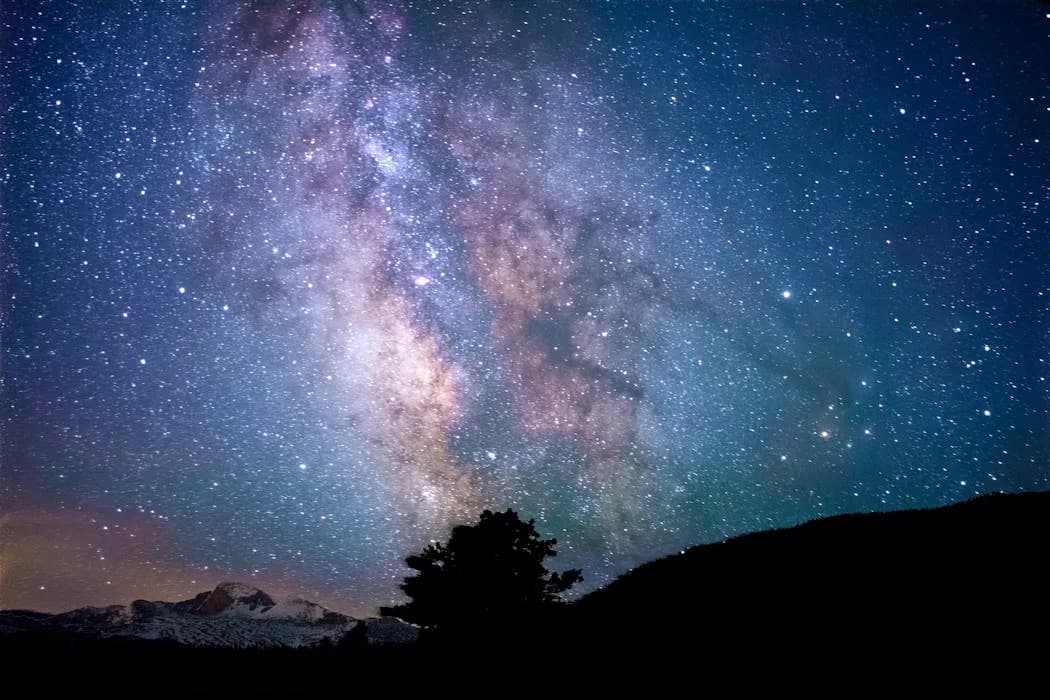
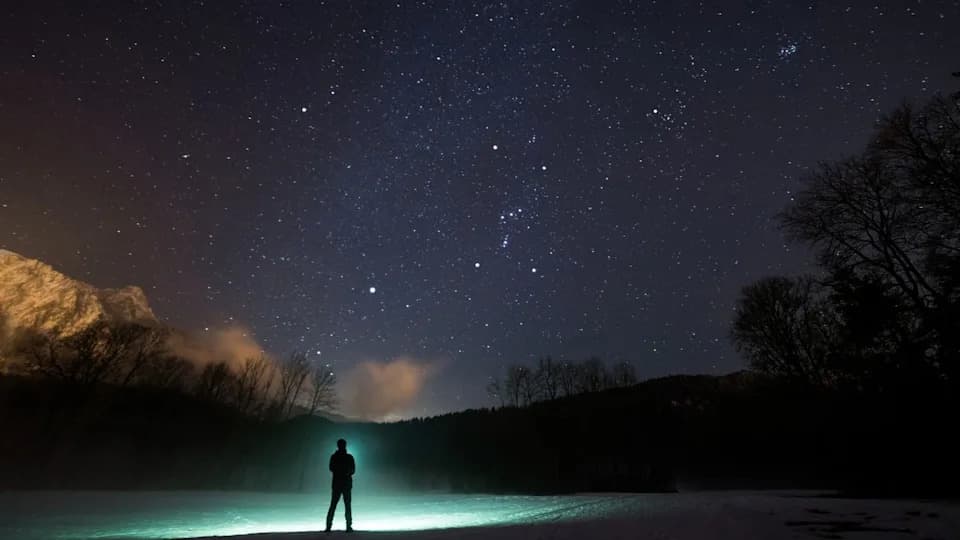
Because Rockwood sits far from major urban lights, its skies are significantly darker than those over many customers' homes. That contrast allows amateur astronomers to produce spectacular photographs they could not obtain locally, addressing one of the hobby's biggest obstacles: light pollution.
A 2023 study published in Science reported roughly a 10% annual increase in light pollution over the past decade, making remote dark-sky sites increasingly valuable to hobbyists and researchers alike.
"It has not gotten old yet. It's so cool, every single time," Falls said, describing the nightly reveal as the sheds open and the instruments come into view.
Starfront's clients come from across the globe, including Europe, Asia and the Middle East. One user, Chuck Ayoub of suburban Detroit, keeps a garage full of telescopes but now hosts one at Starfront because "the dark skies" are unavailable 20 minutes from downtown Detroit. Ayoub livestreams his telescope's view to a large social-media audience and also monitors the instrument with a small camera mounted at its base.
From the Rockwood property, Falls and collaborators are imaging celestial objects that have gone unseen before, including an object he calls the "Crown of Thorns" nebula. These discoveries produce striking images and can contribute to scientific understanding even as human-caused sky brightness steadily increases.
Why it matters: Remote observatories like Starfront democratize access to dark skies, letting anyone with an internet connection pursue the awe of the night sky — even from a city basement.
Help us improve.