UK Research and Innovation has launched an £80m Dementia Challenge to pilot nine diagnostic innovations in NHS settings, aiming to increase diagnoses within 18 weeks from about 60% to 92%. The programme uses a "fail-fast" funding model so only projects that meet milestones receive continued support. Trials include faster MRI scans, a home-based auditory processing test and an AI clinical decision tool to predict disease progression.
UKRI Launches £80m Dementia Challenge to Cut NHS Diagnosis Waits

In 2025
UK Research and Innovation (UKRI) has launched the £80 million Dementia Challenge, a programme that will pilot nine diagnostic innovations across the National Health Service (NHS) to reduce long waits for dementia diagnosis.
Programme Goals
Backed with up to £80m (around $105.7m), the initiative aims to increase the proportion of people receiving a dementia diagnosis within 18 weeks of referral to 92%—up from roughly 60% today, when many patients wait more than a year.
Fail-Fast, Real-World Trials
UKRI is applying a "fail-fast" funding model: projects must meet defined milestones and demonstrate measurable impact to continue receiving support. This approach departs from single, long-term grants and is intended to accelerate delivery of effective solutions and focus ongoing funding on the most promising innovations.
Selected Projects
Nine projects will be tested in NHS settings. Highlights include:
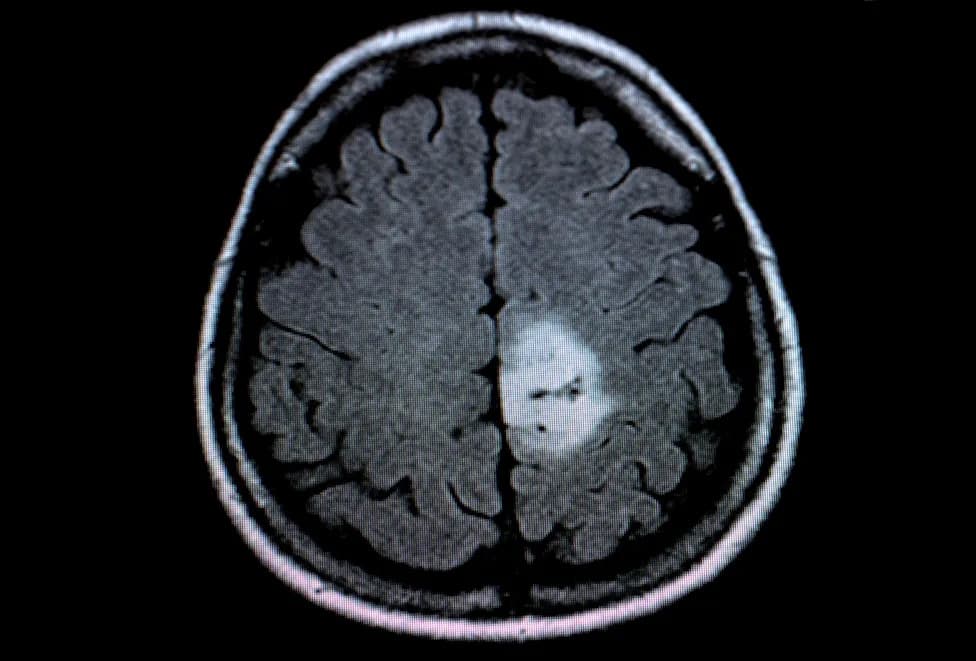
- UCL and the UK Dementia Research Institute: Cutting MRI scan times from about 20 minutes to roughly seven minutes to increase access, lower costs and improve patient experience.
- Queen Mary University of London: A digital diagnostic that assesses how the brain processes sound using a standard home computer and headphones to support earlier detection and remote monitoring.
- University of Cambridge: An AI-based clinical decision support tool that analyses routinely collected data—medical records, cognitive tests and other measures—to predict disease progression for people at risk of dementia.
Why It Matters
Faster, more accurate diagnostics and better prognostic tools could help people living with dementia receive earlier treatment, manage symptoms, and plan for the future. Andy Hill, UKRI health mission challenge director, said:
"By developing better diagnostic and prognostic tools, we can help people living with dementia understand and manage their symptoms, get earlier access to treatment and plan for their futures."
Alzheimer's Research UK reports that dementia causes more deaths in the UK than any other disease, accounting for almost one in eight deaths. In 2025, more than 72,000 people in the UK died from dementia, including Alzheimer's disease. Hilary Evans-Newton, CEO of Alzheimer's Research UK, welcomed the programme:
"Too many families wait more than a year for a dementia diagnosis. This is about changing that, and fast. By testing new technologies and backing only those that work, we can get the best innovations into the NHS far sooner."
The Dementia Challenge aims to quickly identify which innovations deliver clinical benefit and can be scaled across the NHS, shortening diagnostic waits and directing public investment to solutions that work. The programme was originally reported by Medical Device Network (a GlobalData brand).
Help us improve.